
Tekijä: Sonja Holappa
Integrating through Simulation – Boss Fight in English Communication Class 💥
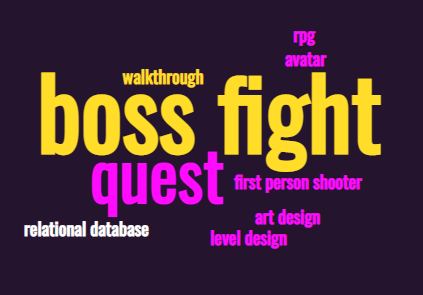
Close your eyes and imagine a group of people having a team meeting to kick-off a game development project. A glance at the meeting agenda reveals items such as assigning a project manager, discussing the different skills and roles needed for the project and brainstorming on an initial game idea. For the game idea, you hear someone mentioning a 2D platformer with a boss fight. Now imagine all this taking place in an English communication class full of engineering students and on an online platform. Is it working, are they learning and are they enjoying it? Yes, yes and yes. In this blog text, I’ll be discussing integrating and simulating English studies successfully into any study module in any discipline by providing an example from a game development study module at Metropolia UAS. Quest for Meaningful and Inspiring Learning Experiences Universities of Applied Sciences are by default focused on project and problem based learning, which means simulating projects and solving problems typical for worklife is at the center of most learning. This approach has a solid foundation in research, which claims that students (and teachers!) are more motivated and learn more in integrated and simulated learning contexts (see e.g. Loepp 1999; Terenzini 2020). Integrating subjects is not a new idea and several well-established models, such as the interdisciplinary model or the problem-based model, exist for different types of contexts and school levels (Loepp 1999). Well-executed integration is not something to be taken for granted despite following a model, but typically requires strong personal commitment and dedication from the individual teachers involved. In Metropolia University of Applied Sciences, game development (Metropolia, 2021) is one of the four 15cu study modules, aka themes, IT engineering students complete during their first year of studies. Game development was considered an important theme as Finnish gaming companies are attractive employers for IT students, thanks to the success of Rovio and Supercell to mention a few. The current game development theme has been designed to include the following courses/topics: C# object oriented programming Basics of relational databases Game development tools and project implementation Communication in English and development of presentation skills Concept of StartUp business model Basics of Mathematics and Physics. When the gaming theme was first created in connection with a curriculum revision 7 years ago, a great amount of work by the teachers went into integrating the different subjects into a gaming project. It wasn’t a very structured and formal process, but looking back now we managed to address many of the questions suggested by best practice to arrive at a meaningful and inspiring entity, which is work-life oriented. Key Questions to Answer As listed by Steamedu (2021), some of the key questions that merit close attention when creating a module are: Why is this module needed? What is the purpose/goals of the module? What is the content of the module? What is the expected result? What kind of module is this? (e.g. exploratory, design, expressive, project based, combination etc.) When will the activities of the module take place, what is the time frame? Where does the module take place? In which learning environments? What tools are needed to successfully complete the module? E.g. equipment, tools, materials, financial resources, technology, online tools, books, human resources, etc. How is the module evaluated for module quality and outcome, learning outcomes, effectiveness of project methods What are the risks associated with the module? Answering these questions and planning the theme further made me realize it would be possible to engage in true integration and I remember the excitement and inspiration I felt right from the very beginning. The excitement hasn’t faded either. Working together with the other teachers on this integrated module has been highly rewarding all these years. The module has also been developed further every year in the spirit of continuous development and I personally feel I’ve managed to create a course structure and content I’m truly satisfied with as the course additionally simulates work-life as closely as possible. Course Walkthrough My focus in the latter part of this text is on providing my readers a walkthrough on how English communication was integrated into the game development theme through the gaming project where students develop a game in teams in 8 weeks only, and how the English communication part has developed just recently. I will share my insights with you here for a structured approach to simulating work-life in the classroom, in my case from the communication point of view. For the English course, the early-year course contents were agreed upon with the other English communication teachers involved in the game development module. From the start, it was clear we would let the students work on their projects in class in English, with them using the skills and knowledge they had acquired in their other game development courses, for example programming, taught in Finnish. The only subjects in the gaming module, which proved to have no real common ground for integration with the English course, were math and physics. Other components of the English class included for instance project communication skills, presentation skills, reporting skills and making CV’s in English. All of these centered on teaching how to communicate about the gaming project at the final seminar organized at the end of the 8-week project. An example of animated presentation slides by one team from this fall is found here. (Blatter et al. 2021). Towards True Simulation Later, my own classes started to evolve even more towards simulating work life in game development. The four specific questions I asked myself when continuously developing the structure and content of my classes are shown below. These questions are of course applicable for any job in any field by just changing the term game developer with a different job. What is a typical work day in the life of a game developer? Which aspects of this work can be easily simulated in my class? Which aspects need modifying in order to work in my class? And most importantly, how can I make the students come to class and start working without the necessity of a lengthy teacher briefing first? I felt this was significant mainly because this is how most work takes place: people come to work and start working without anybody telling them every time what to do. To come up with answers to my questions I went looking for a precise answer to my first question by googling “What does a typical work day look like for a game developer?” Naturally, I got several hits and this is for instance what gaming industry expert Jason W. Bay (2016) has to say about it in his podcast aimed at wannabe game developers: Once everybody is in the office, it’s pretty common to have a team meeting, especially for studios that use Scrum as a development method. Teams will usually have a morning stand-up meeting to talk about what they accomplished the day before, what they’re going to accomplish today, and discuss any problems that might be blocking their progress. After that, everybody goes back to their desks to handle email, plan their day, and get to work. Most of the day is spent doing the core part of the job. Artists will spend that time planning and creating the game art. Programmers will spend the time writing and debugging source code. Designers might spend it by writing documentation or putting together game levels and so on. Current Course Core Based on this description and working out answers to my questions 2 and 3 to modify the required parts, my course (in Zoom due to the pandemic) is currently built around team meetings at the beginning of classes where the students plan what they’re going to accomplish that day and who needs to do what. They then go on to work, alone or together, on the tasks they specified and before class is over, get together with their team to discuss progress made and any problems they encountered. If a solution was found, they spend some time advising each other on how to avoid similar problems. The game-related tasks can be anything from coding and art design to building relational databases. As the very last thing in every class, students share their progress with the class, in brief, by showing their Trello or Microsoft planner which they use to manage their whole project in a visually pleasing way in one platform, available to all team members at all times. Classroom Turned into Workplace My question number 4 got solved by adopting this repetitive way of working through team meetings, as I am now able to have students come to class and know exactly what to do completely on their own. What’s more, they are using the IT and other skills they’ve learnt in courses taught by other teachers in the module, but now communicating about them in English in order to work on their projects. To me, this way of working is as close as it gets to integrating courses and simulating real life gaming workplaces. Since the course contents continue to feature presentation skills, reporting skills and such as before, I obviously spend class time on teaching these skills, but in each class actual work on the tasks, whether game related or communication skills related, starts by having a meeting and deciding on which tasks to work on that particular day. Challenges Two challenges remain for this type of integration: In the ideal situation, all students would work on all aspects of the gaming project, but in practice one student tends to work on coding, another one on game art and yet another on something else, according to their personal skills. This of course emulates work-life in gaming in a great way, but is not the best way in terms of learning purposes, which would require all students spend time working on coding, for instance. Monitoring what students are doing during class is difficult in Zoom, even though it is possible to visit the breakout rooms. This is mainly because students spend a great amount of time also watching tutorials and looking for information online. This means there might be total silence in the room when I go there. In the classroom, it is easier to see at one glance what is going on with different teams. This is why I recommend contact lessons for this type of activity. In my experience, and despite the challenges, the best way to increase the level of motivation and inspiration of teachers and students alike is by integration and simulation. It makes learning (and teaching!) fun and exciting, just like playing a game. Today, all this is easier than ever thanks to advances in digital technology. Wanna play? References Bay J. 2016. What is a typical day in the life of a video game developer? Blatter J., Oksanen S., Virtanen R. 2021. Final Presentation (Google slides) Loepp F. 1999. Models of Curriculum Integration. Metropolia. 2021. Study Guide. Information and Communication Technology. Game Development. (in Finnish) Steamedu. 2021. GUIDELINES FOR INTEGRATING DIFFERENT SUBJECTS Terenzini P. 2020. Six characteristics that promote student learning (opinion)
”Ammattimaista ja nokkelaa, olen todella vaikuttunut!” – Positiivisen pedagogiikan voima

Opiskelijan onnistuminen saa opettajan sydämen sykkimään! Opettajan kannalta mikään ei ole niin hienoa kuin opiskelija, joka on oppinut tunnistamaan vahvuuksiaan eikä anna heikkouksien estää yrittämistä. Mutta miten edesauttaa sitä, että jokainen saa kokea onnistumisia? Keinoja on monia, mutta tärkein niistä on asettaa niiden edesauttaminen tietoiseksi tavoitteeksi. Alla muutama sananen taustaksi. Yksi Metropolian (2021) keskeinen tavoite on laadukas opetus ja oppiminen, jonka saavuttamiseksi monen asian pitää osua kohdalleen. Puhutaan muun muassa opettajan yleisestä kyvykkyydestä, digiajan teknologioiden hallinnasta ja niiden oppimista edistävästä hyödyntämisestä, oppimista tukevan ja osallistavan vuorovaikutuksen luomisesta, oppimisen reflektoinnista kuin myös palautteen antamisesta puolin ja toisin jatkuvan kehityksen varmistamiseksi. Näistä asioista on Metropoliassa innostavasti ja kattavasti kirjoittanut Mari Virtanen ja esimerkiksi kannattelevasta ohjauksesta Eveliina Korpela (2021). Tämä teksti keskittyy laadukkaan opetuksen ja oppimisen yhteen tärkeään osa-alueeseen: onnistumisen kokemusten tuottamiseen kaikille opiskelijoille johtotähtenä positiivinen pedagogiikka. Positiivinen pedagogiikka Positiivinen pedagogiikka voidaan määritellä monin tavoin, mutta lyhyesti ilmaistuna positiivinen pedagogiikka keskittyy hyvään ja kannustavuuteen ja siksi se saa meissä olevan potentiaalin esiin. Suomessa yksi positiivisen pedagogiikan puolestapuhujia on Kaisa Vuorinen, itsekin opettaja. Kun ihmisen potentiaali realisoituu, siitä syntyy positiivisia ketjureaktioita niin yksilössä itsessään kuin ihmisten välilläkin (Kaisa Vuorinen 2021). Positiivinen pedagogiikka on sukua positiiviselle psykologialle, joka keskittyy niin yksilön kuin yhteisöjen hyvinvointiin, vahvuuksiin ja voimavaroihin ja näiden edistämiseen. Tavoitteena ei ole vain selvitä, vaan kukoistaa. Monet psykologit ja yritysvalmentajat ympäri maailman vannovat positiivisen psykologian nimeen, sillä tutkimukset osoittavat, että yksilöt ja yhteisöt kukoistavat positiivisessa ja kannustavassa ilmapiirissä (katso Seligman 2011, Saarinen 2021, Fischer 2012, Leppänen ja Rauhala 2012, Martela 2014). Kuka opettajasi sai sinut onnistumaan? Meillä kaikilla on luultavasti – ja toivottavasti – muisto opettajasta, joka sai meistä parhaamme esiin. Joku opettajamme, oli se sitten millä kouluasteella tahansa, näki meissä jotain kehumisen arvoista, antoi kannustavaa palautetta, ohjasi oikealle polulle ja sai meidät uskomaan itseemme. Muistatko kuka hän oli? Omalla kohdallani tuo opettaja oli ehkä yllättäenkin ala-asteen voimistelumaikka, joka tunnisti liikunnallisuuteni ja sai minut innostumaan telinevoimistelusta. Onnistumiset voimistelun parissa tuottivat hyvää oloa ja saivat uskomaan itseeni myös muilla oppimisen osa-alueilla. Olin nuorena ujo, mutta voimistelun kautta sain rohkeutta esiintymiseen ja esimerkiksi kouluesitelmien pitämiseen. Tämä kasvatti luottamusta omiin taitoihin ja teki kaikesta myöhemmästä oppimisesta mielekästä ja tavoittelemisen arvoista. Tämän kaiken ymmärsin vasta paljon myöhemmin, kun vuosien päästä pohdin omaa opettajuuttani ja sen kehittämistä opiskelijoiden potentiaalin esiin saamiseksi. 12 hyväksi havaittua tapaa tuottaa onnistumisia Kulunut koronavuosi on saanut minut ja monet muut opettajat ja valmentajat miettimään, miten omia opetusmetodeja voisi entisestään parantaa laadukkaan oppimiskokemuksen takaamiseksi. Alla olevaan listaan olen kerännyt käytännössä hyväksi havaitsemiani täsmätoimia tuottaa opiskelijoille onnistumisen kokemuksia ja sitä kautta luoda edellytyksiä uusille onnistumisille ja lopulta mielekkäälle oppimiselle. Moni kohta on varmasti tuttua luettavaa, mutta joukkoon saattaa mahtua myös muutama uusi, kokeilemisen arvoinen ajatus, joita voi helposti soveltaa mihin tahansa opetusalaan. Yksityiskohtaisia esimerkkejä liittyen omaan työhöni löytyy listan alta. Asetan itselleni tietoiseksi tavoitteeksi luoda opiskelijoille onnistumisen kokemuksia. Kurssin alussa, muistan kehua edellisen kurssin opiskelijoita ja heidän saavutuksiaan ja että uskon vastaavaan myös kyseisen kurssin opiskelijoiden kohdalla. Autan opiskelijoita tunnistamaan erityisesti omia vahvuuksiaan. Etsin ja tunnistan kurssin aikana opiskelijoiden vahvuuksia ja myös heissä olevaa potentiaalia. Varmistan, että opiskelijat ymmärtävät, mitä muita taitoja kurssilla arvostetaan substanssiosaamisen lisäksi. Kiitän ja kehun yksittäistä opiskelijaa, ryhmää tai jopa koko luokkaa aina, kun siihen on tilaisuus. Tuon esiin keinoja onnistua paremmin. Kannustan kokeilemaan uusia tapoja oppia tai suorittaa oppimistehtäviä. Analysoin opiskelijoiden kanssa yhdessä optimisuorituksia. Esitän parannusehdotukset hienotunteisesti, usein kysymysmuodossa: Olisiko hyvä laittaa tähän…? Miltä kuulostaisi, jos tekisit tähän vielä…? Kannattaisiko tätä miettiä vielä? Miten saisit esitettyä tämän mahdollisimman selkeästi? Luon uskoa tulevaan ja seuraaviin mahdollisuuksiin onnistua. Kiitän opiskelijoita heidän panoksestaan tuntien lopuksi ja koko opintojakson lopuksi ja kerron, mitä itse opin heiltä. Alla muutama konkreettinen esimerkki työssäni ammatillisen englannin ja viestinnän opettajana. Autan opiskelijoita tunnistamaan erityisesti omia vahvuuksiaan Olen heti kurssin aluksi antanut itseopiskelutehtäväksi äänittää lyhyt YouTube-video, jossa pyydän opiskelijoita kertomaan itsestään vastaamalla muutamaan kysymykseen. Yksi kysymyksistä on ollut: Mitkä ovat vahvuuksiasi? Voit huoletta ja mielellään kehua itseäsi niin paljon kuin haluat. Kerro myös, missä haluaisit olla parempi kuin nyt. Näin olen saanut jokaisesta opiskelijasta hyvää perustietoa ennen kuin olen edes tavannut heitä. Jatkan myös ensimmäisellä tunnilla syvällisemmin tästä aiheesta ja kannustan jokaista huomioimaan aktiivisesti omaa osaamistaan ja sen kehittymistä opintojakson aikana ja myös sen jälkeen opintojen aikana. Varmistan, että opiskelijat ymmärtävät, mitä muita taitoja kurssilla pidetään hyvinä varsinaisen substanssin lisäksi Kielten ollessa kyseessä, opiskelijoilla on usein se väärä käsitys, että vain kieliopin täydellisesti hallitseva voi saada tehtävistä korkeita pisteitä ja kurssiarvosanaksi korkeimman arvosanan 5. Varmistan kurssin alussa, että kaikki ymmärtävät, että ammatillinen kielitaito on paljon muutakin kuin kielioppia ja sanastoa, sillä siihen liittyy paljon erilaisia viestinnällisiä elementtejä. Näitä ovat esimerkiksi hyvät vuorovaikutustaidot, toimiminen tilanteen vaatimalla muodollisuuden tasolla ja tilanteelle tyypillisellä tavalla, kohteliaisuus tai vaikkapa rohkeus ja nokkeluus tietyissä tehtävissä. Tärkeää on ymmärtää, että osoittamalla näitä muita taitoja heikommat osa-alueet jäävät helposti niiden peittoon ja näin syntyy huikeita onnistumisia. Niillä opintojaksoillani, joilla yhtenä aiheena on työpalaverit ja kokoustaminen, onnistumisia tulee kaikille opiskelijoille, vaikka niihin liittyvä arvosteltava kokoustehtävä on sellainen, jonka opiskelijat vetävät ohjeistuksen mukaan täysin itsenäisesti opettajan ainoastaan seuratessa hiljaa sivusta. Onnistuminen johtuu pitkälti siitä, että korostan ohjeissa itse tehtävään keskittymistä, ei siihen, miltä heidän englannin kieli kuulostaa. Erään tällaisen kokouksen jälkeen kehuin jälleen kerran koko ryhmää ja toin esiin kaikkia niitä taitoja, joita he olivat esittäneet. Kerroin heille, että olin todella vaikuttunut siitä, miten todelliselta kokous oli tuntunut. Kaikki iloitsivat onnistumisesta, mutta kaikkein iloisin oli varmasti se opiskelija, jolle kerroin, että kielivirheet eivät haitanneet mitenkään hänen suoriutumistaan, vaan hän toimi erittäin ammattimaisesti, otti tehtävän ja roolinsa tosissaan, haki todellisia ratkaisuja, esitti loistavia kehitysideoita, kysyi muiden mielipiteitä ja kuunteli tarkkaan. Positiivinen palaute sai opiskelijan hehkumaan. Parasta hänen kannaltaan oli varmasti se, että hän sai nähdä aivan konkreettisesti, ettei puutteellinen kielitaito häirinnyt hänen suoritustaan. Varsinkin, kun hän oli ollut vakuuttunut siitä, ettei tulisi onnistumaan tehtävässä ja siksi maanneensa ennen kokousta sohvallaan omien sanojensa mukaan täysin lamaantuneena! Kannustan kokeilemaan uusia tapoja oppia tai suorittaa kurssitehtäviä Useilla kursseillani opiskelijat pitävät valitsemastaan ammatillisesta ja tärkeäksi kokemastaan aiheesta esitelmän tai esimerkiksi jonkin projektin loppuesityksen. Esitelmän pitäminen englanniksi on suurimmalle osalle opiskelijoista todellinen koetinkivi ja siksi olemme yhdessä analysoineet tunnilla netistä löytyviä innostavia ja esitysteknisesti loistavia esitelmiä ja puheita (katso esim. Hyppönen 2011). Olen kannustanut heitä poimimaan tai soveltamaan näistä “superesityksistä” sellaisia elementtejä, jotka sopivat heidän tavalleen kommunikoida. Kaikkein parhaimmat esitelmät ovat syntyneet, kun olen pyytänyt opiskelijoita vielä sisällyttämään esitelmään jonkin nokkelan elementin ja kannustanut käyttämään aikaa ja vaivaa sen keksimiseen. Kevään 2021 Business English -opintojaksolla näimme todella hienoja liiketalouden opiskelijoiden esityksiä ja onnistumisia. Parhaimman onnistumiskokemuksen sai ehkä eräs kielitaidoltaan välttävä ensimmäisen vuoden opiskelija, joka sai lähes täydet pisteet esitelmästään Good atmosphere at work, jossa hän puhui hyvään työilmapiiriin vaikuttavista asioista. Perinteisen bullet point-esitelmän sijaan ja pelkkien faktojen luettelemisen sijaan, hän oli erittäin nokkelasti rakentanut esitysdiat niin, että niillä seikkaili hyvin yksinkertainen tikku-ukko, jonka suupielet liikkuivat diojen vaihtuessa kasvavassa määrin joko ylös tai alaspäin sen mukaan kun hän toi esiin, mitkä asiat vaikuttivat työilmapiiriin myönteisesti tai kielteisesti. Tuo kikka toimi täydellisesti, asian pointti tuli kaikille selväksi, esitys oli ammattimainen ja viihdyttävä ja sai siksi täyden huomiomme ja varauksettoman suosiomme. Olen edelleen vaikuttunut hänen esityksestään ja muistan sen varmasti lopun elämää! Parasta esityksessä oli, että opiskelija ei antanut välttävän kielitaitonsa tulla tehtävässä onnistumisen tielle, vaan lähti rohkeasti pelaamaan vahvuuksillaan ja onnistui niissä täydellisesti. Oli helppoa ja erittäin palkitsevaa itsellekin kehua opiskelijaa vuolaasti, joka sai tästä kokemuksesta palautekeskustelun perusteella aivan uutta virtaa ja uskoa itseensä. “Voit olla ylpeä panoksestasi!” Kun keskitytään hyvään, kannustetaan ja ohjataan opiskelija hänelle sopivalle polulle, tapahtuu hyviä asioita. On kuitenkin melko epärealistista ajatella, että kaikki voisivat onnistua koko ajan, mutta kaikessa ei tarvitsekaan onnistua. Riittää, kun onnistuu hyvin joissain tehtävissä, joka taas on omiaan luomaan positiivista kierrettä ja onnistumisia myöhemmin. Uskon, että kaikki opettajat kehuvat ja kannustavat opiskelijoitaan, mutta kirjoitukseni pointti on piilevän potentiaalin huomaamisessa ja sen houkuttelemisessa esiin systemaattisesti ja johdonmukaisesti. Erityisen tärkeää on suhteuttaa ennakko-odotukset lopputulokseen ja huomata pienikin edistysaskel ääneen kommentoiden. Kun teemme niin, opetusarki kirkastuu ja alkaa kukoistaa tähän tapaan: Saamme keskittyä hyvään ja nähdä sen lisääntyvän. Saamme olla todistamassa, kun opiskelijat onnistuvat ja heidän todellinen potentiaalinsa tulee esille. Saamme huomata positiivisen muutoksen opiskelijoissa. Saamme itse onnistua ja olla osana positiivisia ketjureaktioita. Ja tärkeimpänä kaikesta, saamme nähdä, miten suurta iloa tuntee opiskelija, joka näennäisistä ennakkoasetelmista huolimatta onnistuu! Lähteet Kaisavuorinen.com. 2021. Positiivinen pedagogiikka – kaisavuorinen.com. Fischer, M. 2012. Linkages between employee and customer perceptions in business-to-business services – Towards positively deviant performances. Organisaatioiden ja työpsykologian väitös Aalto-yliopistossa. Hyppönen, M 2011. Fighting viruses, defending the net. (ted.com) Korpela, E. 2021. Kun on tunteet – Kannattelevassa ohjauksessa opiskelijan tunteet tehdään näkyväksi - Hiiltä ja timanttia Leppänen, M. ja Rauhala, I. 2012. Johda ihmistä - Psykologiaa johtajille. Talentum Media. Liettua. Martela, F. 2014 Onnellisuuksien psykologia. Uusitalo-Malmivaara, L. (toim.) Positiivisen psykologian voima. Jyväskylä: Ps-kustannus. Metropolia. 2021. Oppiminen. Oppiminen | Metropolia Saarinen, E. 2021. Filosofia ja systeemiajattelu 2021 luentosarja Aalto-Yliopisto. YouTube. Seligman, M. 2011. Flourish: A visionary new understanding of happiness and well-being. New York: Free press. Virtanen, M. Metropolia blogit. Hiiltä ja timanttia.
Benefits of Systematic Degree Program Design 3/3: Writing Clinics
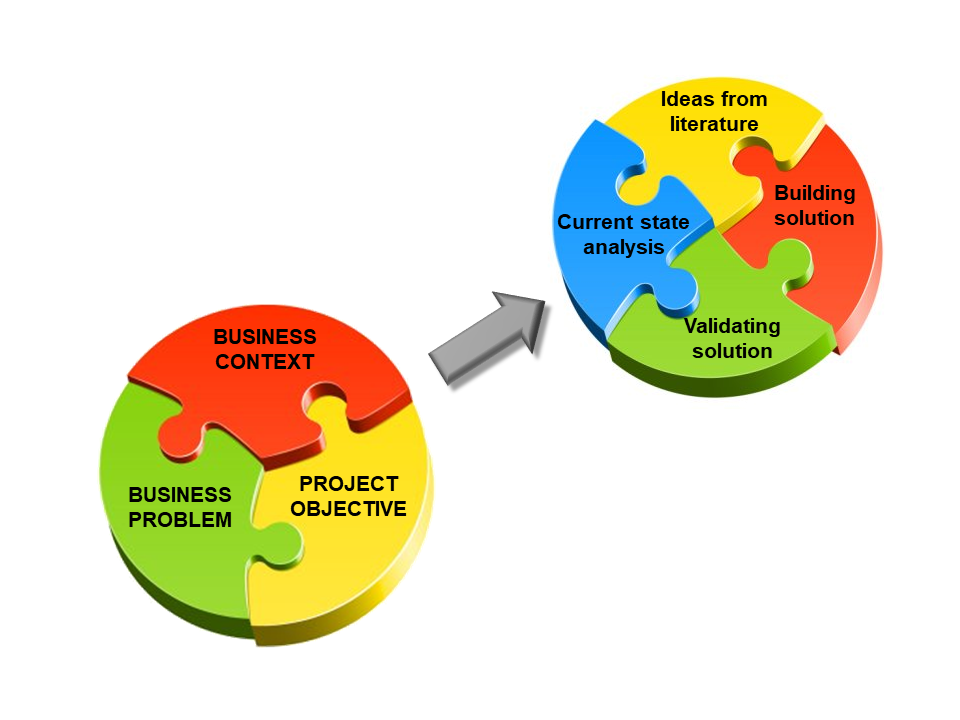
The main aim of this blog series was to share my observations and learnings with instructors interested in adopting scientifically sound, systematic and holistic research and business principles – that produce quality results – into their pedagogical toolbox. The last text in this 3-part series of texts focuses on the benefits of one of the key components for producing the thesis in Metropolia Industrial Management (IM) Master's Program, namely the Writing Clinics. This text explains in detail the concept of the Writing Clinics centered on one-on-one guidance and on the use of the IM Thesis template. The first text dealt with the benefits of the overall IM Master’s degree program design. The second text covered the specific benefits of the GATE model utilized for producing the thesis. The whole program has been built and developed over the years according to Metropolia curriculum and using action research principles (see e.g. Kananen 2013, Saunders et al. 2016) to include the most effective elements from the perspectives of all stakeholders. One such element is the Writing Clinics using the IM Thesis template as a tool. Both are explained below, Writing Clinics first. Why writing clinics? The concept of Writing Clinics is very simple, but efficient. The main idea is for the students to produce text and remain productive during the entire writing process. The clinics consist of: Place: Computer lab (currently Zoom) Time: 12 days once/week in the spring term (Image 1 below) Instruction: Instructor briefings Activity: Students producing text for thesis GATE by GATE Reporting tool: IM Thesis template Instructor support: one-on-one language and thesis process guidance Instructor feedback As far as we know, the concept of Writing Clinics is rather unique to the Metropolia IM Master’s program. Including Writing Clinics in the overall program design is based on recognizing the needs of students, who are typically working full-time during their Master’s studies, for a scheduled time slot in their busy calendars and also the possibility for personal guidance (on needs analysis, see Huhta 2008). Image 1 depicts the schedule for the first two study weeks of January. The Writing Clinics continue until the end of April in the same way, amounting to a total of 12 full days. Naturally, the students write their theses in their own time, as well. It is not obligatory to attend the clinics, but most students opt to do so. The biggest benefit of the Writing Clinics is that the students are likely to be more productive each week than if left completely to their own devices. Based on the feedback we collect from the students each year, there is a real need for the clinics and they appreciate this opportunity. The text submissions take place through the course workspace after each GATE and the students receive feedback on the structure, logic and language of their texts. The level of feedback is more detailed in the beginning in order to benefit the students later with the rest of the text. All online enthusiasts will be happy to know that Zoom is performing surprisingly well for organizing the clinics and in some ways even better than classroom settings. For instance, the breakout room feature is perfect for discussing with individual students without disturbing anyone else. In the Writing Clinics, the IM Thesis template is a central tool. Why thesis template? In higher education, universities typically provide a school specific thesis template for their students. Metropolia UAS is no exception. In general, the idea of the thesis template is to ensure students produce well-structured, uniform reports that follow the academic requirements and specifications of the university and degree program in question. Often, the templates specify the required layout and formatting, but not much else. The IM Master’s program has developed the idea of the thesis template further and made it quite detailed with section-by-section instructions as to general content, structure, logic and even academic reporting English practices. This is done for two main reasons: The GATE model teaching on how to approach the practical business development projects the students carry out in their thesis follows a certain structure and logic described in text 2 and that very same logic should be visible in the report, as well. By following the detailed and quite informative template, the students will not have to waste time on reinventing the wheel again and again, but may concentrate on producing insightful text that is relevant and purposeful in terms of the business challenge they have set out to tackle. Accordingly, the IM Thesis template matches the teaching by the IM team and provides the students with a framework that allows plenty of room for the students’ personal and professional insights. An example of one part of the template is the quite detailed - but still suggestive only - Table of Contents, which is available here as a PDF. It is not meant to be followed slavishly, but to be applied and personalized according to each specific topic and type of project. The benefit of using the rather detailed thesis template is that it reinforces the GATE model teaching on how to carry out a business development project in a well-structured, logical way. By using the template, the IM Master’s students learn the following logic and the importance of triangulated data collection: Scoping the project for business context and objective Making a project plan for research stages and data collection Carrying out a Current State Analysis (CSA) to find out what the problem/s is/are (Data 1, often interviews with people closely involved in in the day-to-day operations regarding the challenge specified in the thesis) Researching best practice to find ideas on how to tackle the problems revealed by the CSA Building an initial solution based on the specific problems identified through the CSA and the ideas revealed by the literature research on how to tackle them (Data 2, often workshops with team leaders involving co-creation of the initial solution for the challenge) Validating the initial solution (Data 3, often by presenting the initial solution to decision makers in the case company and getting feedback for making any final modifications) and then presenting the final solution Presenting managerial implications through recommendations or, for instance, next steps For two recent IM Master’s theses following this logic, see Recommendations to Improve the Product Management Process of the Case Company by Palenius (2020) and Recommendations for Improving the Complaint Management Process of a Biotech Case Company by Teye (2020). It’s clear that we evaluate the students mainly on what we have taught them. Therefore the evaluation criteria (enclosed as a PDF) matches the above and includes for instance: Clarity Logic Research skills Grounding Fit between the different thesis sections + Practical relevance and value added = student insight The benefits from the Writing Clinics and the thesis template, particularly for the students, if followed as intended, are thus: Time specifically reserved for writing = Productivity One-on-one immediate support = No time spent on being stuck = Efficiency Detailed instructions = Thesis according to requirements = Excellent thesis Practicing what we preach To use IM language, the ambitious objective of the integrated IM instructor team has been, from the very beginning, to provide the students with a program that uses the most suitable research and business methods and tools to ensure the very best final pedagogical outcome. For the IM team, the expected final outcome is a group of IM Master’s of Engineering graduates who have gained systematic problem solving skills for life and who have produced an IM Master’s thesis they can be proud of and which is intended to further their careers. The UAS Master’s degree meets the European EQF-7 criteria and equals science university Master’s degrees (Opetushallitus/Finnish National Agency for Education 2020). To ensure this kind of program, all of its parts have been carefully designed to feed on each other, and therefore the GATE model teaching is complemented by one-on-one Research Clinics and implemented in practice in the Writing Clinics by utilizing the IM Thesis template to help produce the thesis. This model is highly applicable to other disciplines, as well. I have not discussed Research Clinics in any of my blog texts as I am not personally involved in them. They are, however, an integral part of the program. This is where the students meet one-on-one with their designated thesis instructor, practically speaking as many times as they wish, to discuss the ins and outs of their thesis for content, structure, logic and business insights. According to student feedback, these meetings with the thesis instructors are the salt of the thesis process. To finish off this blog series, I would like to leave you with the following thought from one member of the IM team, Dr James Collins, on the role of the IM team: Even though the students’ business projects are highly practical, our job is to underline the importance of engaging our students in evidence-based research as opposed to “shooting from the hip”. Evidence-based research is achieved by guiding the students through the process by providing them with the structure, methods and tools they need to perform in the intended way. If this kind of degree program design described in the three texts sounds like something that could be used in your context, can you perhaps see yourself improving on it? References Finnish National Agency for Education.( 2020). Qualifications frameworks | Finnish National Agency for Education. Huhta, M. (2010). Language and Communication for Professional Purposes: Needs Analysis Methods in Industry and Business and their Yield to Stakeholders. Department of Industrial Engineering and Management. Helsinki University of Technology. Kananen, J. (2013). Design research (applied action research) as thesis research: A practical guide for thesis research. Jyväskylä: Jyväskylän ammattikorkeakoulu. Metropolia. (2018). Master's Degree Programme in Industrial Management - Curricula. Opetushallitus. (2020). Tutkintojen viitekehykset. Palenius, J. (2020). Master’s Thesis. Recommendations to Improve the Product Management Process of the Case Company. (Theseus) Saunders, M., Lewis, P. & Thornhill, A. (2016). Research methods for business students. 7th ed. Harlow: Pearson Education. Teye, M. (2020). Master’s Thesis. Recommendations for Improving the Complaint Management Process of a Biotech Case Company. (Theseus)
Benefits of Systematic Degree Program Design 2/3: The GATE model
Text 2 in this 3-part series of texts focuses on the benefits of the GATE model utilized in Metropolia Industrial Management (IM) Master's Program for producing the thesis. The model is also used in the IM Bachelor level thesis process. The model centers on a structured thesis process for teaching the methodology and research skills needed for carrying out a business project for a case company and producing the thesis. The first text dealt with the benefits of the overall degree program, which is designed to make each component work in favor of the students and the projects they have undertaken to complete in one academic year. Text 3 will take a closer look at the specific benefits of one key component of the GATE model, i.e. the Writing Clinics providing one-on-one guidance and using the IM Thesis template as a key tool. The main aim of this blog series is to share my observations and learnings with instructors interested in adopting scientifically sound, systematic and holistic research and business principles – that produce quality results – into their pedagogical toolbox. Moreover, to quote Dr. Juha Haimala, the Head of IM Degree Program, “the principles are highly applicable to any real business case, not merely higher education Master’s studies.” Components of GATE Model The Metropolia IM Master’s thesis is typically a real-life, practical development project carried out for the Master’s student’s employer organization. To tackle the development project, the Master’s Thesis GATE model is based on the idea of dividing the thesis process into 7 well-defined and logical stages called GATES that help the students put together the thesis chapters one by one. The 7 GATEs and their corresponding thesis chapters are shown in Table 1: Table 1. The seven gates and corresponding thesis chapters. Number of Gate Content of Gate Corresponding thesis chapter 1 Scoping Introduction 2 Project planning Methods and Materials 3 Current State Analysis Current State Analysis on Case Company Problem x 4 Literature Conceptual Framework on Thesis topic x 5 Solution development Initial Proposal for Problem x 6 Validating solution Validation of Initial Proposal 7 Putting it together Conclusions The names of the thesis chapters naturally vary somewhat between students but the above provides a middle-of-the-road idea of what the headings of the main chapters could look like. Image 1 further down in the text depicts the entire GATE model in detail, but first a quick reminder is perhaps needed of what an individual Gate is. GATE = Instructor Input and Student Output As described briefly in Text 1 of this series, a GATE is a preparation to allow the student to create one key component of the Master’s Thesis at a time, ensuring timely completion. Each of the 7 GATES includes both instructor input and student output and consists of five elements A-E, as illustrated in Table 2: Table 2. What is a GATE? GATE Instructor input A-C GATE Student output D-E A. Focused methodology class (Applied Research and Development Skills) B. Research clinic: one-on-one meeting with thesis supervisor C. Writing Clinic: one-on-one guidance with language supervisor D. GATE presentation in class E. GATE text delivery The 7-gate model has its foundation in the Gate model developed originally by Robert Cooper (2008), Professor of marketing, for new product innovation and development. In Cooper’s model new products go through various stages and steps from idea to launch and the ultimate objective is to achieve improved cycle times and commercially successful final products. For the Master’s Thesis GATE model, the ultimate objective is to help the Master’s students carry out a real-life, highly practical development project for their employer organization that provides evidence-based solutions to enable management level decision making. This is done by following a scientifically sound (see e.g. Reimann, Järvinen 2007) thesis process the outcome of which is the triangulated thesis report that meets Metropolia criteria. Image 1 illustrates in detail the 7 Master’s thesis GATEs, which are explained in detail below the Image. The top row of boxes in Image 1 indicates the Instructor input for each GATE, namely GATE teaching and clinics with one-on-one supervision. The second row of boxes illustrates the GATE names. The white boxes in the middle describe the focus of each GATE and below the white boxes are the outcomes for each GATE. The boxes at the bottom indicate Student output for each GATE, namely GATE presentation and GATE text delivery. The text in red in Image 1 indicates the triangulated data collection points, i.e. data collected at three different stages of the thesis process and (often) from three different sets of stakeholders. Since the Metropolia IM Master’s thesis is a real-life, practical development project, the idea in GATE 1 is to first introduce the business context and the problem in the employer organization and then formulate the objective for the thesis. This becomes the first chapter of the thesis report: Introduction. GATE 2 defines the steps needed to reach the objective and describes the data collection and analysis plan, with Research Design as outcome. This becomes chapter 2 of the thesis report: Methods and Material. As shown by the black arrows in Image 1, the order of GATEs 3 and 4 is interchangeable, depending on what the best approach for solving the thesis problem is. For clarity’s sake, let’s follow the order shown in Image 1. GATE 3 is then the current state analysis where data is collected for the first time, typically through interviews (DATA 1), followed by an in-depth analysis of the situation and problem at hand. As an outcome, the analysis typically reveals both strengths and weaknesses related to the situation. From the weaknesses thus identified, the student typically selects one or several crucial weaknesses for tackling in order to develop a solution. This becomes chapter 3 of the report: Current State Analysis on case company problem x. GATE 4 is about problem-focused search in relevant literature for ideas, tools and practices to tackle the weaknesses and help reach the objective. The outcome is the conceptual framework, and the thesis chapter is often also called Conceptual Framework on thesis topic x. GATE 5 is for collecting data for the second time (DATA 2) and for building a co-created initial proposal to tackle the problem, often through workshops in the employer organization. The initial proposal is based on the objective, the strengths and weaknesses revealed by the current state analysis and best practice suggested by relevant literature. The thesis chapter is called Initial Proposal for problem x. GATE 6 is the third data collection point (DATA 3). Here, the initial proposal is validated, i.e. piloted, tested or feedback is given by for example management-level stakeholders. The outcome is the validated solution, typically with slight fine-tunings to the initial proposal. The corresponding thesis chapter is Validation of Initial Proposal. GATE 7 is where all the different parts of the report are put together, including abstract, appendices, reference list and such. The last thesis chapter is called Conclusions and it provides an executive summary of the thesis and an evaluation of the trustworthiness of the thesis project. Once the thesis project and the report is complete, the students give their final GATE presentations, which have been built up ever since the first GATE. Benefits of GATE model Text 1 listed many benefits (such as on-time graduation) of the overall degree programme design for all three stakeholders, i.e. Master’s students, Industry and Metropolia. In addition to the benefits mentioned in text 1, we can see the following benefits from utilizing the GATE model: Students well-defined and logical process that is “easy” to understand and adopt clarity of process allows efficient use of time and effort on the actual thesis topic clear and consistent tasks that keep building up to the final presentation and the thesis report gate-by-gate gate-by-gate supervisor feedback helping to stay on track and sharpen message Employer organizations evidence-based solutions to enable management level decision making Faculty clear roles and responsibilities well-defined and logical process that is “easy” to explain scientifically sound process that produces positive results I believe that adding value to each and every class/meeting with the students is the intent of any instructor who is committed to excellence. If this is you, implementing the principles of the GATE model to your professional context is certainly a valuable option as it is easily applicable to other disciplines. Alternatively, can you see this model working in your context slightly modified? This text provided an in-depth look into the IM Master’s thesis Gate model and its benefits. The last text in this series, Text 3, will follow shortly focusing on the specific benefits of the Writing Clinics providing one-on-one guidance and using the IM Thesis template as a key tool. References Cooper, R. (2008). “The Stage-Gate Idea-to-Launch Process–Update, What’s New and NexGen Systems,” in Journal of Product Innovation Management, Volume 25, Number 3, May 2008, pp 213-232 Järvinen, P. (2007). Action research is similar to design science. Quality & Quantity, 41, 37-54. Reimann, P. (2011). Design-Based Research. Methodological Choice and Design, 37-50. Rohweder, T. (2020). Applied Research and Development Skills. Gate 1 Teaching slides. Metropolia University of Applied Sciences. Delivered 18 September, 2020.
Benefits of Systematic Degree Program Design 1/3
This is Text 1 in a 3-part series of texts focusing on the benefits of the Metropolia Industrial Management (IM) Master's Program’s overall design aimed at catering to professionals, often engineers or team leaders, looking to make a career leap from engineering toward management positions. The other two texts will take a closer look at two key components in the program. Text 2 will focus on the benefits of the Gate model utilized in the IM Thesis process and Text 3 on the specific benefits of the Writing Clinics providing one-on-one guidance and using IM Thesis template as a key tool. I have been part of this program for almost 10 years and for the past few years I have been mainly providing language and communication instruction and language guidance during the thesis process. The main aim of this blog series is to share my observations and learnings with instructors interested in adopting scientifically sound, systematic and holistic research and business principles – that produce quality results – into their pedagogical toolbox. Industrial Management Master’s Program The 1-year IM Master’s program is worth 60 cu altogether with one half of the credits earned from the common, specialization and optional courses (blue boxes) and the other half from the Thesis (orange boxes), as shown in Image 1 below. The substance teaching taking place in the fall term includes literature readings on several current management topics such as strategy and leadership, process development, supply chain management and performance management plus students’ specialization related topics. All of these are feeding particularly the theoretical section of the thesis, written and completed in the spring. Importantly, the program has been developed further every year ever since its inception in 2006. The development has been done using action research principles thus ensuring pedagogically and methodologically sound teaching and learning experiences for professional adult learners, for instance through learner empowerment and authenticity of material and activities (see Huhta 2010). Gate Model in Brief In practice, the students complete their studies in 9 months only, from September to May. This is why a systematic 7-Gate model has been designed to ensure timely graduation and a quality final product, i.e. a practical, logical and well-grounded Master’s thesis in Industrial Management. To guarantee a systematic approach to the thesis studies, the program applies key concepts and methods from design research/applied action research (see e.g. Saunders et al. 2016; Kananen 2013) as well as from product innovation and development through the application of a system called the Gate model (see Cooper 2008). Cooper, a Professor of marketing, originally created the gate system for moving new product development projects through the various stages and steps from idea to launch to achieve improved cycle times and commercially successful final products. Cooper’s system consists of gates, each with its own set of metrics and criteria for passing the gates, similar to quality-control checks in production. In the context of the IM Master’s thesis studies, the idea of gates has been harnessed to serve both the thesis instruction and writing process WHAT IS A GATE? As shown in Image 2, it is a preparation to allow the student to create one key component of the Master’s Thesis at a time, from Introduction to Conclusions. Each gate must be completed before moving on to the next Gate. As Image 2 depicts, each Gate consists of Faculty input and student output and needs to be passed before moving to the next Gate. Let’s take Gate 1 as an example: Gate 1 faculty input is about Scoping the thesis project and thus the methodology class focuses on three key points: introducing the business context, identifying practical business problem and setting project objective. The first Gate 1 student output is a simple presentation slide explaining the business context, thesis objective and expected outcome of their thesis project and presenting it in class with immediate feedback from both peers and IM team in order to finetune the logic. The second Gate 1 student output is the Thesis Chapter 1 Introduction. It introduces the thesis topic to the reader from the perspective of the points mentioned above. The Gate model proceeds in this fashion Gate by Gate until Gate 7, which completes the Thesis project. The 7 gates provide a blueprint for successfully producing and completing the different steps in the thesis process resulting in a quality outcome for all stakeholders, i.e. the student, the university and employer organization. The complete Gate model and how design research principles have been implemented to the Gate model will be explained in detail in text 2 of this series. Students At the very center of the IM degree program are the students representing a number of leading industrial companies such as Kone, Outotec, Vaisala, Fortum and ABB, to mention only a few. The students have on average 5-6 years of work experience and so they bring with them their professional expertise for the benefit of all program participants. The students tend to quickly form quite a strong and active peer community of learners thanks to their varied competences and skills. Since the studies have been integrated into real-life, practical business projects from their employer organizations, the students are able to continue working while studying. In this sense, the nature of the IM Master’s program is quite exceptional, if compared for instance with Master’s programs in science universities where the IM Master’s students typically are 20 something students with no or very little industry expertise. Faculty On the faculty side, the three main instructors all have doctorate degrees and decades of work experience in expert and managerial positions in industrial organizations. The common, specialization and optional courses are taught individually by these instructors, whereas the Gate model Thesis instruction is organized around the concept of genuine integration of having all instructors in the IM team present in the classroom, including me as the language expert, with each instructor bringing their own expertise on the table. Teaching and guidance Tuition in the IM Master’s program is in English. In normal circumstances, the courses are heavily centered around contact teaching in the form of interactive lectures and class discussions, but due to the Covid-19 pandemic teaching has recently gone online. However, contact teaching will make a comeback the minute the recommendations for distance studies are removed as face-to-face contact teaching is the heart of the program. Other methods of studying include teamwork, class discussions, business simulations, self-study, workshops and seminars. The soul of the program is the amount of face-to-face consultancy and guidance from faculty members which provides the students with numerous opportunities for receiving individual advice, development and help in their learning process. Instead of exams, the students are given practical assignments that are graded individually. For grading the thesis, the grading committee consisting of the IM team members utilizes a comprehensive set of evaluation criteria as shown in the PDF document behind this link. Benefits in Nutshell The objective of the program design that is continuously developed based on best practise has been all along to produce a truly integrated, inspiring entity that brings value to all stakeholders. The benefits (Rohweder, 2020) of this systematic program design for all stakeholders are significant including: STUDENT On-time graduation Thesis quality Business development concept ”for life” INDUSTRY Professionals with systematic evidence-based problem solving skills METROPOLIA On-time graduating students Thesis quality Positive student feedback This here is obviously a win-win-win situation and the fruit of consistent and systematic development work. This first text provided an overall view of the benefits of systematic program design in Metropolia Industrial Management Master’s Program. Text 2 of this 3-part series will continue from here in October by providing an in-depth look into the Gate model, the brains of the program. Text 3 will follow shortly after focusing on the specific benefits of the Writing Clinics providing one-on-one guidance and using IM Thesis template as a key tool. References Cooper, R. (2008) “The Stage-Gate Idea-to-Launch Process–Update, What’s New and NexGen Systems,” in Journal of Product Innovation Management, Volume 25, Number 3, May 2008, pp 213-232 Haimala, J. (2020). Industrial Management Studies 2020-21. Orientation Day slides. Metropolia University of Applied Sciences. Delivered 10 September, 2020. Huhta, M. (2010). Language and Communication for Professional Purposes: Needs Analysis Methods in Industry and Business and their Yield to Stakeholders. Department of Industrial Engineering and Management. Helsinki University of Technology. Kananen, J. (2013). Design research (applied action research) as thesis research: A practical guide for thesis research. Jyväskylä: Jyväskylän ammattikorkeakoulu Rohweder, T. (2020) Gate 1 Teaching slides. Metropolia University of Applied Sciences. Delivered 18 September, 2020. Saunders, M., Lewis, P. & Thornhill, A. (2016). Research methods for business students. 7th ed. Harlow: Pearson Education.
Digital Baby Steps 3/3: The Corona Leap!
The original idea of this 3-part series on digital baby steps was to encourage UAS teachers, who would like to produce more online teaching material but find it hard to make time for it, to take very simple steps toward this goal. With the COVID-19 pandemic here, it is quite safe to say that we can forget all about baby steps. It might still be worth mentioning that the first part of this series on digital baby steps dealt with learning to make YouTube videos together with the students in an ad hoc manner during their English lesson. The first text introduced a very practical tool called MVP (Minimum Viable Product, see Ries 2011), which was applied to produce the videos, only slightly modified. It meant executing the task, from planning and instructing to doing and finalizing, in a very simple manner requiring “the least effort” in order to save everybody’s time and resources. This tool is more valid than ever in the changed world. The second part on digital baby steps concentrated on transforming classroom teaching material into online material suitable for self-study by the students. The tool used for producing this material was the PDSA cycle (The W. Edwards Deming Institute 2019) often used in cyclical development projects for Planning, Doing, Studying and Acting. Also valid, even today. Now, with the Covid-19 pandemic dictating the terms in universities, the third part of this series focuses on discussing the “lucky” break regarding urgent digitalization of higher education brought about by the nasty Corona virus. Digitalisation vision 2030 The digitalization of education has been a key item in education strategies for many years. In February this year just before the pandemic, all Finnish universities and Universities of Applied Sciences signed a letter of intent whereby they commit to promoting the digitalisation vision 2030 which aims at granting access to all national data pools for both individuals and the society in general thus enabling the development of pedagogy and the revolution of higher education (Arene, 2020 b). According to Arene, The Rectors’ Conference of Finnish Universities of Applied Sciences, persistent development work through the DigiVisio 2030 project is more important than ever in these challenging times. Change Management by Corona A few lines up, I called the current situation a lucky break. The reason for that is that normally the intent to bring about a major change is strong due to expected change resistance. Accordingly, change management theories underline the importance of establishing a sense of urgency to bring about the desired change. In fact, establishing a sense of urgency is the first step in John Kotter’s (1996) famous Eight-Stage Process of Creating a Major Change, shown in the Image below. In Kotter’s book, organizations are even encouraged to take quite radical measures to establish an urgency, even something like creating a crisis by allowing a financial loss or allowing a similar unwanted event to take place within the organization. Image 1 shows the other necessary steps in the 8-stage process including for instance formulating a guiding coalition with decision making power as well as communicating the change vision and finally anchoring the new approaches to the work culture. In a normal situation, implementing all the steps would take a great amount of time and effort. In schools and universities, the Corona virus did, in just a matter of days, what no change management team and supportive action from the University Boards and Department Heads could have achieved in months or even years. Common change resistance factors such as “belief that change is unnecessary” or “fear of personal failure” (see e.g. Yukl 2006) seemingly did not play a role here. The Corona restrictions provided the urgency needed and overrode other obstacles. The Corona Leap At Metropolia UAS, the doors closed on March 18 due to the pandemic and all teaching was moved online in a matter of weeks, if not days. All of a sudden, everyone was using Zoom or Teams for teaching and for meetings with colleagues, individual students or groups. A great amount of studies were completed in Moodle independently and as collaboration projects in the cloud. Students were given tasks to do presentations on Teams or making YouTube videos to present their end of school year projects. Exams went online – even entrance exams (Arene, 2020 a). And, what’s more, everything seems to be working well, at least according to the report published on 27 May 2020 by the Student Union of Metropolia UAS. The report found that the students feel that the transition to distance learning has been successful despite the fast schedule whilst acknowledging that the students’ endurance and study motivation have been put to a tough test. In addition, other studies have been initiated, but we will have to wait until next autumn to obtain some realistic data on the results in the form of credits completed and also in the form of feedback from both students as well as teachers. Action Plan Proposal for Autumn 2020 For many teachers including me, autumn 2020 is going to look very different from the past. We are already preparing for moving all our teaching online so that we will not be caught unprepared should a second wave of Covid-19 take place at some point. Luckily, autumn 2020 will be that much easier to take on, thanks to the Corona leap we had to take this spring. To ensure a smooth and dynamic continuation to the leap we have made, I recommend embracing the following 3-step action plan already now: Take advantage of project tools such as PDSA or similar to systematically create new online material and courses based on experiences and feedback from this spring. Use the concept of MVP in case lack of time is a decisive factor. It’s better to have a pilot version ready, than nothing at all. We need to remember that all work carries hidden rewards, sometimes in very surprising ways. Getting started is key. Make a separate plan for managing your time in the autumn in order to allow for one-on-one online meetings with individual students. This is extremely important if social distancing is reintroduced. Moreover, allowing time for students meeting each other online, in addition to working online together, is extremely important. As change is the only constant in life, let us continue to embrace the digitalization opportunities brought about by the pandemic in the spirit of DigiVisio 2030. It will all be for the good – step by step. This completes the 3-part series on digital baby steps, not one minute too soon :-) References Arene. 2020 a. Ammattikorkeakoulujen valintakoe järjestetään etäkokeena. Arene. 2020 b. Digivisio 2030 -hankesuunnittelu etenee – digitalisaation hyödyntäminen korkeakoulutuksessa nyt entistäkin tärkeämpää Kotter, J. P. 1996. Leading Change. Harvard Business School Press. Metka. 2020. Koronan vaikutukset opiskelijoiden kokemana. (PDF) Ries, E. (2011). The Lean Startup. New York: Random House US. The W. Edwards Deming Institute. (2019). PDSA Cycle. Yukl, G. (2006). Leadership in Organizations. 6th ed. Pearson Prentice Hall.
Digital baby steps 2/3: PowerPoint with audio anyone?

The idea of this 3-part blog post series on Digital Baby Steps is to encourage UAS teachers, who would like to produce more online teaching material but find it hard to make time for it, to take very simple steps toward this goal. The aim is to share with you some of the insights I’ve had in my role as a communication teacher teaching Professional English to mainly ICT and Industrial Management students at Metropolia UAS, whilst advancing on my path toward blended learning. If on the other hand you, my reader, are more into taking giant leaps in the world of online learning, I warmly recommend taking a look at the work of Dr Mari Virtanen on ubiquitous learning environments (Virtanen, 2018). The first part of this series of digital baby steps (Holappa, 2018) dealt with learning to make YouTube videos together with the students in an ad hoc manner during their English lesson. Slightly modified principles of a business concept called MVP (Minimum Viable Product) were applied to carry out the task. In this case, it meant executing the task, from planning and instructing to doing and finalizing, in a very simple manner requiring “the least effort” in order to save everybody’s time and resources. This second part on digital baby steps concentrates on transforming classroom teaching material into online material suitable for self-study by the students. A simple example is given below. Identifying teaching content suitable for self-study In the spring 2019, I spent some time identifying the type of teaching contents of my current English courses that could possibly benefit both the students and me, if put online to be used as self-study material by the students. A significant part of English communication lessons at university level and particularly in universities of applied sciences tends to rely heavily on interactive group exercises performed in class. Similarly, English is often integrated with substance teaching (Kammonen, 2012) which means that English is used as working language particularly in studies carried out as projects. This kind of integration, also called Content and Language Integrated Learning (CLIL), is currently considered best practice and recommended particularly by The Finnish Network for Language Education Policies and many researchers (see for instance Toivanen & Sankila, 2019). It is of course quite clear it would make no sense to turn any of this type of interactive class activity into online self-study. However, some of the work that needs to be carried out especially in projects requires structured and concise report writing skills, for example in the form of Bachelor’s/Master’s theses and abstracts. And even though report writing skills can be taught interactively as well, it is a skill that university level students can learn through self-study quite easily. In fact, the current curriculum at Metropolia contains a prerequisite requirement of B2 for English courses on a six-level scale from A1 to A2, B1, B2, C1 and C2 based on CEFR, the Common European Framework of Reference for Languages (Council of Europe, 2019). The students’ ability to adopt and apply the type of discourse needed for academic report writing through online studies is thus mostly very good. Consequently, writing abstracts was identified as one teaching content suitable for online self-study. For the students, the benefit would be having more freedom in terms of choosing time and place of study. In addition, the teaching would be available as many times as needed. For me, and naturally for the students as well, it would mean that time earlier spent teaching and learning writing skills in the classroom could be used for interactive classwork in the future. Using PDSA cycle for a structured and time-saving approach to create the online self-study material The PDSA cycle (see for instance The W. Edwards Deming Institute, 2019), also known as the Deming cycle, is a business concept that can be well applied to pedagogical contexts. The PDSA cycle is a model used for continuous quality improvement and it contains four repetitive steps of 1. Plan, 2. Do, 3. Study and 4. Act. The PDSA cycle for creating the online self-study material for the students was the following: Step 1: Plan (plan how to do what needs to be done) To plan the online self-study material, I wrote down my requirements including the followin g five, very simple points: Keep it simple and relevant. Make use of existing material. Include audio only for simplicity, no video. Concentrate on being informative (as opposed to being inspirational and motivational). Write down a rough script and accept slight mistakes/hesitation for a natural effect. Step 2: Do (do what needs to be done) To create the material, I first looked into a few options on how to execute the task at hand and decided to go for a PowerPoint presentation with audio, which basically means making the slides plus recording the script to explain the slides. For my existing slides to work more independently, they needed some tweaking as they did not contain very much text. Therefore, I added informative text on each slide and made sure they followed a strict logic. After this, I wrote a simple script for each slide and rehearsed speaking out the slides for a few times. Following a full script would have sounded as if I’m reading from a paper and I wanted to avoid that. For recording the slides, I googled ‘how to make Powerpoint slides with audio” and found plenty of short videos that explained what I needed to do. The presentation ended up having 4 slides only and it is approximately 10 minutes long. Step 3: Study (study outcome by getting feedback) For this step, it would have been good to ask a few colleagues for feedback, but I decided to get the feedback straight from the students to save time. Consequently, I uploaded the self-study assignment to the school learning management system OMA along with very short and simple feedback questions on clarity, usefulness, user-friendliness and length of slide show. Free commenting was also possible. The feedback, which exceeded all my expectations, was excellent as seen below: Scale 1-5, with 5 being the highest Clarity 4.8 Usefulness 4.5 User-friendliness 4.5 Length of slide show 4.7 (“Just Perfect!” “In my opinion, the length was good!”) Surprisingly, the length was not criticized, probably because it was quite clear it couldn’t have been made any shorter. All content was relevant. Similarly, the slides themselves were not criticized. I was expecting the students to recommend adding a talking head, but they didn’t. Instead, this is what they wrote: “I endorse using this format more often.” “I think this method works great.” “A brief but a comprehensive package of easily digestible and very useful content.” Step 4: Act (act on results of step 3 by identifying corrective measures) Based on student feedback, it was clear that no critical corrective measures needed to be taken at this point. This is proof of the PDSA cycle working well in simple tasks like this one – thorough planning seems to yield positive results the first time around. Even though the slides didn’t receive any criticism, I am thinking of making a similar slide show on paraphrasing and making the slides more attractive by following the recommendations by Hannu Turunen in his blog post. To do that, I will go back to Step 1. Plan and then repeat the cycle upto Step 4. Act. Taking baby steps in creating online teaching material using simple methods is a good idea for anyone with limited time resources. Try it out and you will be positively surprised. So the question is… what teaching contents would you like to put online and how? Sources: Council of Europe. 2019. Common European Framework of Reference for Languages (CEFR) Available at: https://www.coe.int/en/web/common-european-framework-reference-languages/table-1-cefr-3.3-common-reference-levels-global-scale Holappa Sonja. 2018. Digital baby steps 1/3. Co-learning with students in the spirit of MVP. Blogpost. Available at: https://blogit.metropolia.fi/hiilta-ja-timanttia/2018/05/21/1437/ Kammonen Leena. 2012. Englannin opetuksen integrointi ammattikorkeakoulussa. Thesis. HAMK The W. Edwards Deming Institute. (2019). PDSA Cycle. Available at: https://deming.org/. Toivanen Kirsi-Marja & Sankila Kaija 2019. The Future is Now – UAS Language Education in Transition. Kieli, koulutus ja yhteiskunta, 10(1). Available at: https://www.kieliverkosto.fi/fi/journals/kieli-koulutus-ja-yhteiskunta-helmikuu-2019/the-future-is-now-uas-language-education-in-transition Turunen Hannu. 2019. Näin teet hyvän PowerPoint-esityksen. Blogikirjoitus. Available at: https://blogit.metropolia.fi/hiilta-ja-timanttia/2019/01/27/nain-teet-hyvan-powerpoint-esityksen/ Virtanen Mari. 2018. The development of ubiquitous 360° learning environment and its effects on students’ satisfaction and histotechnological knowledge. Doctoral dissertation. Available at: http://jultika.oulu.fi/files/isbn9789526218298.pdf
Digital baby steps 1/3: Co-learning with students in the spirit of MVP

A University English and Communication teacher walks into a computer classroom to start a course on Professional English for Nurses. The program for the day’s lesson is obviously ready, but the teacher - frustrated with time issues common to most teachers in keeping updated with the ongoing digital revolution - is toying with an idea of engaging in some ad hoc digital co-learning with the students, in spite of the program. One key digital skill well worth acquiring that the teacher is lacking has to do with making YouTube videos. She assumes the students are very much in a similar situation, despite being representatives of the generation Z. The teacher is not quite sure what she is going to do but she knows exactly how she wants to do it: since her working hours are all already spoken for, it must take place through minimum input in preparation time with maximum expected outcome! As she mulls this over in her head silently, she comes to think of trying out MVP, Minimum Viable Product, a concept well-known to her from teaching English to Industrial Management students. — She decides to go for it — In business contexts, MVP is used to describe that version of a new product a team uses to collect the maximum amount of validated learning about customers with the least effort in order to save resources such as time and money (Ries, 2011). Standing in front of the class about to start the lesson, the teacher realizes MVP could easily be adopted to university and teaching contexts for co-creating something valuable from the learning perspective by using a minimum amount of preparation time to do it. She decides to go for it, right there and then, for better or for worse. All preparation done in class First, in accordance with the ready-made program, the teacher sets the students working on a conversation task with discussion questions on the nursing profession. Then, deviating from the program, the teacher starts her experiment by using MVP to co-learn making YouTube videos with the students. The students firmly engaged in lively conversation, she prepares a simple slide with short instructions on making a YouTube video, as shown below. = NO TIME SPENT ON PREPARATION OUTSIDE CLASS Co-learning with students by using Google as teacher The slide is animated and only shows the first two questions with the rest of the instructions appearing with a click. As anticipated, only one person has some earlier experience with making YouTube videos and when asked what would be a good way of learning how to make YouTube videos, the students answer “Google how to…” just as the teacher expected. The teacher then further elaborates on the instructions by giving a short pep talk on the benefits of learning digital skills together whilst engaging in a class activity. In particular, the teacher stresses the fact that no editing is needed to make a Minimum Viable Product, i.e. the short video. Thus, once everything is clear, the teacher and the students tackle the exercise together. = NO TIME SPENT ON FIRST LEARNING THE SKILL OUTSIDE CLASS AND THEN TEACHING IT TO STUDENTS The outcome As the outcome, everyone in the classroom, teacher included, learnt how to create a YouTube account, make a short video and upload it first to YouTube and then to the school learning management system OMA. All this while doing an English exercise on nursing. The details of mastering YouTube are shown in the Table below. The time used for the exercise included Googling ‘how to’, choosing the question/s for the video interview from the earlier conversation task and planning how to carry out the interview, recording the video, uploading it to YouTube and finally to LMS (Learning Management System). As seen, the first video (not by the person with prior knowledge of YouTube!) was uploaded only 27 minutes after the start time while the last one took about an hour to end up in LMS. Mastering YouTube In addition to the time aspect, the students were asked about the level of difficulty of the experiment by using a simple questionnaire the teacher made in connection with preparing the slide. On a scale from 1 to 10, with 1 representing extremely difficult and 10 extremely easy, the responses varied between 7 and 9, the average being 8. The difficulties had mainly to do with the challenge of getting the video to upload from mobile phones to the LMS. — the first video was uploaded only 27 min after the start time — Encouraged by the outcome, the teacher repeated the same experiment with three other groups, 87 students in total. The results were very similar. 6 Key takeaways for teachers with “no time” Since lack of time is the root problem of learning new skills, harnessing the time we have in class to productive use is a brilliant idea! Letting go of the idea that everything has to be prepared exhaustively and well in advance is a must! If you have been contemplating creating YouTube teaching videos to accommodate future virtual courses (which are just around the corner!), MVP really is one answer to taking digital baby steps (closely related to Lean and Agile, two other business concepts that could guide our thinking)! Co-learning saves everybody’s time! Teachers may use the skill for instance for making teaching videos as mentioned in point 3 and students to submit school assignments in video format! Business and university worlds are not that far apart and we should look to each other for answers! The absolutely best part about the entire experiment was the fact that everything took place in class. The videos turned out to be mainly very professional and even creative, showing very excited looking and happy faces, most likely due to the fact that editing was not allowed for simplicity. Take a look at the videos: first one by Juuli Kinnunen and Jenna Juusola, second one by Emma Lepistö and Jenni Lämsä. MVP is a killer concept :-) https://youtu.be/gpWc-gvQMtQ https://youtu.be/2rNjyO4qZoI Sources: Ries, E. (2011). The Lean Startup. New York: Random House US. Picture in Sonja´s slide: Pixabay, Beatriz Jacob (CC0) Read part 2 and part 3 of the Digital baby steps series.
Hiiltä ja timanttia -blogi pohtii korkeakoulun roolia nyt ja tulevaisuudessa. Se tutkii korkeakoulun merkitystä kouluttajana, alueellisena vaikuttajana, työelämän kehittäjänä ja innovaattorina, jonka toiminnan suolana ovat pedagogiset sisällöt, kokeilut ja kehityskulut. Bloggaajat ovat ammattikorkeakoulun henkilöstöä sekä muita alan asiantuntijoita.
Johanna Tirronen, päätoimittaja, lehtori, p. 050 5850 350
Sonja Holappa, lehtori (kielet)
Merja Hintsa, julkaisemisen asiantuntija
Sähköpostiosoitteet: etunimi.sukunimi@metropolia.fi
Hiiltä ja timanttia -blogin tekstit käsitellään toimituskunnassa ennen niiden julkaisua. Blogissa on ollut toimituskunta 1.2.2018 alkaen.
Haluatko julkaista Hiiltä ja timanttia -blogissa? Ota yhteys päätoimittajaan sähköpostitse.









ammattikorkeakoulu ammattikorkeakouluopetus ammattikorkeakoulupedagogiikka ammattikorkeakoulutus asiantuntijaviestintä digipedagogiikka digitalisaatio etäopetus julkaiseminen Kansainvälisyys kehittäminen kielenopetus kielenoppiminen korkeakoulu korkeakoulupedagogiikka Metropolia ohjaus opettajuus opetuksen digitalisaatio opetus opinnäytetyö Oppeja HyMy-kylästä oppiminen osaaminen palaute pedagogiikka pelillisyys sosiaali- ja terveysala Sosiaalinen media sustainability tekoäly terveysala tiedonhallinta tietotyö toimintakulttuuri työelämätaidot työelämäyhteistyö täydennyskoulutus verkko-opetus verkko-opinnot verkkopedagogiikka Viestintä vuorovaikutus yhteiskehittäminen yhteistyö
