Tag: Web3.0
The Crypto Society and the creative industries. What does the Finnish parliamentary report say about the future of the cultural sector?

The creative industries are going through a period of transition. Old revenue models are crumbling, the platform economy has changed distribution, and artificial intelligence is challenging the traditions of authorship and creative work. As cultural services increasingly move into the digital world, is it worth considering on whose terms this future will be built? The Crypto Society report by the Parliamentary Committee on the Future, published in November 2025, examines the effects of blockchains, digital money and decentralized systems on the economy, infrastructure and the functioning of society. Although the report does not focus on the creative industries, the changes it describes also directly affect the cultural field: ownership, revenue and on whose terms the digital future will be built. When the report is reflected in the perspective of our LUME project (Creatives in Web3), an overall picture emerges of how these major developments are visible on a practical level for creators and producers in the cultural sector. Here are five takeaways from what these publications tell us about the future of the creative industry. 1. Disruption is part of natural renewal The Crypto Society reminds us that disruptive innovations arise from market inefficiencies and can simultaneously create new value and destroy old. In the creative industry, this cycle is already commonplace: streaming collapsed the record trade but created global digital distribution, while social media took power away from the gatekeepers of traditional media but gave it to algorithms controlled by tech giants. The message of the report is clear: the destruction of the old is often a prerequisite for the new. What matters is what the creative industry wants to build in its place. 2. Digital infrastructure is vulnerable and the cultural sector depends on it The report describes situations where a single tech company’s mistake brought banks, airlines and hospitals to a standstill. This illustrates how dependent we are on digital infrastructure. When Spotify changes the pricing logic of audiobooks or TikTok’s algorithm changes, the impact on an artist’s distribution and livelihood is immediate. When Bandcamp was sold to a new owner, the indie music industry became nervous. The parliamentary report highlights how dependent we are on a few major tech companies. The cultural sector lives on systems that it does not own or control. Web3 and decentralized technologies aim to respond to this vulnerability by reducing the power of centralized actors. 3. The transformation of revenue models: from the platform economy to the creator economy The report talks about “the transformation of value creation” and sees blockchain as “the code behind a new networked economy.” This hits right at the heart of the creative industry’s pain points, as the current internet is focused on a monopoly of a few giants, creatives are left in the shadow of middlemen, and money flows to platforms, not content creators. The ethos of Web3 offers a counterforce: The ideal of decentralization: power is decentralized closer to creators and communities. This can be seen, for example, in clearer ownership: the creator is not just a content creator on the platform, but also the owner of their own data and works Smart contracts: code automatically ensures that rules are implemented and automates trust, also speeding up financial transactions DAOs (Decentralized Autonomous Organizations): digital age cooperatives that enable communal decision-making and asset management Tokenization: Enables micro-ownership and new revenue streams where fans can be investors or share in the success. Any asset, whether it's a painting, a song, or an event, can be broken down into micro-ownerships, opening up new revenue streams. For the creative industry, this can mean, in concrete terms, automation of aftermarket royalties, fan engagement and community funding, and greater direct revenue for the creator. For the creative industry, this can mean, in concrete terms, automation of aftermarket royalties, fan engagement and community funding, and greater direct revenue for the creator. 4. Technology is not value-free and a critical voice is important The report reminds us that technological development is driven by the value choices we make as a society. This also applies to the cultural sector. The crypto society highlights in particular the energy consumption of Bitcoin. In the LUME project, we have noticed how students and artists in the creative sector are concerned about the ecological footprint of the blockchain and how this affects their willingness to use new technology. In addition, uncertain revenue streams and fluctuations in the crypto market are risks that cannot be ignored. New technology creates new risks, and managing them requires regulation, infrastructure stability and shared values. Web3 is not a magic wand, and it will not solve old problems on its own, but it offers alternatives. And above all, a good reason to consider what kind of models we want to build for culture and art in the coming decades. 5. Can we benefit from the cycle of “destruction and renewal”? The publication The Crypto Society helps us understand why the cycle of destruction and renewal is accelerating: technologies, geopolitical climate and cultural change are all happening at the same time. In the creative sector, this can also be an opportunity to map out new models, break away from the monopoly of technology companies, build fairer revenue models and strengthen the sovereignty of Finnish culture in the digital world. This requires national regulation, tax clarity, brave experimenters and new web3 literacy for the cultural sector. Producers, managers and artists need expertise so that we can implement the tools that really benefit creators. Finally The Crypto Society report shows that the digital age and change is not just about technology, but about power, ownership and values. That is why the cultural sector has a special role: the ability to imagine, test and question existing models. Web3 and decentralized technologies are not a ready-made solution. They alone will not fix old structures, and they do not fit all needs. But they open up space for alternatives such as fairer distribution methods, new revenue models and community ownership, which traditional platforms never made possible. Change is inevitable, but its direction can be influenced. If we know how to combine the possibilities of technology with the cultural sector's own values and expertise, the Finnish creative sector can move from an adaptor to an active trendsetter in the next phase of a digitalizing society. Marja Konttinen works as an expert at Metropolia in the LUME project, co-funded by the European Union, which focuses on researching new technologies and revenue models in the creative sector. References Eriksson, Taina et al.: Krypton yhteiskunta. Eduskunnan tulevaisuusvaliokunnan julkaisu 3/2025. https://www.eduskunta.fi/FI/valiokunnat/tulevaisuusvaliokunta/julkaisut/Sivut/krypton-yhteiskunta.aspx Halonen, Katri & Hero, Laura-Maija (toim.): Luovat web3-ajassa – Unelmia, haasteita ja ansaintamahdollisuuksia (2023). https://www.theseus.fi/bitstream/handle/10024/804590/2023%20Taito%20116%20Luovat%20web3-ajassa.pdf
Web3 Summer is here: Technology meets culture from Lisbon to Berlin

Web3 technologies are gradually having an impact on the digital world. In the summer of 2025, there will be several events in Europe where you can delve into the world of web3 and the innovations it brings. In this blog post, I will briefly look at the future of web3 technologies and introduce some key events where you can learn more and network with experts in the field. Opportunities and challenges of the new internet The new internet offers companies, organizations and communities the opportunity to integrate blockchains more widely into their practical operations, such as supply chain monitoring and digital identity management. This kind of a technological leap will inevitably shape digital interactions with customers and enable the development of new business models. Of particular interest is the convergence of artificial intelligence and blockchain, which can improve the efficiency and security of web3 applications. For example, artificial intelligence can optimize blockchain processes by predicting network congestion. (Subin et al., 2025) Web3 technologies offer numerous opportunities, such as new revenue streams through tokenization, better customer engagement through decentralized identity and loyalty programs, and increased transparency and security through blockchain-based systems. Yet it is important to consider challenges such as high implementation costs, technical complexity, and scalability and interoperability issues. (Subin et al., 2025) Web3 is a sociocultural system? Cultural anthropologist Giles Grouch (2024) also offers an interesting analysis, stating that Web3 is not so much a technology as a socio-cultural system. It is based on ancient notions of human reciprocity, such as gifts, contracts, and social openness. He states that Web3 requires a cultural shift: So Web3 hasn’t been able to break through cultural barriers of understanding. It also doesn’t help that those deeply embedded in the world and opportunities of Web3 speak a different language than general society. Using terms like DAOs, blockchain, tokens and such, only serves to alienate people, not bring them in. Proponents of Web3 need to learn to communicate in less technical ways. Nerding out on non-nerds is not how to win friends and influence people. It does the exact opposite. (Grouch, 2024) So how do we make web3 culture accessible to everyone, bringing together “nerds and non-nerds” (Grouch, 2024)? Networking is certainly an important means of doing so, so below are some web3 events presented across Europe. Web3 Events in Europe If you are already in Lisbon, check out the Nonfungible Conference event from 4-6 June, which will feature several art-related presentations. They will discuss, among other things, how NFTs are evolving into “sophisticated licensing beyond art”, where intermediaries act as cultural influencers; how digital art and cultural artifacts are preserved immutably on the blockchain; how cultural memory and long-term community shape value and define future culture. And even if you don’t have time to attend, you can follow the event on social media channels, such as the discussion on Discord. It is also worth marking the event on your calendar for next summer, as the event has been organized annually since 2022. (NFC Summit, 2025) 618 / 5,000 Translation results Translation result The Proof of Talk event in Paris will take place on June 10-11. The event says it will redefine web3 events, by making networking the main thing and promoting groundbreaking forms of collaboration. The event does not have specific content related to the creative industries, but the themes are: decentralized artificial intelligence, finance and tokenization, web3 ethics, bitcoin, decentralized science. The event will have over 150 speakers, over 40 panel discussions and over 20 workshops, so you are sure to find an interesting opportunity and get to discuss and work with other participants.(Proof of Talk, 2025) Berlin Blockchain Week will be held from 7 to 22 June in Berlin. The event has been organized by a volunteer community since 2018. The activities are based on a common discussion and an educational perspective. There are several different events there, for example, the “Digital Autonomy for Club Culture Independence” event on 11 June. Its aim is to explore and exchange ideas about the future of digital autonomy in club culture. The event will discuss, among other things, how the communities that create club culture can gain new visibility, ownership and value. (Berlin Blockchain Week, 2025) You can return to Berlin from July 16-18, where the community-driven Web3 Summit brings together enthusiasts, developers, and researchers to think about the future of the decentralized web. You can listen to talks, participate in interactive workshops or unconferences, and a 24/7 hackathon. The event seems to be more technology-focused, but the event’s Nodespace will host brainstorming sessions and workshops that are suitable for all attendees, regardless of background. (Web3 Summit, 2025) Hopefully, these events will provide further inspiration for web3 technologies to create immersive experiences while also providing new avenues for artistic expression and commercialization. The future of the creative industries may lie in embracing technological change and fostering collaboration in a web3 world where creativity could truly flourish. Sources Berlin Blockhain Week (2025). Main landing page. https://blockchainweek.berlin/ Grouch, G. (2024). Does web3 have a future? Medium (requires logging in) NFC Summit (2025). Non-Fungible Conference agenda. https://www.nonfungibleconference.com/agenda-global Proof of Talk (2025). What is Proof of Talk? https://www.proofoftalk.io/ Subin, M. (2025). Web3. Future Today Strategy Group. Web3 Summit (2025). What is Web3 Summit? https://web3summit.com/about/ The author, Satu Lautamäki, is a senior lecturer in cultural production at SEAMK. She works as an expert in the LUME – Creatives in web3 time project, co-funded by the European Union Social Fund.
Are you ready for the Web3 world? Meeting of the digital generations in the cultural sector

Some of us will remember the time when theater tickets were bought at the box office with cash and movies were rented on VHS tapes. For others, TikTok videos and Netflix marathons have been part of everyday life since they were young. The digital divide between generations is visible in many everyday situations: one colleague still prints out emails to read, while a younger team member wonders why information isn’t retrieved from the cloud on a mobile device here and now. In the same workshop, there may be both a digitally savvy young person and a more experienced veteran who remembers a world without the internet. So it’s no wonder that views on the possibilities of new technology can differ. In this blog post, I reflect on how different generations think digitally – and how you could update your own thinking by recognizing these differences Digital worlds of different generations – from analog childhood to the Web3 era Generations have surprisingly different attitudes towards technology. In her book Ihminen 2030: Ihmislähtöisyyden uusi aika (Human 2030: The New Age of Human Orientation), Titta Vaulos (2024) examines different development trends and also considers the digital divides of generations. The technological generational divide – that is, which digital generation you belong to – can have a significant impact on how we relate to the new internet, Web3, and, for example, data sharing or digital ownership. Finnish generations have been defined slightly differently in different publications, so I will continue along the same lines, from a technology perspective: Baby boomers (1945-1960) are known as the large age group that began their working lives without a computer and still remember the widespread use of color television in Finland. They enjoy watching TV, also read printed newspapers, and many can best be found on social media on Facebook. Generation X (1961-1980) prefers to shop in brick-and-mortar stores, but also enjoys the ease of online shopping. They are like bridge builders in the digital world between the analog and digital worlds. Millennials, or Generation Y (1981-1997), have been introduced to the digital world early on: many millennials remember a crackling modem and their first cell phone from their childhood. Now they are creating on social media like a fish in water and are among the first to test innovations. Generation Z (1998-2010), also called the swipe generation, is a completely digital generation. Generation Z youth have grown up surrounded by technology and do not know the world before smartphones and the internet. For the global Generation Z, the internet is part of everyday reality: if a product is not available online, it does not exist. Alpha Generation Alpha (2010–2025) is growing up amidst smart devices, voice control and algorithm-driven content. Their digital world is increasingly built on artificial intelligence and personalized data. Alphas don’t just use technology – they converse with it. Although these generational definitions are inevitably generalizations, they help us to understand phenomena. Still, an individual's attitude, curiosity and experience are more decisive than the year of birth. There are seniors who master the secrets of 3D modeling, and young people who struggle with sending an attachment. Sitra's (2022) digital profile test offers an excellent tool for introspection. It measures information, attitudes and ways of acting in a digital environment – and as a result, you get a digital user profile from among nine types. Web3 challenges all generations – perhaps the alphas least of them all Common to all current adult generations is growing up in Web1 and Web2 environments. Web3, a new kind of internet, challenges our previous ways of thinking about digital. It is based on decentralized technologies such as blockchains, cryptocurrencies and NFTs. While these terms may sound foreign to younger generations, their attitude is often more curious and fearless. They have already used virtual currencies in games and built their identities as avatars. Even if they don't understand everything technically, their mindset is flexible. This doesn't mean that every veteran in the cultural sector should start their own crypto project - but it does mean that it's worth updating your thinking. The younger generation doesn't make such a sharp distinction between the online and the real world. For them, Web3 is a natural continuation. What does Web3 look like in the cultural sector? In the cultural arena, Web3 may mean that audiences expect more participatory experiences: for example, the ability to influence the course of a performance or own a digital collectible that has value in the community. Young people may consider NFTs as valuable as physical fan merchandise. Three ways to bridge the digital generation gap: Talk across generations. Ask your younger colleague, for example, “What do you think about this NFT thing?” and listen with an open mind. Maybe you’ll end up comparing ideas over a cup of tea – and you’ll both learn something new. Try something new. When you come across a new tool, don’t first think “I can’t do this”. Click, try it and be amazed. Create an account on a Web3 service or follow a discussion on the topic. Curiosity is the best digital literacy. Use everyday metaphors. If NFT seems difficult to understand, think of it like a print from a fine art print: a limited, unique piece, but digital. Analogies help you visualize new technology through familiar things. In the midst of all this technology, the human being is still at the center – regardless of age (Vaulos 2024). Generational differences in digital thinking are not obstacles, but opportunities to build bridges. This ability to empathize is already strong in the cultural sector – now it is also needed in understanding technology. So, dare to update your thinking, try something new, and jump in to build bridges between generations. The next creative breakthrough may be waiting right where tradition and new technology meet. And best of all, no one is left alone in this development: together we can ensure that the new internet is equally our internet. Sources DNA (2024). Digitaalinen elämä 2024 tutkimus. https://corporate.dna.fi/documents/94506/11594975/DNA%20Digitaalinen%20elämä%202024_open_päivitetty.pdf/ Kanervo, R. & Soikkeli, E. (2923). Digitaidot – uhka vai mahdollisuus? Laurea Journal 1.3.2023. https://journal.laurea.fi/digitaidot-uhka-vai-mahdollisuus/ Kurio Social media agency (2023). Gen.ALPHA. Meet the Lardest & Wealthiest Generation in History. Simy Alliance. https://samy.com/en/insights/en-landing-page-gen-alpha/ Sitra (2022). Digiprofiilitesti – digiprofiilit ja vinkkejä. Sitra. https://digiprofiilitesti.sitra.fi/ Suomen Tiedeakatemia. (2022). Digitaalisen median vaikutukset lapsiin, nuoriin ja ikäihmisiin. https://acadsci.fi/tiedeakatemian-julkaisut/sofi-hankkeen-julkaisut/digitaalisen-median-vaikutukset-lapsiin-nuoriin-ja-ikaihmisiin/ Vaulos , T. (2024). Ihminen 2030: Ihmislähtöisyyden aika. Alma Insights.
Your fans are the new patrons. Here’s how Web3 makes it possible.
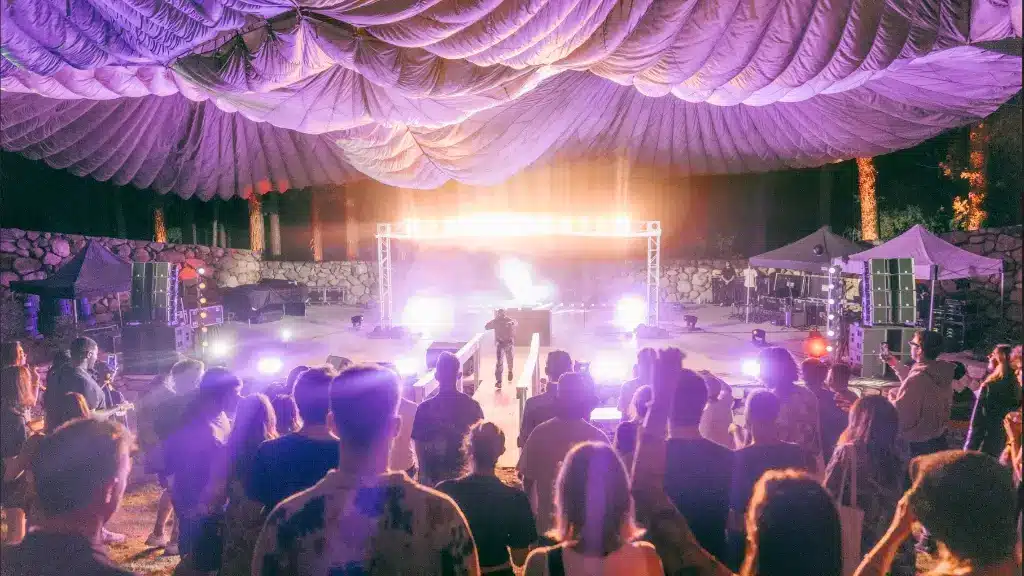
Web3 technology is fundamentally changing how creatives can monetize, connect with fans, and manage their content. Decentralized platforms, tokens, and smart contracts offer new ways to monetize, but they also challenge traditional intermediaries and business models. In this blog, I’ll explore how creatives can leverage the opportunities Web3 offers and new ways fans can participate in supporting and monetizing content. Tokens: new concert tickets and fan clubs From a revenue perspective, the core of an artist's relationship with a fan is a token, which is a digital token. A token could be compared to a Linnanmäki amusement park ticket: you can't get to the rides at an amusement park directly with euros, but by buying a ticket, you can get to the ride of your choice. In simple terms, a token is the digital equivalent of a single ticket, but in web3, the uses of a token are often more diverse, and their value can increase over time. No middlemen: direct connection to fans Traditionally, musicians have been dependent on major record labels and streaming services for the distribution of their music. This has often resulted in a significant portion of revenue going to middlemen: publishers, labels, agents, and other professionals who act as intermediaries between the artist and the audience. With the new internet, decentralized platforms enable direct communication with fans without intermediaries. For example, platforms based on blockchain technology allow artists to publish their music directly to the public, while retaining full ownership of their works. They can use smart contracts to determine how the use of the work is regulated and how, for example, the revenue from sales is allocated to the music creators. Traditionally, the connection with fans has been used as the basis for marketing: various mailing lists have been the basis for marketing, through which those who like the content created by the artist have been informed about new releases, for example. In the Web3 era, the role of the fan has been thought of differently: the fan is more of a partner than an object. "Engage-to-earn" at the heart of the new fan culture The engage-to-earn model is a new approach where both artists and fans benefit from active participation and interaction. In this model, artists can create digital tokens or NFTs (non-fungible tokens) that represent, for example, access to exclusive content, events, or other benefits. Fans can earn these tokens by engaging in various activities, such as sharing the artist’s content, participating in discussions, or completing certain tasks. This creates a two-way relationship where fans receive rewards for their activity, and artists benefit from increased visibility and an engaged audience. For example, in the music industry, Audius.co is a decentralized music streaming platform that aims to provide a fairer model for artists and fans compared to platforms like Spotify. The platform allows artists to release their new music directly to their fans without intermediaries and charges an introductory fee that gives the fan perpetual listening rights to the content. The content comes with access to a fan club that offers direct interaction between artists and fans. For example, electronic music composer and producer Dave Tipper has released his music on the platform and offered fans $AUDIO tokens, which give access to, among other things, fan-only events and through them become part of the subculture created by fans. Mirror.xyz, a platform for writers, allows content creators to publish their works. One of the platform’s successful experimenters was young author John Palmer, who wanted to publish an essay on his Mirror website. He sold tokens called $ESSAY, the proceeds of which were used to finance the writing of the essay. The agreement was that once the funding goal was reached, the essay would be published, and token holders would receive a share of something that could grow in value over time. The crowdfunded finished essay was sold on the online auction platform Zora. The proceeds were funneled back into the $ESSAY contract, increasing the value of each investor’s $ESSAY holding relative to the total value of the contract. Decentralized financial services enable fans to participate as investors in artists’ projects. For example, fans can invest their funds in an artist’s new album or film project and receive a share of future revenues in return. This model utilizes smart contracts that ensure automatic and transparent profit distribution to both the artist and fans and other parties specified in the smart contract. From fan to participant In the Web3 world, fan participation doesn’t necessarily stop at the role of an investor. They can also participate in decisions related to the development of artists’ careers and financial success by joining decentralized autonomous organizations (DAOs). In these communities, fans acquire tokens that give them voting rights and the ability to influence the artist’s activities. The Audius.co platform I mentioned earlier is governed by Audius token holders. These include both artists and fans. Token holders can vote on decisions related to the development of the platform, such as new features or terms of use. This model gives fans the opportunity to directly influence the operation of the platform and the visibility of artists, which can improve the financial opportunities of both fans and artists. One of the DAOs for artists, creative professionals, and fans is the Friends with Benefits (FWB) community. Membership in the community is achieved by acquiring a certain number of FWB tokens, which grant both entry and voting rights in community decision-making. FWB functions as both a social club and a funding crypto community. FWB organizes various events and festivals for its members, combining music, art, and cryptocurrency-related discussions. For example, the festival held in the summer of 2023 was open to members as well as a group of ticket holders (the ticket price was $399). The festival program included a diverse selection of speakers from technology to art. The event included a cinema, free generative art workshops organized by the NFT platform Highlight.xyz, yoga classes, DJ gigs, and a tennis tournament, where many participants dressed in all-white tennis attire. The educational speeches focused mainly on internet culture and in particular on the use of artificial intelligence in creative projects. In addition to the festival itself, the key benefit was a network of people interested in similar things, living as virtual and, at times, physical communities. Through DAOs, fan participation can lead to deeper engagement and financial benefits for both fans and artists. Fans are given the opportunity to influence the direction of artists' careers and financial success, and also to build activities that, in addition to inspiring content, promote networking and support the development of the creative industry. Only need 1,000 fans? In 2008, Wired magazine editor-in-chief Kevin Kelly introduced the idea of "1,000 True Fans," which states that an artist only needs 1,000 dedicated fans to succeed. Since then, Kelly's essay has been extensively updated and translated into many languages. The starting point of the idea is that if fans spend $100 per year on the products of the artist they admire, the artist would achieve an annual income of $100,000. This amount was therefore thought to be transferred more or less directly from fan to artist. However, in reality, complex production chains and professionals from different fields challenge the 1,000 fan theory. More and more artists can share their creations with the world at the touch of a button, enabling them to reach an ever-wider audience. They are drawn to the content, but also to the opportunity to interact with the creators of the creative content on a whole new level. But could the theory be reversed in the era of limitless digital communication, fueled by Web3? Could the reduction of intermediaries generate greater income for artists, or will the intermediaries simply change their roles while still receiving compensation for their professional contribution? Web3 may bring the 1,000 real fans theory closer to reality. Cutting out middlemen and engaging fans can increase an artist’s earnings, but they don’t eliminate the need for brand building, community management, and marketing. While blockchain and tokens bring new opportunities, they don’t automatically make an artist successful – it still requires audience engagement and ongoing interaction. The future will show how well Web3 delivers on its promise for the creative industries: is it a revolution or just another development in the digital economy? SOURCES Borg, J. (2024). Superfans: Why They’re Vital for Artists in the Algorithm Era. Amplify World Resources 18.1.2024. https://amplifyyou.amplify.link/2024/01/music-superfans/ Fenton, W. (2023). What is Web3 for music & how is it changing the industry? Midder. The Future of Music News 24.11.2023. https://middermusic.com/web3-for-music/?utm_source=chatgpt.com Fernandes, M.P. (2023). Crypto Clubs Throwing Summer Parties: Inside The Friends With Benefits DAO Festival. Forbes 10.8.2023. https://www.forbes.com/sites/digital-assets/2023/08/10/crypto-clubs-throwing-summer-parties-inside-the-friends-with-benefits-dao-festival/ fi.music396.com. Fanien sitoutumisstrategioiden mukauttaminen digitaalisiin alustoihin ja kulutustrendien muuttaminen (n.d.).https://fi.music396.com/topic/adapting-fan-engagement-strategies-to-digital-platforms-and-changing-consumption-trends/167277 Gottsegen, W. (2021). How Emily Segal Crowdfunded Her New Novel with Crypto. Deepdive Crypto profiles 24.2.2021. https://decrypt.co/68981/emily-segal-novel-crowdfund Marco J.D. (2022). The Musician's Guide to Web3. Mega Labs Article 6.7.2022. https://www.thelab.report/the-musicians-guide-to-web3/?utm_source=chatgpt.com Nittolo, T. (2024). A Peek Into The Tipper Community. Audius blogit 21.11.2024. https://blog.audius.co/article/a-peek-into-the-tipper-community Palmer, J. (2021). Using an Ethereum NFT to Crowdfund my Writing. Mirror.xyz 26.1.2021. https://j.mirror.xyz/OgVaYso25gEqxn7N4RyPnPbMO9pbNQJZQKEUvV9pxv8 Umana, D. (2024). Jack Harlow, Palaye Royale, and other music artists are using blockchain to connect with fans — and build profitable online communities. Business Insider TECH 16.2.2024. https://www.businessinsider.com/music-platforms-blockchain-artist-create-fan-clubs-communities Katri Halonen (Metropolia University of Applied Sciences) works as a project manager in the LUME – Creatives in the web3 era project, co-funded by the European Union, which focuses on new revenue models in the creative industry.
A new era of fan service
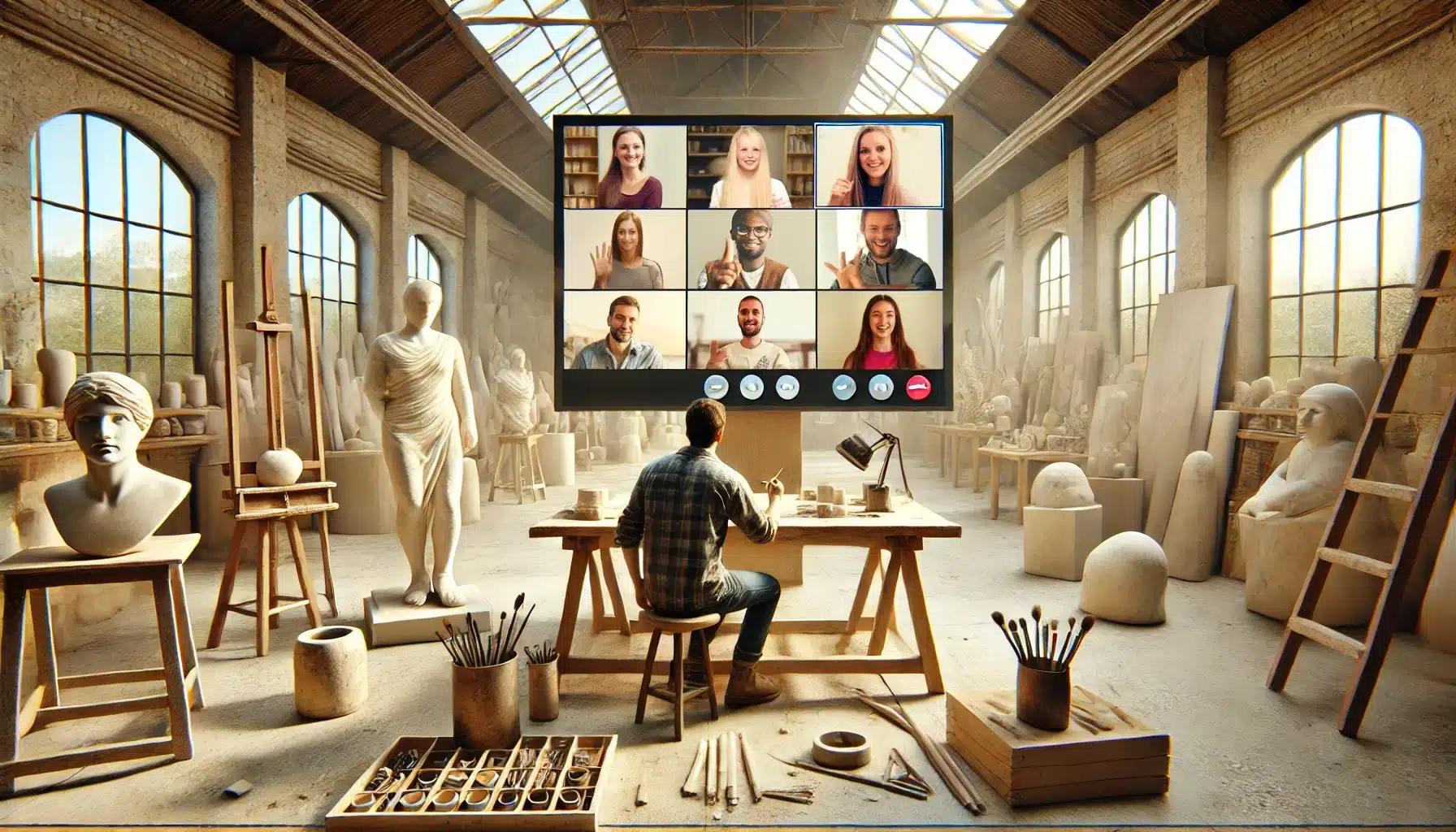
I was a Dingo fan when I was young. I first saw them on stage at my hometown vocational school and joined the fan club. My friend and I would share photos of our idols. Today, with social media, fan engagement has transformed into following, liking, and purchasing products. What if fans could be more involved – not just as distant admirers, but as part of a community where they could have a more personal experience and be recognized for their participation? The new internet (Web3) is opening doors to fan services, where tokens enable fans to experience unique experiences, exclusive content, and completely new types of fan services. In this blog, I dive deeper into how Web3 can change the way fans and artists meet. Tokens as a bridge between artist and fan A key challenge in fan relationships is communication. The new internet offers one solution to this challenge in the form of blockchain. The information stored in the blockchain is public, which allows artists to establish a direct connection with their fans by utilizing the fan's unique crypto wallet address. Knowing this address, artists can send their fans digital gifts in the form of tokens. However, it is important to note that the crypto wallet address alone does not contain personal information about the fan, which guarantees the privacy of users. A token is a digital unit that represents value or rights on a blockchain. It can act as a means of payment, a right to use a service, or an ownership interest in an asset, such as special content or services provided by a creator. Tokens act as a bridge in both directions. For example, American rap artist Snoop Dogg has moved his Death Row catalog to a platform called Tune.FM, thereby declaring that the era of Spotify is over. Tune.FM is a decentralized music streaming platform that utilizes blockchain technology and tokens called JAM. When a fan listens to Snoop Dogg's music on Tune.FM, he pays for his listening with tokens. These payments are transferred directly to Snoop Dogg without intermediaries. (Syväluomi 2025.) The payment is very small in nature, the price of one JAM token is approximately 0.0001753 (USD) at the time of writing. Compared to a traditional streaming service, this provides a fairer compensation for the artist by bypassing many intermediaries. Snoop Dogg also gets a direct connection to reward his fans, for example with a token that entitles them to purchase one concert ticket 2 hours before the actual sale starts. Stardust over content creators Traditionally, fan culture has been built around well-known creators and performers. Musicians, actors, and other major stars in entertainment have benefited from fan communities that are willing to purchase fan merchandise directed at them. That connection is nurtured and strengthened through performing. At the same time, many other creative content creators, such as visual artists, writers and designers, have been overshadowed as builders of fan services. Their work has not been based on direct, systematically maintained audience contact in the same way. However, fan services of the new internet can change this situation: they offer new ways to support and fan the creative professionals who traditionally work in the background. Any creative can build their own fan communities, where passionate supporters can participate, influence, and be recognized for their support. Specialized and even unique content can find their own fan base thanks to the global internet. Exclusive tickets – more than just an event ticket Traditionally, an exclusive ticket has meant a front-row seat to a concert, a premiere, or VIP access to a festival. In the new internet world, such tickets can be transformed into digital tokens owned by fans that offer additional benefits. Music and film fans can purchase special tickets that entitle them to, for example, an artist’s soundcheck or a film premiere discussion with the director. For example, Kentucky rapper Jack Harlow has sold VIP tickets to his concerts in the form of NFTs. Compared to regular tickets, the holders of these tickets had, among other things, faster entry and early entry to the concert venue to grab the best seats (see Kubinek 2023; Bincnce 2023; Halonen 2023). Entrepreneur Gary Vaynerchuk has launched the VeeFriends NFT collection. Each NFT grants entry to VeeCon (see VeeCon 2024). The event will run over several days, and the NFTs will serve as both collectibles and access to events hosted by the artist and other community members. For example, Elton John’s Rocket Club NFT membership gives access to the artist’s special photo collections (Sweetio.com), and Snoop Dogg’s The Passport Series NFT gives its owner the opportunity to accompany Snoop Dogg in the backrooms of concert venues and events on his tours (Langston, 2023). Martha Stewart and Quentin Tarantino also have their own NFT communities (Langston, 2021). The content of different VIP events is very diverse. Film fans can participate in NFT-based viewing experiences, where the film's director or lead actors discuss the film with fans. In the theater industry, closed readings can be organized, where fans can follow how a new play is being developed. In literature, VIP events can mean, for example, exclusive literary circles, where an author discusses his works with fans, and designers can invite their fans to design launches, where new collections are presented before official sales. A peek behind the scenes of creative work as a service for fans Especially during the corona years, a digital leap was taken towards remote participation. Zoom, Teams and Google Meet became familiar to many. These also led to the spread of digital artist meetings aimed at fans. There is no need to travel to the meeting, and everyone (including the artist) is physically safe behind their own screen. For example, director Kevin Smith (n.d.) released her film "KillRoy Was Here" in NFT form, giving NFT buyers not only the film but also the opportunity to participate in virtual meet & greets with Smith and access to behind-the-scenes footage. In addition to stars, people also want to meet creative professionals who stay behind the scenes. For example, the meeting site Charitybuzz.com has sold an hour-long Zoom remote meeting with, among others, The Walking Dead director Rosemary Rodriguez (Charitybuzz, 2025). Authors can sell special edition NFT books that entitle them to a private Q&A session, for example regarding alternative story endings. On the non-fiction side, Amanda Cassatt's (2023) Web3 Marketing book came with a limited-time purchase of the book, along with the right to join her private Discord group, where you can meet Amanda and other Web3 marketing developers. Visual artists can offer access to closed art tours that explore the creation stories of their works, while designers can sell limited tickets to prototype exhibitions where fans can provide feedback before the wider launch of products. A new era of fan culture In the Web1 era, mailing lists were collected from fans, in the Web2 era, various social media data and information provided by cookies in website tracking became the source of fan information. In the era of the new internet (web3), blockchain plays a key role in reaching fans. The tokenized services offered by the new internet not only deepen the relationship between artists and audiences, but also expand the concept of who can be fanned and how. Fanning is no longer just a domain dominated by the performing arts – writers, artists and designers can also build their own communities where fans can participate and influence more than before. So perhaps the title of my blog should have been a new era of fan culture instead of a new era of fan services. When I was young, joining the Dingo fan club and sharing photos with a friend, I felt a connection of sorts – even if it was a one-sided fandom. The new internet allows today’s fans to have a deeper and more personal connection with their favorite artists. With the help of blockchain, fans can own digital collectibles, participate directly in events organized by artists, and receive recognition for their activism. This development is transforming fandom from one-way admiration to an interactive community where fans are active participants and influencers. Sources Binance News (2023). Jack Harlow's Concert-Goers Experience Blockchain-Based VIP Tickets. Binance News 5.12.2023. https://www.binance.com/en/square/post/2023-12-05-jack-harlow-s-concert-goers-experience-blockchain-based-vip-tickets-983371762130 Cassatt, A. (2023). Amanda Cassatt on Web3 Marketing and the early days of Ethereum. Decrypt @DecryptMedia 25.10.2023 https://www.youtube.com/watch?v=p-LhIrf7Jco kohdassa 36 min). Charitybuzz (2025). https://www.charitybuzz.com/catalog_items/auction-1-hour-power-meeting-with-walking-dead-director-3129433 Halonen, K. (2023). NFT haastaa konserttien lippubisneksen. Metropolia AMK, LUME blogit 30.8.2023. https://blogit.metropolia.fi/lume/2023/08/30/nft-haastaa-lippubisneksen/ Kubinec, J. (2023). How MITH brought Jack Harlow fans to the blockchain. Blockworks newsletter 2.12.2023. https://blockworks.co/news/jack-harlow-mith-fan-engagement Langston, T. (2021). 15 Celebrities Who Are an Active Part of the NFT Community. NFT Now 10.11.2021. https://nftnow.com/culture/stars-active-in-nft-community/ Langstion T. (2023). Snoop Dogg Takes Fans on ad Digital Journey With New NFT Passport Series. NFT Now 14.6.2023. https://nftnow.com/news/snoop-dogg-takes-fans-on-a-digital-journey-with-new-nft-passport-series/ Smith, K. (n.d.). Kilroy was Here. Katsottu 13.3.2025. https://killroywashere.io/ Sweetio.com (n.d.). Elton John Rocket NFT Club Pass No. 1466. https://sweet.io/listings/pgWR0ajK Syväluomi, V. (2025). Snoop Dogg vie Death Row -kataloginsa Tune.FM:ään -- Soprityn aika on ohi. Klangi 28.2.2025. https://www.klangi.fi/uutiset/snoop-dogg-musiikki-tune-fm-web3-suoratoisto/ VeeCon event (2024). Lippukauppa. https://veecon.co/tickets Katri Halonen (Metropolia AMK) toimii projektipäällikkönä Euroopan unionin osarahoittamassa LUME – Luovat web3-ajassa hankkeessa, jossa keskitytään luovan alan uusiin ansaintamalleihin.
Forget the band shirt – new products for digital fandom

Traditional fan merchandise, such as shirts, posters and vinyl records, have been an important source of income for artists for decades. My teenage years were marked by experiences at gigs where I walked out as the proud new owner of a genuine band shirt, which my parents thought was a bit overpriced. Wearing it, I declared my fandom and that I was “there” at an important concert. When we jump to 2025, I may no longer have shirts in my closet. However, I want to support the band. Perhaps more and more people will buy fan merchandise as NFTs instead of shirts. In this blog, I will consider what NFT-based fan merchandise is like. What are NFT fan merchandise? NFT (Non-Fungible Token) is a unique digital product whose data is stored on a blockchain that serves as proof of ownership of the product. For example, a typical fan product, a poster, can be illustrated as follows: A poster is an image printed on paper. An NFT is like a digital original of that poster, but its authenticity and ownership are recorded on the blockchain. The blockchain is an open, decentralized ledger maintained by networks. The information stored on the blockchain tells you that the digital poster in question is an official edition from the collection of the band I admire and that my payment is going to the right party. NFTs can be digital art, music, or video footage, and can be bought, sold, and traded like physical collectibles. Sales often occur directly from artist to fan, without long chains of intermediaries. For example, American rap musician Snoop Dogg has made extensive use of NFT technology as part of his fan merchandise. He has released exclusive songs, digital artwork, and fan-owned products such as virtual merchandise in NFT format. He has also designed over 10,000 digital characters that make up The Doggies avatar collection (CNBCTV18, 2023). This creates a new, decentralized revenue stream for the artist without traditional intermediaries. When digital art meets ownership NFT technology has also transformed the digital art scene. For example, Australian 3D artist Andrew Price, founder of the popular YouTube channel Blender Guru, has used NFTs to sell his digital works directly to his fans. He became particularly famous for his NFT mosaic of 3D-modeled doughnuts (Lampel, 2024). The doughnuts were sold at auction without traditional intermediaries, and the sale brought the artist $18,000. Price’s case demonstrates how NFTs can serve as a means for artists to monetize their digital work and offer fans the opportunity to support their favorite artist by owning a unique digital piece. Compared to traditional commerce, the chain between artist and fan is typically much shorter – sometimes without intermediaries at all. Digital art is easily copied and shared, which has made its commercialization challenging. Crypto art utilizes NFT technology, which allows the origin and ownership of works to be verified. However, there are challenges in this field as well. For example, a person may sell an NFT to which they do not have the rights, or it may be a fake. Furthermore, ownership of an NFT is often only a link to the actual work, making ownership of the product dependent on the maintenance of the blockchain and the external storage service containing the work. (Rivero Moreno, 2024) Exclusivity and limited editions of NFT products NFT technology enables limited editions, which increases the value of products. For example, the number of NFT products aimed at fans has been limited to 500 pieces, allowing fans to compete to obtain them. This limited availability model has traditionally been used in vinyl releases and special editions, for example, but in the NFT world it is possible without physical production. Finnish fashion and virtual fashion designer Wilma Kurumaa, aka Kalista, is an interesting example of NFT fan products. Kalista has created NFT-based clothing. Fans can wear these clothes, for example, in the metaverse with their own avatars (Hero, 2025). This shows how NFT products can expand from mere images and audio recordings to interactive and usable digital products. Many NFT products contain both a physical and a digital component, i.e. are phygital. In this case, the NFT proves authenticity, ownership and ownership history - all of which are available for anyone to view on an open blockchain. The new market for phygital fan products T-shirts, pins and posters have been replaced by digital fan products with content that differs from what is customary. Artists can create fan products that are interactive and immersive experiences. NFT fan products can offer fans, for example, a personal digital artwork that includes the artist's signature, a unique animation or handwritten lyrics to a song. This adds value and uniqueness to NFT fan products, making them desirable collectibles. The content of phygital fan products has diversified with the development of digital technology. For example, Julien’s Auctions has sold phygital NFT products (i.e., NFTs that include a physical object and an NFT that proves ownership and origin) including Victoria Beckham’s evening gowns, Barack Obama’s golf shoes, and Leonard Cohen’s old front door key to his home on the Greek island of Hydra (Julien’s Auctions, 2025). Band shirts have moved on to a diverse, often unique world of fan products, where the NFT acts as a proof of authenticity and is a key part of the value of the fan product. Screenshots of the phygital products being sold at Julien's Auction NFT auction Fan shirt: a piece of the past or a future of fandom? NFT technology is still evolving, and there are many opportunities and risks surrounding it. Scams, challenges in understanding the technology, and market volatility can make it difficult for artists to transition to NFT fan products. However, when implemented well, NFTs can provide a more sustainable and fairer revenue model for artists who want to take advantage of the new opportunities offered by the technology (see Wolff, 2025). I'm still proud of my old band shirts. The stains on the prints are especially important. At the same time, the NFT world offers something I couldn't imagine before. It could mean access behind the scenes, exclusive experiences, or digital memories that can't be copied. Fandom isn't going away - it's just changing with the digital age. Or maybe my shirts are finding a new market where I could sell my old worn t-shirt as a phygital product to the highest bidder? SOURCES CNBCTV18.com (2023). 5 crypto and NFT projects that Snoop Dogg has been involved with. CNBTTV18 uutiset, 2.3.2023. https://www.cnbctv18.com/cryptocurrency/5-crypto-and-nft-projects-that-snoop-dogg-has-been-involved-with-16079141.htm Chalmers, D., Fisch, C. & Matthews, R. , Quinn, William & Recker, J. (2022). "Beyond the bubble: Will NFTs and digital proof of ownership empower creative industry entrepreneurs?," Journal of Business Venturing Insights, Elsevier, vol. 17(C). Hero, Laura-Maija (2025). Kalista ja muotiliiketoiminta web3 ajassa. Metropolia ammattikorkeakoulu, LUME-hankkeen blogi 15.1.2025. https://blogit.metropolia.fi/lume/2025/01/15/kalista-ja-muotiliiketoiminta-web3-ajassa/ Julien’s Auctions (2025). Lampel, J. (2024). What's New with Blender Guru ft. Andrew Price. CGcookie.com podcast 31.10.2024. Rivero Moreno, L. (2024). Art on the chain? On the possibilities of new media art preservation on the Web3. Digital Creativity, 35(3), 221-233. Wolff, M (2024). Web3: Huoli digitalisoitumisesta on ymmärrettävää. Metropolia ammattikorkeakoulu, LUME-hankkeen blogi 17.12.2024. https://blogit.metropolia.fi/lume/2024/12/17/web3-huoli-digitalisoitumisesta-on-ymmarrettavaa/ Katri Halonen (Metropolia AMK) toimii projektipäällikkönä Euroopan unionin osarahoittamassa LUME – Luovat web3-ajassa hankkeessa, jossa keskitytään luovan alan uusiin ansaintamalleihin.
Smart contracts for artists: An easy way to earn or a carefully considered risk?

Artist Emmi sat in a café, scrolling through her phone thoughtfully. She had been selling her art for years through traditional means – through galleries and commissioned works. She found herself thinking about the same problem more and more often: how could she make a more sustainable living from art? Then Emmi came across smart contracts. They allowed her to attach a piece of art to a digital contract that would ensure she would automatically receive a share of every resale of the piece. No negotiations, no sending invoices – just a clear, programmed model that took care of her rights. Emmi decided to try it out. She created her first digital series of works and attached a smart contract to it, which guaranteed her a 10% royalty on every resale. Sales were slow at first, but soon one of her works changed hands – and an automatic payment was made to her account without her having to do anything. This encouraged her to go even further in her experiments. However, the more Emmi learned about the subject, the more she realized that smart contracts are not risk-free. Implementing them requires consideration, understanding and preparation for potential pitfalls. Smart contracts open up a new way of earning Smart contracts are programmed agreements that automatically execute agreed-upon terms on the blockchain (Soon, 2024). This means that the artist does not have to negotiate separately how to receive payments or worry about how their works move through the market. The technology does it for them. One of the most significant advantages is the possibility of earning from the increase in the value of the work also in the so-called secondary market. Traditionally in the field of fine arts, when a work of art is sold, its ownership is transferred to the new buyer, and the artist no longer benefits from possible future resales. With the help of smart contracts, the artist can set an automatic royalty in the terms of the contract, which is paid to him for each new sale. In this way, he receives a share of the increase in the value of his work in the long term. (Murat et al. 2024, EU Blockchain Observatory and Forum 2023, EU Blockchain Ecosystem Developments 3, 2024.) A new kind of protection Payment security is also something that Emmi, like many other creative professionals, is used to stressing about. Invoices get stuck, payments get delayed, and you have to ask for them repeatedly. Smart contracts eliminate this worry: when pre-agreed conditions are met, payment occurs automatically without intermediaries or separate approval. Additionally, smart contracts offer a completely new level of protection for digital works. Blockchain technology allows a work of art to be registered in a way that its origin can always be verified. This reduces piracy and makes counterfeiting virtually impossible, as every transaction is permanently recorded and publicly visible. This is especially important for artists who sell digital works and want to ensure that the authenticity and ownership of their work can be easily verified. Overall, smart contracts can offer creatives like Emmi a new way to manage their rights and revenues without being tied to traditional and often rigid contractual models. The possibilities are attractive, but as with any new technology, there are also challenges and risks that need to be understood before full-scale adoption. (Murat et al. 2024, EU Blockchain Observatory and Forum 2023, EU Blockchain Ecosystem Developments 3, 2024) …and a new kind of vulnerability One of the first things Emmi learned was that once a smart contract is stored on the blockchain, it cannot be changed as easily as a traditional contract. Once a contract is made, it is really made. If you wanted to change the terms, for example by increasing the royalty, you would probably need a completely new contract (EU Blockchain Ecosystem Developments 3, 2024). This meant that even a small error in the contract code could be costly. In the traditional world, contracts can be renegotiated, but in a smart contract, the code is the law – and it is implemented exactly as it is written. The error can also be in the code. For example, in 2016, an attacker exploited a vulnerability in the code of the DAO organization’s smart contract to transfer about 3.6 million ether (ETH), which at the time was worth about 50 million US dollars (The DAO, 2024). The role of smart contracts in terms of traditional legal frameworks is uncertain. Smart contracts do not always fit into traditional legal frameworks, and in many countries it is not yet clear how disputes are resolved. This made their use riskier, as the security of the traditional legal system is not always available and it is not even necessarily known which country's legal protection would be used. In blockchains, there are also no guarantees that everyone will act fairly. The changing roles of cultural producers Smart contracts are associated with the idea of reducing the role of intermediaries. Traditionally, art sales have involved multiple actors – galleries, agents and other intermediaries – who take a share of the proceeds. When a smart contract manages payment transactions directly between buyer and seller, the artist can receive a larger share of the sales proceeds without having to negotiate commissions or fees. However, it is unlikely that the intermediary layer will disappear completely. Technological change will bring new job roles – also for cultural producers. They can develop new services that support the interaction between artists and audiences. Artists like Emmi need help in implementing these tools, and cultural producers can be key actors in helping them build sustainable and innovative revenue models. Choosing a blockchain platform and minimizing the risks of smart contracts may become new tasks (see Soon 2024). Traditionally, creatives have outsourced technical and commercial processes to intermediaries in order to focus on their creative work. While Emmi may find it challenging to find a physical gallery for her works, finding digital marketplaces may be easier. However, just as in the physical world, reaching the right audience in the digital environment is a key challenge. Perhaps the smart contract managers of the future will know marketplaces so well that they can help creative content creators find the right environment for their work. They can also draft smart contracts in such a way that their terms optimize the artist’s earning potential. Is it worth trying? Smart contracts offer many benefits to creatives, especially in terms of automated payments and resale revenue. However, their use still comes with many challenges, especially legal ambiguities and security risks. Therefore, before moving to smart contracts, it is important to ensure that the content of the contracts is properly programmed and that users understand the potential limitations of the technology. Smart contracts are not a solution to all problems, but they can offer creatives new and interesting revenue models, especially in the digital environment. They are best suited to situations where revenue is based on secondary markets, automatic payments or the management of digital works. Technology can be a powerful tool, but only when used consciously. For creatives, smart contracts can offer new revenue opportunities – but using them requires understanding, care and a bit of healthy skepticism. Perhaps the advice for Emmi and others like her could be: be cautious. It would be best to use only verified and proven contract templates and start small. Feel free to test low-risk use cases on reliable platforms and ensure the quality of the contract. Technology doesn't have to be scary – when understood and used correctly, it can be a powerful tool for building the future of art and creative work. SOURCES EU Blockchain Ecosystem Developments 3 (2024). EU Blockchain Observatory and Forum raportti.https://blockchain-observatory.ec.europa.eu/publications/eu-blockchain-ecosystem-developments-3_en Smart Contracts Report (2023). EU Blockchain Observatory and Forum. European Comission. https://blockchain-observatory.ec.europa.eu/news/smart-contracts-report-2023-03-13_en Soon, M. (2024). Älysopimusalustat ja niiden eroavaisuudet. Norhcrypto blogi 10.7.2024. https://www.northcrypto.com/learn/blog/alysopimusalustat-ja-niiden-eroavaisuudet The DAO (2024). Wikipedia. https://en.wikipedia.org/wiki/The_DAO?utm_source=chatgpt.com Tunc, M., Cavusoglu, H. & Zheng, Z. (2024) Resale Royalty in Non-Fungible Token Marketplaces: Blessing or Burden for Creators and Platforms?. Information Systems Research. https://doi.org/10.1287/isre.2023.0035 Blogin on kirjoittanut Euroopan unionin osarahoittaman LUME - Luovat web3-ajassa -hankkeen projektipäällikkö Katri Halonen Metropolia Ammattikorkeakoulusta.
Web3 tuo tullessaan osallistavan sosiaalisen median ja ansainnan mahdollisuuksia

Facebook on pitänyt viimeiset 10 vuotta ykköspaikka maailman käytetyimpänä sosiaalisena mediana. Sillä on maailmanlaajuisesti yli 3 miljardia käyttäjää, eli noin kolmannes maapallon ihmisistä (Kumar, 2024). Suomessakin Facebook on viikkokäyttäjien määrällä mitattuna suosituin sosiaalisen median kanava 3,25 miljoonan käyttäjän voimin (Innowise, 2024). Kymmenen vuoden aikana uusia kanavia on tullut ja poistunut Facebookin pysyessä kestosuosikkina. Sosiaalisen media kanavilla nousussa on TikTok, jolla on käyttäjiä noin kolmannes Facebookin lukemista (Innowise, 2024; Backlinko, 2024). TikTok kantaa mukanaan potentiaalisia muutoksen tuulia, sillä se kerää Facebookiin verrattuna selvästi nuorempaa käyttäjäkuntaa. Tässä blogissa pohdin etenkin eri sosiaalisen median alustojen ikäajakaumaa, joka on keskeinen tekijä muun muassa markkinointiviestinnän kohdentamisessa. Toinen kiinnostuksen kohde ovat algoritmit, jotka ovat monipuolistaneet sosiaalisen median toimintaa ja ansainnan mekaniikkoja. Nämä yhdessä avaavat kiinnostavia näkymiä myös luovan alan toimijoille. TikTokin algoritmi on mahdollistanut tuntemattomien tekijöiden sisältöjen leviämisen, ja se ohjaa ajattelua kohti web3-teknologioiden avaamia uusia sisällön tuottajan ja sisällön jatkokäyttäjän yhteistyön toimintamalleja. Web3 tarjoaa uudenlaisia tapoja hyödyntää luovaa sisältöä, jossa sekä tekijät että sisältöä käyttävä voivat hyötyä taloudellisesti. Esimerkiksi lohkoketjuteknologia mahdollistaa sen, että jokaisesta sisällön käytöstä voidaan ohjata korvaus suoraan alkuperäiselle tekijälle ja myös sisällön jatkokäyttäjälle. Tämä tekee jakamiskulttuurista paitsi arvokasta myös läpinäkyvää ja entistä oikeudenmukaisempaa. Ansaitse jakamalla: Web3 tekee kaikista sisällöntuottajia Facebookin ansaintamallissa rahaa ansaitaan esimerkiksi julkaistujen videoiden yhteyteen sijoitettujen mainosten katselukerroista tai yritysyhteistyön myötä tehtävän mainostamisen (Branded Contet Tool, 2023) avulla. Ansainta on vahvasti sidoksissa katselukertoihin ja kelpoisuuskriteerien täyttymiseen (esimerkiksi 10 000 seuraajaa). Samalla se on tuottanut vaikuttajien ammattikunnan, jolle on pikkuhiljaa rakentunut tärkeä rooli sosiaalisen median hallinnassa. Nuoren ikäryhmän sosiaaliseen mediaan mukaan tuomisen ohella TikTokin muutosvoima nojaa uusiin perusteisiin jakaa tuloja sisällön tuottajien kanssa. Alustan lähtökohta on avata sosiaalisen median menestyvien sisältöjen tuotanto kaikille tasavertaisemman oloisen algoritmin avulla, jonka piirissä kuka vain voi ansaita ja saada maailmanlaajuista näkyvyyttä. TikTok mahdollistaa tuntemattomien tekijöiden sisällön nousun pinnalle ilman uusia seuraajamääriä. Tärkeintä on, että sisältö puhuttelee ja se on liitettävissä viestinnän valtavirtaan. TikTokin käyttäjien For Your Page (FYP, 2024) näyttää sisältöä sitoutumisen mukaan, eli algoritmi suosii julkaisujen seuraajamäärän sijasta videoita, jotka saavat paljon tykkäyksiä, jakoja, kommentteja ja katseluaikaa. Näin lähtökohtaisesti mikä tahansa video voi saavuttaa miljoonayleisön, kunhan se vain vetoaa katsojiin. Pienemmän paikalliset taitelijat ja luovan alan tekijät voivat siis saada sisällöllään näkyvyyttä ilman globaalia seuraajakuntaa. Ei-tunnettujen sisällöntuottajien videoissa on usein läsnä aidon tuntuisia sisältöjä ja voimaannuttavia tai inspiroivia tarinoita sekä tee-se-itse tutoriaaleja esimerkiksi meikkaukseen liittyen. Usein niistä löytyy hauskoja sattumuksia tai spontaaneja ihmisten tai eläinten reaktioita. Myös erilaisiin tanssiliikkeisiin ja lip sync -haasteisiin liittyvät sisällön ovat saattaneet saada nopeasti miljoonia katsojia, mikä muokkaa tekijän roolia kohti kumppanuutta alkuperäisen kappaleen tekijän kanssa. Uuden sisällön alkuperäisen tekijän ja uudelleen käyttäjän välinen kumppanuus pohjautuu jakamiskulttuuriin, jossa sisältöjä ei vain katsella tai tykätä, vaan niitä jaetaan ja remiksataan edelleen. Tämä kulttuuri heijastuu suoraan web3-ajatteluun, jossa yhteisöjen ja käyttäjien osallistaminen sisällön kehittämiseen ja levittämiseen on keskiössä. Esimerkiksi DAO:t (ks. Mustikainen & Konttinen, 2023) voivat toimia yhteisöinä, jotka paitsi jakavat sisältöjä myös päättävät niiden kehittämisestä ja tuotosta yhdessä. Tämä tasapainottaa valtaa alustojen ja käyttäjien välillä, ja nuoret ovat usein innokkaita omaksumaan tällaisia osallistavia malleja. Musiikkia, trendejä ja viraaleja hittejä – miksi TikTok koukuttaa? TikTok asettaa äänen tärkeään rooliin alustallaan, joka houkuttelee luonnollisesti musiikkipainotteista sisältöä. Kun kappale tai äänileike saa nostetta, siitä voi nopeasti kasvaa viraali-ilmiö, joka voi nostaa tekijän laajaan tietoisuuteen. Tämä eroaa muista sosiaalisen median alustoista, joilla kuvat (Instagram) tai teksti (Twitter) hallitsevat. Esimerkiksi TikTokin viraalit kappalepätkät ovat johtaneet merkittävään suoratoistomäärien kasvuun ja joskus jopa merkittäviin levytyssopimuksiin nouseville artisteille. Tämä sitoutumiseen perustuva malli tarkoittaa, että TikTok voi tarjota suoria taloudellisia mahdollisuuksia, joita muilla alustoilla on vaikea jäljitellä. (ks. Coulter 2022.) TikTokin algoritmi suosii musiikkiin perustuvan sisällön versiointia. Käyttäjät tuottavat sisältöä esimerkiksi tunnetun tai tunnetuksi nousevan kappaleen ympärille. Esimerkiksi päälle laulaminen ja tanssiliikkeiden esittely ovat useiden trendin ytimessä, mikä tarjoaa kenelle tahansa mahdollisuuden liittyä hetkeksi sosiaalisen median päävirtaan. Luoville tekijöille, jotka haluavat maksimoida näkyvyytensä ja ansaintamahdollisuutensa, TikTok tarjoaa ainutlaatuisen tilaisuuden hyödyntää käyttäjien tuottamaa sisältöä. Sisällön tekijälle tarjolla on myös ketteriä yhteistyön ja sen kautta rakentuvan markkinoinnin keinoja, jotka erottuvat perinteisistä sosiaalisen median malleista. TikTok web3 ideologian airueena – mitä vuosi 2025 tuo tullessaan? Vuonna 2024 TikTok on ollut julkisen keskustelun keskiössä niin Suomessa kuin maailmallakin. Ylen kansanedustajille tekemässä kyselyssä jopa 84 vastaajaa 126:sta oli sitä mieltä, että TikTokin käyttö tulisi kieltää Suomessa (Hara, 2024). Huolenaiheita ovat erityisesti tietoturvariskit, valeuutisten leviäminen ja sovelluksen koukuttavuus, jotka ovat herättäneet kysymyksiä paitsi yksityisyydestä myös alustan yhteiskunnallisista vaikutuksista. Suhde Kiinaan tuottaa paljon epäilyksiä. TikTok on kiistänyt syytökset Kiina-yhteyksistään ja tietoturvaongelmista, mutta sovellus on joutunut kovan sääntelyn kohteeksi muualla, kuten Intiassa ja Yhdysvalloissa. Näiden maiden toimet saattavat toimia mallina myös Suomessa, mikäli paine sovelluksen rajoittamiseksi kasvaa. Vaikka TikTokin asema on kyseenalaistettu, on varsin todennäköistä, että lyhytvideomuotoinen sisältö on tullut jäädäkseen. TikTok siivittää osaltaan web3:n kehittymistä ajattelutavan muutoksella. Uudessa ajattelussa nuoret eivät enää ole pelkkiä kuluttajia, vaan myös sisällön osaomistajia ja sen hyödyntäjiä osana omaa sosiaalisen median toimintaansa. Tällainen muutos voisi älysopimusten siivittämänä tarjota heille uusia taloudellisia mahdollisuuksia. Sosiaalisen median murros on käynnissä, ja sen vaikutukset ulottuvat niin yksilöihin kuin yhteiskuntaankin. TikTokin nousu haastaa perinteiset toimijat, mutta se myös herättää kysymyksiä vastuullisuudesta, tietoturvasta ja nuorten hyvinvoinnista. Toisaalta sen tarjoamat uudet mahdollisuudet erityisesti luovan alan toimijoille ja pienille sisällöntuottajille ovat merkittäviä. Tämä kehitys alleviivaa tarvetta ymmärtää sosiaalisen median alustojen toimintaa, vaikutuksia ja tulevaisuuden suuntaa. Lopulta kysymys ei ole vain siitä, mikä alusta hallitsee markkinoita, vaan siitä, miten käytämme näitä työkaluja rakentavasti ja vastuullisesti yhteisen hyvän edistämiseksi. Tulevaisuuden web3 muovautuu juuri nyt – ja me kaikki olemme sen muovaajia. LÄHTEET Backlinko (2024). Social Media Usage & Growth. Backlinko 6.9.2024. https://backlinko.com/social-media-users Branded Content Tool (2023). Branded Content Policy. TikTok 11/2023. https://www.tiktok.com/legal/page/global/bc-policy/en Coulter. A. (2022). Marketing Agile Artists: How Music. Labels Can Leverage TikTok’s Virality. MEIEA Journal Vol. 22, No. 1. https://doi.org/10.25101/22.5 FYP. For your Page (2024). What is FYP. TikTok, luettu 18.11.2024. https://www.tiktok.com/channel/what-is-fyp?lang=fi-FI Hara, J. (2024). Iso osa kansanedustajista kieltäisi Tiktokin – katso, miten oma edustajasi vastasi. Yleisradio uutiset. https://yle.fi/a/74-20086759 Haidt, J. (2024). Ahdistunut sukupolvi. Kuinka älypuhelimen perustuva lapsuus on aiheuttanut mielenterveyden häiriöiden epidemian. Suomentanut Pietiläinen K. Terra Cognita. Innowise (2024). Sosiaalisen median tilastot ja käyttö Suomessa: somekatsaus 02/24. Innowise 07.2.2024. https://www.innowise.fi/fi/sosiaalisen-median-kaytto-suomessa-somekatsaus-022024/ Kumar, N. (2024) Facebook User Statistics (2024) -- Worldwide data. Demandsage.com statistics, 14.10.2024. https://www.demandsage.com/facebook-statistics/ McCormick, K (2024). The 6 Biggest, Baddest Social Media Platforms of 2024 (+How to Wield Their Power). Business 2 Community 19.3.2024. https://www.business2community.com/social-media-articles/the-6-biggest-baddest-social-media-platforms-02452016 Mustikainen, H. & Konttinen, M. (2023). Ovatko perinteiset organisaatiot tulleet tiensä päähän? Sitra artikkeli 25.5.2023. https://www.sitra.fi/artikkelit/ovatko-perinteiset-organisaatiot-tulleet-tiensa-paahan/ Sosiaalisen median tilastot 2024. (22.10.2024). Markkinointi Maestro blogi, luettu 18.11.2024. https://www.markkinointimaestro.fi/sosiaalisen-median-tilastot Katri Halonen (Metropolia AMK) toimii projektipäällikkönä Euroopan unionin osarahoittamassa LUME - Luovat web3-ajassa hankkeessa, jossa keskitytään luovan alan uusiin ansaintamalleihin.
Combine24: experiencing and making art
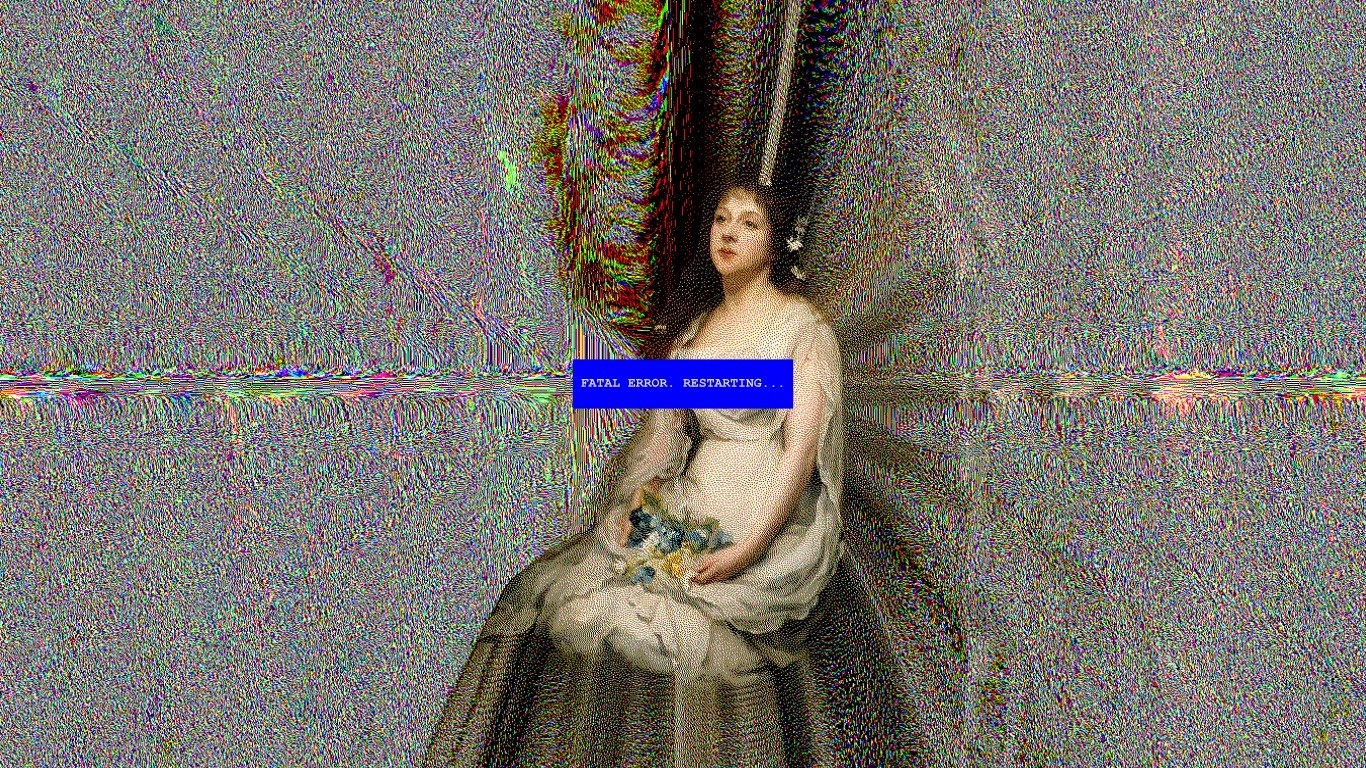
Traditionally, art has been based on physical materials and the skill with which they are handled. The role of the artist has been to create, illustrate and tell stories using paint, clay, stone or other concrete media. With digitalization, the form of art making has expanded, and the inclusion of artificial intelligence in the creative process raises the question (Salonen 2023): is a human an artistic actor, even though artificial intelligence is part of creative work? Art can even be produced by algorithms and technology, changing not only the way art is created but also the way it is experienced. The Combine24 competition organized by the National Gallery embodies this shift, where traditional and digital art meet in a new kind of creative process, an interaction between man and machine. The process of generative art English art critic and teacher Harold Osborne (1988) defines generative art as geometric abstraction in which a basic element, such as an artificial intelligence-based algorithm, creates new variations by changing the original initial parameter based on set rules. Unlike traditional art, where the work is static, generative art is constantly changing and real-time. Theorist Matt Pearson (2011) describes generative art as a process that combines logical and cold programming with creative, emotional expression. In this form of art, collaboration between humans and machines, or co-creation (Lundman, Nordström, 2023), opens up new possibilities for creation. At the heart of co-creation is the idea that creativity is not exclusively human-centered, but that machines can be part of the creative process, and this collaboration can expand the boundaries of human imagination. The National Gallery of Finland’s Combine24 competition exploits this concept of co-creation, where algorithms created by artists and artists together create new works, offering viewers the opportunity to participate in the creation, modification and ownership of the work. The competition focuses on generative art, which is more than a single work. The competition instructed artists to use the National Gallery’s historical art collections as raw material and create new art from them based on an algorithm, whereby the final result is generated randomly within the framework of programmed rules. Each result is a unique variant – just like each viewer experience. You may touch! One of the most interesting features of the Combine24 competition is the active role of the viewer. This involvement transforms the traditional passive art experience into an interactive and creative process in which the viewer is a participant. THL also sees the idea of participation expanding from mere presence, participation, to a way of active influence, participation, where people influence and are involved in decision-making (2024). This participatory model represents a broader trend in the cultural sector, where the audience is encouraged to be active actors, whereby creativity is no longer limited to art actors and professionals (Halonen, 2019). The Remix the Archive exhibition, which features the works of Combine24 finalists, is a physical space in Helsinki where visitors can modify the works displayed on screens with their own touch by pressing the Remix button. Viewers are no longer just passive observers, but co-creators of the work. This interactivity makes experiencing art a personal and participatory process, where the viewer can feel part of the creative process. The public also has the opportunity to influence and vote for one of the three winners, which adds more meaning and personality to the participation. Dialogue between art and technology Combine24 combines the National Gallery's historical collections with modern technology in a way that raises questions about authorship. The works are not simply based on the creations of past masters, but generative artworks create a whole new reality, where historical elements serve as the basis for modern algorithms. Here, traditional craftsmanship and technological innovation meet. The use of technology also changes the authorship of a work of art. Previously, the artist was solely responsible for the final work, but now the creative process is shared and interactive. The question that arises is: who is the true creator of the work? The programmer of the algorithm, the creator of the original work of art, or the viewer, who actively influences the final result, and without whom a certain variation would not even exist? By combining elements of past art and modern technology, Combine24 provokes reflection on how art is interpreted and who is responsible for the final result. NFTs and new revenue models for art The encounter between art and technology continues even after the art is created. The Combine24 works were built and published on the Highlight.xyz platform, which serves as the technological backbone of the competition in the creation, presentation and commercialization of art. With the platform's tools, artists can combine different data feeds, materials and libraries, such as the National Gallery's CC0-licensed collection data, and create unique works from them. Art lovers can create variations of works in real time and also purchase them as NFTs (Non-Fungible Tokens), offering a new way to own and monetize digital artworks. Traditionally, owning a work of art is associated with a physical object, but NFTs enable ownership of digital works using blockchain technology. The artist can decide their own revenue logic, for example by pricing each work separately, publishing a limited edition of works, or giving the works away for free to collect, in which case the artist can take advantage of Highlight’s protocol fees. NFT technology also enables artists to earn royalties from subsequent resales. This gives artists a continuous connection to their works and their commercial value, even after the work has already been sold. As part of the future of art Combine24 is a great way to start a conversation about how art from the past and technology from today can meet, create something new, and challenge old ways of thinking about human-machine collaboration. Algorithmic art and NFT technology open up new possibilities for both the creation and ownership of art, while giving the viewer an active role in the life cycle of an artwork. The entries in the competition demonstrate that art is not a passive experience, but an interactive and constantly changing process in which the viewer, artist and technology work together. Combine24 is a window into the art of the future – a world where algorithms and archives of the past merge to create a new kind of interactive, participatory art. More info on COMBINE24 https://combine24.alusta.art Combine24-kilpailun työt Highlight-alustalla Remix the Archive -näyttely The Remix the Archive exhibition will be held in Helsinki from 20 September to 26 October 2024 at Teollisuuskatu 9D in Vallila, opening hours Tuesday-Saturday 12-18. This exhibition offers the opportunity to experience and edit the works from the Combine24 competition and see how the past and the future can meet through art. https://www.hs.fi/menokone/events/140218 Sources Halonen, K. (2019). Nuorten osallistaminen on tunnetta ja toimintaa. Osuma-hanke blogi 9.1.2019. Metropolia Ammattikorkeakoulu. Lundman, R. & Nordström, P. (2023). Creative geographies in the age of AI. Transactions of the Institute of British Geographers: Volume 48, Issue 3. Osborne, H. (1988). The Oxford Companion to Twentieth-Century Art. Oxford University Press. Pearson, M. (2011). Generative Art: A Practical Guide Using Processing. Manning Publications Co. Salonen, P. (2023). Tekoäly rynnii taiteeseen. Taidelehti 3/23 THL. (2023). Osallisuus yhteisöissä ja vaikuttamisen prosesseissa. Terveyden ja hyvinvoinnin laitos. Marja Konttinen works as an expert in the LUME project, co-funded by the European Union, which focuses on the latest earning models in the creative industry.
Lohkoketjut avaavat uusia mahdollisuuksia musiikkialan sijoitustoimintaan
Musiikin kuluttajana voit tukea muusikoita esimerkiksi käymällä keikoilla tai ostamalla levyjä. Musiikkialalle sijoittaminen sen sijaan on ollut tähän asti melko hankalaa, sillä musiikin kuluttajille ei ole ollut sijoitusmekanismeja käytössä. Teknologian kehitys ja digitaalinen maailma voi kuitenkin tuoda tähän muutoksen. Tekijänoikeudet osana musiikkialan sijoitusmarkkinoita on mielenkiintoinen ajatus ja jo kokeiluihinkin johtanut ilmiö. Digitaalinen maailma luo meille uusia sijoituskohteita aineettomien hyödykkeiden ja niiden lohkoketjupohjaisen hallinnoinnin kautta. Tämä blogikirjoitus keskittyy pohtimaan, miten musiikkialalle voisi sijoittaa lohkoketjuympäristössä. Millaisia uusia sijoituskohteita tai sijoittajia lohkoketjut avaavat musiikkialle? Tekijöiden kustannusoikeudet nousevana sijoituskohteena Musiikkiteollisuuden asiakkaalle näkyvimpiä osia ovat usein esitys- ja levytystoiminta. Näiden takana on tekijän keskeisin pääoma: tekijänoikeuteen pohjautuva kustannussopimus. Sopimuksen puitteissa musiikin tekijät siirtävät oikeuksien hallintaa kustantajalle, joka saa osan tekijänoikeustuloista. Kustantajan tehtävänä on levittää, markkinoida ja hallinnoida biisejä. Kustannustoiminnassa pyörivät isot pääomat ja niistä käydään aktiivista kauppaa. Viime aikoina niistä on keskusteltu myös mahdollisina sijoituskohteina. Yksi musiikin sijoittamistoiminnan edelläkävijä on brittiläinen pörssiyhtiö Hipgnosis Songs Fund, joka on koonnut musiikkikappaleiden tekijänoikeuskatalogin ostamalla kymmenien tuhansien laulujen kustannusoikeudet. Katalogiartisteina on mukana huomattava määrä kansainvälisesti erittäin menestyneitä muusikoita. (Ylä-Anttila 2022; Sirén, 2021; Hipgnosis, 2022.) Joukosta löytyy esimerkiksi suuri osa pitkän linjan popyhtye Fleetwood Macin hittikappaleista ja yli puolet Neil Youngin kappaleista (Ylä-Anttila 2022; Määttänen 2021). Hittikappaleet saattavat säilyttää arvonsa hyvinkin pitkään, ja niitä on mahdollista jaella digitaalisena useita eri kanavia pitkin. Tämä nostaa niiden kiinnostavuutta sijoituksena. Rahoitusmarkkinoiden heilahtelut eivät juurikaan vaikuta musiikin kuunteluun, ja yksittäinen hittikappale voi pyöriä kymmeniä vuosia elokuvissa ja mainoksissa tuottaen sijoittajalle rojaltimaksuja (Hermansson, 2022), joiden kertyminen jatkuu vielä 70 vuotta musiikin tekijöiden kuoleman jälkeen. Tuloa kertyy miljoonista yksittäisistä mikrotapahtumista kuten suoratoiston kuuntelusta, albumin ostosta tai latauksesta, esitystoiminnasta, lisensoinnista ja synkronisoinnista esimerkiksi AV-tuotteiden osaksi. Artistin näkökulmasta Hipgnosisin kaltainen toimija voi olla kiinnostava kumppani, koska se on valmis maksamaan kappaleen tekijänoikeuksista tietyn könttäsumman kerralla. Perinteiset tekijänoikeusmaksut ilahduttavat varmasti artistin perikuntaa tämän kuoltua, mutta moni artisti arvostanee rahallista korvausta työstään jo ollessaan vielä itse elossa. Tokenien avulla sijoitustoimintaa ja investointeja piensijoittajien tarpeisiin Musiikkialan keskeisiä sijoittajia ovat olleet perinteisesti mm. levy-yhtiöt. Kiinnittäessään uuden musiikin tekijän tai esittäjän rosteriinsa yhtiö sitoutuu ja investoi heidän uransa edistämiseen. Monikansallisten levy-yhtiöiden rooli on kasvanut tässä keskeiseksi ja osin vaikeuttanut ulkopuolisten itsenäisten toimijoiden pääsyä markkinoille. Uusien tuotantojen tueksi on avattu joukkorahoitukseen keskittyviä palveluita, kuten esimerkiksi Intiassa lanseerattu musiikkialalle suunnattu FanTiger -palvelu. Se antaa riippumattomille artisteille reitin avata tulevia projektejaan faneilleen joukkorahoituksen saamiseksi. Fanit voivat tukea uuden musiikin lanseerausta ostamalla ennakkoon NFT-albumin – tosin palvelun valikoimissa on ainakin vielä lähinnä intialaisia musiikkigenrejä. (Halonen ja Tervonen, 2023). Sijoitusmahdollisuuksia voi kehittää eteenpäin tästä tokenisoinnin avulla. Termille ”token” ja siitä johdetulle ”tokenisoinnille” ei ole olemassa vakiintunutta suomenkielistä ilmaisua. Sitran tulevaisuussanastossa tokenin suomennokseksi esitetään digitaalista rahaketta, mutta se ei taivu sujuvasti verbiksi. Siksi tässä blogikirjoituksessa puhutaan tokeneista ja tokenisoinnista. Tokenisointi tarkoittaa omaisuuden, kuten musiikkisisällön, muuntamista digitaaliseksi lohkoketjuun tallennettavaksi tokeniksi. Tämä mahdollistaa digitaalisten varojen omistamisen, siirtämisen ja vaihtamisen ilman perinteisiä välikäsiä, kuten esimerkiksi pankkeja tai pörssivälittäjiä (Marinov, 2023; coinmotion, 2023). Tokenisointi on jonkin varallisuuserän tai vaikkapa jonkin oikeuden (kuten tekijänoikeus) muuttamista digitaaliseksi yksiköksi, jolla voidaan käydä kauppaa. Tokenisoinnin ytimessä on omaisuuden jakaminen pieniin kaupankäynnin osiin, tokeneihin. Kunkin tokenin hinta määräytyy omaisuuden kokonaisarvon ja siihen suhteutettuna tokenien määrän mukaan. Esimerkiksi uusi albumi voidaan tokenisoinnin avulla jakaa moniin pieniin kappaleisiin/osiin, joita voidaan myydä yksittäin digitaalisilla markkinoilla. Tällainen toiminta olisi uutta musiikkialalla, ja se mahdollistaisi uuden sijoituskohteen heille, jotka haluaisivat tarkastella alaa sijoitusnäkökulmasta. Musiikin tekijänoikeuksien kautta voitaisiin myydä osa rojaltituloista faneille tai muille sijoittajille. (Utopia Genesis Foundation 2021.) Token toimii omistusoikeuden todisteena, ja tätä tokenia voidaan lohkoketjun avulla kaupata tai siirtää tehokkaammin kuin tuntemiamme perinteisiä varoja (Coinmotion, 2023). Tokenisointi voi avata musiikkifaneille uuden ja mielenkiintoisen sijoitusalan. Esimerkiksi muusikko voi tokenisoida tuoreen albuminsa, jolloin se on kohtuuhintaan usean piensijoittajan saatavilla. Sijoittajat puolestaan voisivat helposti sijoittaa uusiin artisteihin, ja mahdollisesti saada myös sijoituksilleen tuottoa. Sweet Dreams (Are Made of This) Hipgnosis songs (2021) julkaisee sivustollaan tapauskertomuksia menestyksekkäistä sijoituksista. Esimerkiksi David A. Stewartin ja Annie Lennoxin muodostaman Eurythmics-duon yksi tunnetuimmista kappaleista on Sweet Dreams (Are Made of This). Se on ollut kaupallinen menetys sekä Euroopassa että Yhdysvalloissa niin suoratoistopalveluissa kuin radioissakin, minkä vuoksi siitä tulee jatkuvia tekijänoikeustuloja. Kappaleen käytöstä on tehty myös sopimuksia muun muassa Samsungin, Realtor.com ja yhdysvaltalaisen kiinteistönsivuston mainoksissa. Se löytyy myös Sonyn PlayStationin The King -pelin taustalta, ja suunnitteilla on yhteistyö Sony Picturesin Cinderella remake -version kanssa. (Hipgnosis songs, 2021.) Tämä kaikki tuo toteutuessaan sijoittajille osuuden tekijänoikeustuloista kappaleesta, joka on julkaistu jo 40 vuotta sitten. Tokenipohjaista piensijoittamista tehdään muun muassa Royal-alustalla. Tyypilliset albumiin tehtävät investoinnit vaihtelevat 50 ja 200 dollarin välillä, sijoittajia on noin 100–200 ja rojalti yhtä tokenia kohden on 0,05 ja 0,30 % välillä (Royal, 10.3.2023). Tokenit tarjoavat fanille uudenlaisen mahdollisuuden tukea artisteja: samalla kun tukee haluamaansa taiteilijaa, saa myös rojaltipohjaisen omistussuhteen joukkorahoitteiseen sisältöön. Tokenisointi ja tekijänoikeuksien myyminen voi olla tulevaisuuden musiikkialan kehitysaskeleita. Aiheeseen liittyy kuitenkin paljon vielä kysymyksiä, joihin eri alojen tulisi löytää vastaukset. Kuka olisi esimerkiksi se taho, joka toimisi tokenien liikkeeseenlaskijana? Jos se ei ole säännelty rahoituslaitos, miten varmistetaan, että ostettava token edustaa todellista omaisuutta? Oman riskinsä luo myös se, että suuri osa alustoista toimii kryptovaluutoilla, joita on olemassa jo yli 22 000 kappaletta ja uusia syntyy koko ajan (Osakesijoittaja, 2023). Sijoittajan riskien näkökulmasta aiheeseen liittyy osittain samoja ongelmia ja kysymyksiä kuin virtuaalivaluuttoihin muutoinkin. Osa virtuaalivaluutoista kulkee kuitenkin kohti rahan arvon sitomista viralliseen valuuttaan, kuten Yhdysvaltain dollariin tai euroon. Lohkoketju tuo tullessaan niin musiikin ystävälle kuin puhtaasti sijoitustoiminnastakin kiinnostuneelle mielenkiintoisen alueen. Mukana on paljon kauniita unelmia ja idealismiakin, mutta myös paljon mahdollisuuksia – jos niihin vain uskalletaan tarttua! Lähteet Coinmotion (2023).Suomalainen stablecoin – Membrane Finance julkaisi EUROe-stablecoinin. Haastattelussa Juha Viitala. Coinmotion 9.2.2023. Halonen, K. ja Tervonen, A. (2023). NFT musiikin tekijöiden tulovirtojen lisääjänä - Luovat metaversumissa Metropolia Ammattikorkeakoulu Luovat Metaverumissa blogi 1.3.2023. Hermansson, M. (2022). Musiikkikatalogit – taiteilijan elämäntyö ja sijoittajan unelma. Thomann blogit 23.1.2022. Hipgnosis Songs (2022). Interim report for the period ended 20 September 2022. Hipgnosis songs fund. Hipgnosis Songs (2021) The Anatomy of a Song. David A. Stewart’s Sweet Dreams (Are Made of This) (2021). Annual Report 2021. Hipgnosis Songs Fund Limited, p 18. Leppänen, M. (2018). Lohkoketjun "kolmas vallankumous" on käsillä – mullistavatko digitaaliset arvopaperit sijoittamisen, vai tuleeko niistä vain kryptohypen seuraava aalto? Yle 10.11.2018. Marinov, E. (2023). Varojen ja niiden käytön tokenisointi. Escrypto artikkeli (5). 5.2.2023 Määttänen, J. (2021). Neil Young myi puolet kaikkien kappaleidensa oikeuksista yli 120 miljoonalla eurolla sijoitusyhtiölle: “Tämä muuttaa yrityksemme ikiajoiksi”. Helsingin sanomat 6.1.2021. Osakesijoittaja (2023). Kryptovaluutta 2023. Osakesijoittaja.fi -sivusto 10.3.2023. Sirén, V. (2021). Mies, joka ostaa musiikin. Helsingin sanomat 19.3.2021. Royal (2022). Kotisivulla oleva artistien myyntiosasto. Royal Invest in Music 10.3.2023. Utopia Genesis Foundation (2021). Music tokenization - how it will change the music industry and why you should care? Utopia Genesis Foundation blogs. Medium 14.7.2021. Ylä-Anttila, A. (2022). Musiikkiin sijoittaminen on nouseva ilmiö, arvioi alan brittikonkari – ”Rahaa liikkuu paljon, vaikka siitä ei hirveästi puhuta”. Kauppalehti 7.2.2022. Kirjoittajasta Musiikkipedagogi YAMK -tutkinnosta valmistunut Aili Tervonen on toiminut musiikkialalla aiemmin freelancer-pianistina ja opettajana, mutta päätynyt sittemmin työskentelemään opetus- ja kulttuuriministeriöön. Valtiolla työskentely on saanut Tervosen pohtimaan musiikkialan asemaa yhteiskunnassamme. Musiikkialan tulisi pystyä parantamaan muusikoiden työmarkkina-asemaa, kehittämään alaa eteenpäin sekä moninaistaa alan ansaintalogiikoita. Tämän vuoksi Tervonen päätyi tutkimaan YAMK-tutkinnossaan NFT-teoksia ja virtuaalivaluuttoja. Lue lisää: https://www.theseus.fi/bitstream/handle/10024/751689/tervonen_aili.pdf?sequence=2

Tämän blogin kirjoituksia ja toimitustyötä on tuettu vuoden 2023 loppuun asti Euroopan unionin sosiaalirahaston Luovat metaversumissa esiselvityksen osarahoituksen avulla ja vuoden 2024 alusta Euroopan unionin sosiaalirahaston osarahoittaman LUME – luovat web3-ajassa -hankkeen avulla.
Tässä blogissa käydään ammattilaiskeskustelua web3 kehittymisen myötä avautuvista uusista toiminta- ja ansaintamahdollisuuksista sekä ajankohtaisista ilmiöistä. Blogissa julkaistaan asiantuntijatekstejä, haastatteluja ja kantaa ottavia tekstejä, videoita, podcasteja tai niiden yhdistelmiä. Kirjoittajat ovat Metropolian ja sen yhteistyöorganisaatioiden asiantuntijoita. Haluatko julkaista Luovat web3 ajassa -blogissa? Ota yhteys päätoimittajaan sähköpostitse.
– Katri Halonen (päätoimittaja), yliopettaja, Metropolia Ammattikorkeakoulu, katri.halonen@metropolia.fi, p. 050 362 6407
– Leena Björkqvist, lehtori, Metropolia Ammattikorkeakoulu
– Jyrki Simovaara, lehtori, Humanistinen ammattikorkeakoulu
– Mayreth Wolff, lehtori Humanistinen ammattikorkeakoulu
Sähköpostiosoitteet: etunimi.sukunimi@metropolia.fi
Toimituskunta toimittaa Luovat web3 ajassa -blogin sisällöt ennen julkaisua.
Haluatko julkaista Luovat web3 ajassa -blogissa? Lue oheiset ohjeet (pdf) ja ota yhteys päätoimittajaan sähköpostitse.
Termipankki on tehty navigointiohjeeksi Metaversumiin.


AI ansaintalogiikka bitcoin Coldplay DAO Digital heritage digitalisaatio esineiden internet ESR osarahoitus fani fanit ikäpolvet inkluusio IoMusT IoT johtaja kesä2025 konsertti krypto kulttuurituotanto lippu lohkoketju luovat alat metaverse Metaversumi musiikki NFT satoshi sijoittaminen sustainability tasa-arvo tekoäly tokeni web3 Web3.0 yhteisöllisyys älysopimus