
Tag: luovat alat
The Most Important Outcome of the LUME Project Was Not Web3 – It Was the Courage to Face the Next Technological Shift

When the LUME project was launched in 2024, Web3 raised more questions than answers. Technology was evolving faster than project plans, artificial intelligence dominated the headlines, and many professionals in the creative industries wondered whether this transformation had anything to do with them. At the same time, the rapid pace of technological change challenged us to consider how different generations and professionals with diverse digital backgrounds encounter the next generation of the internet. I later explored this perspective in my blog post Are You Ready for the Web3 World? Meeting of the Digital Generations in the Cultural Sector (Halonen, 2025a). I admit that, as the project manager, I also felt uncertain. Although I was surrounded by an experienced project consortium and colleagues from every Finnish University of Applied Sciences offering a degree in Cultural Management, none of us could rely on established practices. Together, we were exploring a phenomenon that kept changing throughout the project. Looking back, I now believe this uncertainty became the project's greatest strength. While writing the final report, I realised that the most important outcome was not Web3 competence itself. Instead, it was the decision to begin embedding change already during the project planning phase rather than waiting until the results were ready for dissemination (Halonen, 2021). This approach offered a new way of engaging with a rapidly evolving phenomenon: creating a shared language around it, making it understandable, and finding ways to integrate it into education, professional practice, and the development of the creative industries. We Did Not Just Create Content The project produced a remarkable number of tangible outputs: more than forty blog posts, a facilitator's handbook, webinars, podcasts, learning materials and innovation experiments. They can all be easily found online. Yet, in retrospect, these were not the project's greatest achievement. They were tools. The real work was making a rapidly evolving phenomenon understandable and usable in different contexts. We quickly realised that Web3 could not be taught like a finished software application or a digital tool. First, we needed to build a shared language. That required dialogue, examples, experimentation and, above all, space for questions. Our discussions repeatedly revealed uncertainty, technology anxiety and, at times, outright resistance. As a result, the project's most important task gradually became the pedagogical translation of emerging technologies—far more than we had anticipated during the planning stage. Over time, we realised that uncertainty was not an obstacle to learning but its natural starting point. Similar concerns about Web3 technologies were discussed by Mayreth Wolff in her blog Web3: Concerns About Digitalisation Are Understandable, where she highlights the importance of education, concrete examples and user-friendly approaches in supporting the adoption of new technologies (Wolff, 2024). One Solution Did Not Fit Everyone Another important lesson was that the same approach did not work in every environment. Students, teachers, entrepreneurs and cultural professionals approached Web3 from very different starting points. This became evident, for example, in the fact that engaging entrepreneurs proved more challenging than expected, while educational institutions quickly began integrating the discussions into curriculum development. Rather than promoting a single predefined model, we continuously adapted our content to the needs of different target groups. This made the project itself a learning process—not only for participants but also for us as project developers. The diversity of perspectives also became visible in the ways different audiences perceived the opportunities offered by Web3. Some were fascinated by digital communities, others by digital ownership, while others focused on new business and revenue models. For example, I explored the changing role of fan communities in the creative economy in my blog Your Fans Are the New Patrons. Here's How Web3 Makes It Possible (Halonen, 2025b). The Greatest Change Happened in People European Social Fund reporting focuses heavily on participant numbers, materials and publications. For me, however, the most significant outcome was found elsewhere—in people. Throughout the project, teachers strengthened their expertise, collaboration between universities deepened, and conversations about technology gradually shifted from technical discussions to pedagogical ones. Web3 was no longer viewed simply as another emerging technology but as a phenomenon that challenged us to rethink community building, digital ownership, cultural accessibility and new value creation models. Countless small shifts in thinking emerged during the project. They cannot be measured by quantitative indicators alone, yet they become visible when new ideas begin influencing everyday teaching and professional practice. Such change is difficult to capture through project metrics. It becomes evident in the ways people start thinking and acting differently. Shared understanding does not produce identical solutions; instead, everyone develops their own interpretation of a new phenomenon. One person becomes interested in digital communities, another explores NFTs or virtual worlds, while a third adopts just a single new tool that feels useful—or at least less intimidating than before. These different variations demonstrate that new knowledge has begun to take root in people's thinking. The Project Ends, but the Conversation Continues One aspect of compiling the final report brought me particular satisfaction. The project's outputs did not remain confined to the project itself. The learning materials were published openly, collaboration networks continue to operate, and many of the ideas developed during the project are already inspiring new initiatives. I am especially pleased that the project also produced an extensive blog series. Across more than forty articles, project experts examined Web3 from multiple perspectives—culture, pedagogy, community building, digital ownership, accessibility and new business models. Together, these blog posts form a collective learning diary of how a rapidly evolving phenomenon can be understood through dialogue, experimentation and multiple perspectives. That was the moment I felt the project had truly succeeded. Not because Web3 is somehow "finished", but because the work continues beyond the project's lifetime. The LUME Blog (2024–2025), the openly available learning materials and the networks established during the project continue to provide opportunities for discussion and for developing new interpretations of our evolving digital environment. When the project came to an end, I realised I had learned something I had not anticipated when we started. In a world of constant technological change, the most important competence may not be keeping up with every new technology. More important is creating learning environments where uncertainty is welcomed, emerging phenomena can be explored together, and diverse perspectives have room to flourish. We do not yet know what the next technological shift will be. But perhaps we are now a little better prepared to face it. And the creative industries have exactly the strengths this requires: curiosity to experiment, the ability to imagine alternatives, and the capacity to build the future together. Sources Halonen, K. (2021). Projekti loppuu, mitä jää? Sosiaalisten innovaatioiden juurruttaminen. Metropolia ammattikorkeakoulu, Oiva-sarja 33, Helsinki 2021. https://urn.fi/URN:ISBN:978-952-328-292-6 Halonen, K. (2025a). Are you ready for the Web3 world? Meeting of the digital generations in the cultural sector. Metropolia ammattikorkeakoulu, Lume-blogi 22.5.2025. https://blogit.metropolia.fi/lume/en/2025/05/22/are-you-ready-for-the-web3-world-meeting-of-the-digital-generations-in-the-cultural-sector/ Halonen, K. (2025b). Your fans are the new patrons. Here’s how Web3 makes it possible. Metropolia ammattikorkeakoulu, Lume-blogi 25.3.2025. https://blogit.metropolia.fi/lume/en/2025/03/25/your-fans-are-the-new-patrons-heres-how-web3-makes-it-possible/ LUME-blog (2024–2026). Explore more than 40 expert blog posts on Web3, digital culture, pedagogy, and the future of the creative industries. Metropolia ammattikorkeakoulu, Lume-blogisto. https://blogit.metropolia.fi/lume/en Wolff, M. (2024). Web3 – huoli digitalisoitumisesta on ymmärrettävää. Miksi uusi teknologia herättää epävarmuutta ja miten oppimisen kynnystä voidaan madaltaa. Metropolia ammattikorkeakoulu, Lume-blogit 17.12.2024. https://blogit.metropolia.fi/lume/2024/12/17/web3-huoli-digitalisoitumisesta-on-ymmarrettavaa/
LUME Does Not End with Results, but with a Transformation in Thinking

Projects are often evaluated through their outputs and outcomes: what results were pursued, what kinds of outcomes were achieved, what was published and communicated about the topic, and how different outputs are implemented after the project ends. But perhaps we should also pause to consider what does not appear in publications, reports, blogs, or handbooks, yet still remains as a lasting part of the thinking of those involved, such as us teachers and experts working in universities of applied sciences. Perhaps the most significant contribution of a project is not its individual outputs, but rather the hidden expertise it generates: the kind of knowledge, skills, and ways of thinking that are difficult to name, measure, or productize. This article argues that the LUME project has also played a major role in transforming ways of thinking and developing tacit knowledge. From Tacit Knowledge to Visible Expertise Hidden expertise can be understood through the concept of tacit knowledge. Polanyi (1966, p. 4), one of the first scholars to study the concept, described tacit knowledge with the statement: “we can know more than we can tell.” According to him, a significant part of human expertise is of a nature that cannot be fully verbalized or documented. Polanyi (pp. 9–13; 25–32) also emphasized that tacit knowledge is built through experience and action. Tacit knowledge has become an important concept especially in organizational studies. As Hadjimichael et al. (2024, p. 546) note, whether a task is practical or expert-oriented, simple or complex, routine or creative, its successful execution always depends partly on tacit knowledge. Tacit knowledge is particularly evident in context-sensitive, experience-based judgment, where individuals recognize essential situational factors, respond intuitively, and learn within uncertain and changing environments. From this perspective, the learning process within the LUME project, along with all the materials produced and experiments conducted, created a strong foundation for tacit expertise. This expertise enables us to approach new technological phenomena critically and identify new, essential needs, problems, and solutions—especially in situations where no ready-made answers yet exist. Hidden expertise can also be examined through the lens of situated learning. This perspective emphasizes that expertise does not emerge as isolated individual activity, but through participation in shared practices and communities. According to Lave and Wenger (1991, pp. 29–33; 67–69; see also Ackermann et al., 2024, pp. 596–597), situated learning develops gradually within communities as part of everyday practices. In this sense, expertise is not only visible in outputs and results, but also accumulates as collectively shared ways of thinking. Tacit knowledge becomes social, context-bound expertise. Many of my own views, assumptions, and attitudes related to Web3 technologies changed through regular project meetings. By discussing, exchanging ideas, and experimenting together, I learned far more collectively than I ever could have alone. My own, at times perhaps even childlike, enthusiasm and curiosity toward the new topic certainly supported this learning process. Learning manifested itself, for example, in the courage to admit to others that I did not understand something. The expertise produced together was not tied to any specific role or organization. Rather, it was based on shared ownership that continues to live on and spread as tacit knowledge among us participants even after the project has ended. Web3: An Object of Learning or a Catalyst? When reading a project report focused on Web3 themes, attention is easily drawn to technologies, tools, or applications. Naturally, one tends to ask what was learned about technological concepts such as blockchains, NFTs, DAOs, or smart contracts. However, as the LUME project progressed, it became increasingly clear to me that the most important learning was not related to any specific technical solution. Many of the learning transformations that emerged during the project were subtle in nature. The project fostered new enthusiasm for asking questions and experimenting, new ways of relating to technological change and constantly evolving operational environments, and new ways of understanding commercialization opportunities in the creative industries. At the beginning of the project, Web3 appeared to me primarily as a new phenomenon that I, as a teacher, should explain, clarify, and make understandable. Gradually, however, this perspective shifted. Web3 was no longer primarily something to be taught. Instead, it became a catalyst that forced us to rethink our perspectives in new ways. Web3 highlights many questions related to ownership, value creation, and revenue models (Perboli et al., 2026). These are not entirely new issues unique to the Web3 world, but the technology gives concrete form to otherwise rather abstract concepts. Instead of technology itself, the core of learning becomes user-centeredness, values, and choices. At the same time, Web3 loses some of the technical mystique surrounding it, which in turn makes it more approachable. One of the most important lessons concerns teaching itself. When dealing with emerging and rapidly evolving technologies, complete mastery of the subject is simply unrealistic—at least if you are not teaching in a technology field. Nevertheless, as a teacher, you inevitably found yourself outside your comfort zone: how can you teach something that is entirely new even to you? Yet this discomfort did not prove to be a problem. On the contrary, it may actually have created space for shared learning, critical discussion, and acceptance of incompleteness. This mindset certainly does not apply only to Web3 themes, but can also be transferred to future technological disruptions—ones that teachers and educators in the creative industries will inevitably continue to encounter. When the Hype Fades, the Expertise Remains – How Can It Be Sustained? The hype surrounding Web3 has been intense, but according to Gartner’s Hype Cycle model, the decline of hype is a typical and expected phase for emerging technologies (Stephan, 2025). From the project’s perspective, however, this is not necessarily a problem. The rise and fall of hype can actually function as a gateway to deeper learning. The hidden expertise developed within LUME represents precisely this more enduring form of capital. It appears as a readiness to approach new technologies critically yet openly, an ability to distinguish the essential from the irrelevant, and the courage to leave some solutions unused. Not everything must be adopted, and not everything requires participation—this too is part of expertise. Not all expertise can be productized or documented within systems, because a significant part of professional expertise is based on tacit knowledge that cannot be fully verbalized or formalized (Hadjimichael et al., 2024, pp. 546–547). This does not mean that such expertise lacks value. Hidden expertise can be nurtured by recognizing it, allowing time for it, and enabling it to develop as part of everyday practice. This transformation cannot easily be demonstrated or quickly measured; its effects are long-term. LUME does not end with the outputs produced during the project, but continues to live on as a transformation in ways of thinking. References Ackermann, F., Pyrko, I., & Hill, G. (2024). Mobilizing landscapes of practice to address grand challenges. Human Relations, 77(5), 593-621. Hadjimichael, D., Ribeiro, R., & Tsoukas, H. (2024). How Does Embodiment Enable the Acquisition of Tacit Knowledge in Organizations? From Polanyi to Merleau-Ponty. Organization Studies, 45(4), 545–570. https://doi.org/10.1177/01708406241228374 Lave, J., & Wenger, E. (1991). Situated learning: Legitimate peripheral participation. Cambridge University Press. Perboli, G., Merlo, F., & Vandoni, C. (2026). Decentralizing the future: Value creation in Web 3.0 and the Metaverse. Horizon Europe. https://open-research-europe.ec.europa.eu/articles/5-226 Polanyi, M. (1966). The tacit dimension. Doubleday & Company. Stephan, C. (8.9.2025). Get Grounded With the 2025 Gartner Hype Cycle™ for Emerging Technologies. https://www.gartner.com/en/articles/hype-cycle-for-emerging-technologies Author:Satu Lautamäki is a Principal Lecturer in Cultural Management at Seinäjoki University of Applied Sciences (SEAMK). She works as an expert in the LUME – Creative in the Web3 Era project, co-funded by the European Social Fund of the European Union.
Digital Presence, Identity and Avatars in Creative Production

How does digital presence reshape creative work and art? This text is a summary based on an interview with internet historian and artist John Reis. In the discussion, he explains how game worlds and avatars are evolving from mere entertainment elements into building blocks of professional identity. Digital identity and the use of avatars are no longer limited to entertainment. They have become part of creative work, art, and cultural production. At the same time, they are transforming how people present themselves and build their presence online. This is not only about technology, but also about new ways of understanding existence in digital environments. Avatars are no longer just profile pictures or game characters. They are tools for constructing social, temporal, and spatial experiences. Digital presence no longer adapts to the limitations of the physical world in the same way it once did. It can stretch, layer itself, and transform across different contexts. However, understanding digital identity in creative production requires a broad perspective. Internet historian, designer, and digital artist John Reis (known online as Chaize) offers his own viewpoint on the subject. His expertise lies at the intersection of product design, sociology, and internet art. For six years, Reis has explored what digital existence means for contemporary creators, and in recent years these theoretical reflections have merged into practical experimentation within his own artistic work. From Virtual Theme Parties to Art Concepts Reis’s journey into using sandbox games as tools for cultural production began from a social need during pandemic lockdowns. At first, it involved virtual themed parties organized with friends, where the walls of game spaces were decorated with inside jokes. These experiments quickly expanded into graphic design and immersive concepts, such as a virtual cat exhibition where guests presented imaginary pets that defied the laws of physics. Later, the platform became a meeting place for a long-distance relationship, where Reis recreated, together with his partner, a fake terrace inspired by a photograph taken in Italy. These intimate experiments led to an important realization: game environments attract audiences who are genuinely curious and eager to explore content presented within digital spaces. Years later, Reis’s early sandbox experiments evolved into prototypes for presenting art, eventually leading to the inclusion of his work as part of the Helsinki Festival. Virtual Space as Part of Identity IMAGE: Screenshot by John Reis, Tower Unite (PixelTail Games, 2016) In Reis’s work, the virtual gallery space is not merely a backdrop, but a direct extension of the avatar and digital identity. As a tool for cultural production, the game environment enables the multiplication of the creator’s presence. Visitors entering the exhibition are greeted by a digital guide character (NPC, Non-Player Character) modeled after the artist’s own avatar. Identity and self-portraits are therefore not simply hung on walls; they come alive through the interactive elements of the environment. Space also becomes a tool for shaping identity when physical and digital histories merge together. Reis has, for example, reconstructed his former apartment in Tampere within a game environment. This creates a disorienting illusion between two- and three-dimensionality, blurring the line between real-world history and the digital present. Game mechanics, such as teleporting through walls into hidden rooms, can become methods for choreographing how audiences experience the artist’s digital world. Professionalism and Freedom in a Surreal Environment One of the most fascinating questions surrounding digital presence is how to maintain professional integrity within surreal environments. How does an audience react to an artist who communicates with strong professionalism while operating through an avatar? According to Reis, the absurdity of the environment can actually become an advantage. In game worlds where everyone is already performing some kind of role, the traditional “gallery curator character” can appear surprisingly restrained. In virtual spaces, people often ask more direct and professional questions than they would face-to-face, even when conversing with a flying game character. The digital body also enables faster fine-tuning of one’s personality and communication style. Online, there is freedom to experiment and perform in ways that are much harder in the physical world, where social codes and physical cues are considerably more rigid. In this environment, trolls and disruptive individuals can simply be muted or excluded — the digital gallerist always retains control over their own space. John Reis’s Three Pieces of Advice for Building a Digital Identity Drawing from years of experience designing digital spaces and identities, Reis offers three practical building blocks for creative professionals who want to develop their online presence as a professional tool: The power of rebranding.When thinking about your online persona, remember that you can always rebrand yourself and change direction at any time. Do not worry about whether others notice the changes. It does not matter. Think outside the “human box.”Online, you can be anyone or anything. How would your understanding of yourself change if you began to think of yourself as something other than human? Does that feel good? Play!I believe you can present yourself as anything online and still remain professional. Personally, I draw inspiration from the furry community, which I see as one of the best examples of serious professionals fully expressing themselves through internet personas. Sources Reis, J. (2026). Haastattelu 13.05.2026. Haastattelija: Anna Puhakka. [Julkaisematon aineisto]. Steam. (i.a.). Tower Unite -pelin kauppasivu. Haettu 18.05.2026 osoitteesta https://store.steampowered.com/app/394690/Tower_Unite/
The Crypto Society and the creative industries. What does the Finnish parliamentary report say about the future of the cultural sector?

The creative industries are going through a period of transition. Old revenue models are crumbling, the platform economy has changed distribution, and artificial intelligence is challenging the traditions of authorship and creative work. As cultural services increasingly move into the digital world, is it worth considering on whose terms this future will be built? The Crypto Society report by the Parliamentary Committee on the Future, published in November 2025, examines the effects of blockchains, digital money and decentralized systems on the economy, infrastructure and the functioning of society. Although the report does not focus on the creative industries, the changes it describes also directly affect the cultural field: ownership, revenue and on whose terms the digital future will be built. When the report is reflected in the perspective of our LUME project (Creatives in Web3), an overall picture emerges of how these major developments are visible on a practical level for creators and producers in the cultural sector. Here are five takeaways from what these publications tell us about the future of the creative industry. 1. Disruption is part of natural renewal The Crypto Society reminds us that disruptive innovations arise from market inefficiencies and can simultaneously create new value and destroy old. In the creative industry, this cycle is already commonplace: streaming collapsed the record trade but created global digital distribution, while social media took power away from the gatekeepers of traditional media but gave it to algorithms controlled by tech giants. The message of the report is clear: the destruction of the old is often a prerequisite for the new. What matters is what the creative industry wants to build in its place. 2. Digital infrastructure is vulnerable and the cultural sector depends on it The report describes situations where a single tech company’s mistake brought banks, airlines and hospitals to a standstill. This illustrates how dependent we are on digital infrastructure. When Spotify changes the pricing logic of audiobooks or TikTok’s algorithm changes, the impact on an artist’s distribution and livelihood is immediate. When Bandcamp was sold to a new owner, the indie music industry became nervous. The parliamentary report highlights how dependent we are on a few major tech companies. The cultural sector lives on systems that it does not own or control. Web3 and decentralized technologies aim to respond to this vulnerability by reducing the power of centralized actors. 3. The transformation of revenue models: from the platform economy to the creator economy The report talks about “the transformation of value creation” and sees blockchain as “the code behind a new networked economy.” This hits right at the heart of the creative industry’s pain points, as the current internet is focused on a monopoly of a few giants, creatives are left in the shadow of middlemen, and money flows to platforms, not content creators. The ethos of Web3 offers a counterforce: The ideal of decentralization: power is decentralized closer to creators and communities. This can be seen, for example, in clearer ownership: the creator is not just a content creator on the platform, but also the owner of their own data and works Smart contracts: code automatically ensures that rules are implemented and automates trust, also speeding up financial transactions DAOs (Decentralized Autonomous Organizations): digital age cooperatives that enable communal decision-making and asset management Tokenization: Enables micro-ownership and new revenue streams where fans can be investors or share in the success. Any asset, whether it's a painting, a song, or an event, can be broken down into micro-ownerships, opening up new revenue streams. For the creative industry, this can mean, in concrete terms, automation of aftermarket royalties, fan engagement and community funding, and greater direct revenue for the creator. For the creative industry, this can mean, in concrete terms, automation of aftermarket royalties, fan engagement and community funding, and greater direct revenue for the creator. 4. Technology is not value-free and a critical voice is important The report reminds us that technological development is driven by the value choices we make as a society. This also applies to the cultural sector. The crypto society highlights in particular the energy consumption of Bitcoin. In the LUME project, we have noticed how students and artists in the creative sector are concerned about the ecological footprint of the blockchain and how this affects their willingness to use new technology. In addition, uncertain revenue streams and fluctuations in the crypto market are risks that cannot be ignored. New technology creates new risks, and managing them requires regulation, infrastructure stability and shared values. Web3 is not a magic wand, and it will not solve old problems on its own, but it offers alternatives. And above all, a good reason to consider what kind of models we want to build for culture and art in the coming decades. 5. Can we benefit from the cycle of “destruction and renewal”? The publication The Crypto Society helps us understand why the cycle of destruction and renewal is accelerating: technologies, geopolitical climate and cultural change are all happening at the same time. In the creative sector, this can also be an opportunity to map out new models, break away from the monopoly of technology companies, build fairer revenue models and strengthen the sovereignty of Finnish culture in the digital world. This requires national regulation, tax clarity, brave experimenters and new web3 literacy for the cultural sector. Producers, managers and artists need expertise so that we can implement the tools that really benefit creators. Finally The Crypto Society report shows that the digital age and change is not just about technology, but about power, ownership and values. That is why the cultural sector has a special role: the ability to imagine, test and question existing models. Web3 and decentralized technologies are not a ready-made solution. They alone will not fix old structures, and they do not fit all needs. But they open up space for alternatives such as fairer distribution methods, new revenue models and community ownership, which traditional platforms never made possible. Change is inevitable, but its direction can be influenced. If we know how to combine the possibilities of technology with the cultural sector's own values and expertise, the Finnish creative sector can move from an adaptor to an active trendsetter in the next phase of a digitalizing society. Marja Konttinen works as an expert at Metropolia in the LUME project, co-funded by the European Union, which focuses on researching new technologies and revenue models in the creative sector. References Eriksson, Taina et al.: Krypton yhteiskunta. Eduskunnan tulevaisuusvaliokunnan julkaisu 3/2025. https://www.eduskunta.fi/FI/valiokunnat/tulevaisuusvaliokunta/julkaisut/Sivut/krypton-yhteiskunta.aspx Halonen, Katri & Hero, Laura-Maija (toim.): Luovat web3-ajassa – Unelmia, haasteita ja ansaintamahdollisuuksia (2023). https://www.theseus.fi/bitstream/handle/10024/804590/2023%20Taito%20116%20Luovat%20web3-ajassa.pdf
Web3 Summer is here: Technology meets culture from Lisbon to Berlin

Web3 technologies are gradually having an impact on the digital world. In the summer of 2025, there will be several events in Europe where you can delve into the world of web3 and the innovations it brings. In this blog post, I will briefly look at the future of web3 technologies and introduce some key events where you can learn more and network with experts in the field. Opportunities and challenges of the new internet The new internet offers companies, organizations and communities the opportunity to integrate blockchains more widely into their practical operations, such as supply chain monitoring and digital identity management. This kind of a technological leap will inevitably shape digital interactions with customers and enable the development of new business models. Of particular interest is the convergence of artificial intelligence and blockchain, which can improve the efficiency and security of web3 applications. For example, artificial intelligence can optimize blockchain processes by predicting network congestion. (Subin et al., 2025) Web3 technologies offer numerous opportunities, such as new revenue streams through tokenization, better customer engagement through decentralized identity and loyalty programs, and increased transparency and security through blockchain-based systems. Yet it is important to consider challenges such as high implementation costs, technical complexity, and scalability and interoperability issues. (Subin et al., 2025) Web3 is a sociocultural system? Cultural anthropologist Giles Grouch (2024) also offers an interesting analysis, stating that Web3 is not so much a technology as a socio-cultural system. It is based on ancient notions of human reciprocity, such as gifts, contracts, and social openness. He states that Web3 requires a cultural shift: So Web3 hasn’t been able to break through cultural barriers of understanding. It also doesn’t help that those deeply embedded in the world and opportunities of Web3 speak a different language than general society. Using terms like DAOs, blockchain, tokens and such, only serves to alienate people, not bring them in. Proponents of Web3 need to learn to communicate in less technical ways. Nerding out on non-nerds is not how to win friends and influence people. It does the exact opposite. (Grouch, 2024) So how do we make web3 culture accessible to everyone, bringing together “nerds and non-nerds” (Grouch, 2024)? Networking is certainly an important means of doing so, so below are some web3 events presented across Europe. Web3 Events in Europe If you are already in Lisbon, check out the Nonfungible Conference event from 4-6 June, which will feature several art-related presentations. They will discuss, among other things, how NFTs are evolving into “sophisticated licensing beyond art”, where intermediaries act as cultural influencers; how digital art and cultural artifacts are preserved immutably on the blockchain; how cultural memory and long-term community shape value and define future culture. And even if you don’t have time to attend, you can follow the event on social media channels, such as the discussion on Discord. It is also worth marking the event on your calendar for next summer, as the event has been organized annually since 2022. (NFC Summit, 2025) 618 / 5,000 Translation results Translation result The Proof of Talk event in Paris will take place on June 10-11. The event says it will redefine web3 events, by making networking the main thing and promoting groundbreaking forms of collaboration. The event does not have specific content related to the creative industries, but the themes are: decentralized artificial intelligence, finance and tokenization, web3 ethics, bitcoin, decentralized science. The event will have over 150 speakers, over 40 panel discussions and over 20 workshops, so you are sure to find an interesting opportunity and get to discuss and work with other participants.(Proof of Talk, 2025) Berlin Blockchain Week will be held from 7 to 22 June in Berlin. The event has been organized by a volunteer community since 2018. The activities are based on a common discussion and an educational perspective. There are several different events there, for example, the “Digital Autonomy for Club Culture Independence” event on 11 June. Its aim is to explore and exchange ideas about the future of digital autonomy in club culture. The event will discuss, among other things, how the communities that create club culture can gain new visibility, ownership and value. (Berlin Blockchain Week, 2025) You can return to Berlin from July 16-18, where the community-driven Web3 Summit brings together enthusiasts, developers, and researchers to think about the future of the decentralized web. You can listen to talks, participate in interactive workshops or unconferences, and a 24/7 hackathon. The event seems to be more technology-focused, but the event’s Nodespace will host brainstorming sessions and workshops that are suitable for all attendees, regardless of background. (Web3 Summit, 2025) Hopefully, these events will provide further inspiration for web3 technologies to create immersive experiences while also providing new avenues for artistic expression and commercialization. The future of the creative industries may lie in embracing technological change and fostering collaboration in a web3 world where creativity could truly flourish. Sources Berlin Blockhain Week (2025). Main landing page. https://blockchainweek.berlin/ Grouch, G. (2024). Does web3 have a future? Medium (requires logging in) NFC Summit (2025). Non-Fungible Conference agenda. https://www.nonfungibleconference.com/agenda-global Proof of Talk (2025). What is Proof of Talk? https://www.proofoftalk.io/ Subin, M. (2025). Web3. Future Today Strategy Group. Web3 Summit (2025). What is Web3 Summit? https://web3summit.com/about/ The author, Satu Lautamäki, is a senior lecturer in cultural production at SEAMK. She works as an expert in the LUME – Creatives in web3 time project, co-funded by the European Union Social Fund.
Your fans are the new patrons. Here’s how Web3 makes it possible.
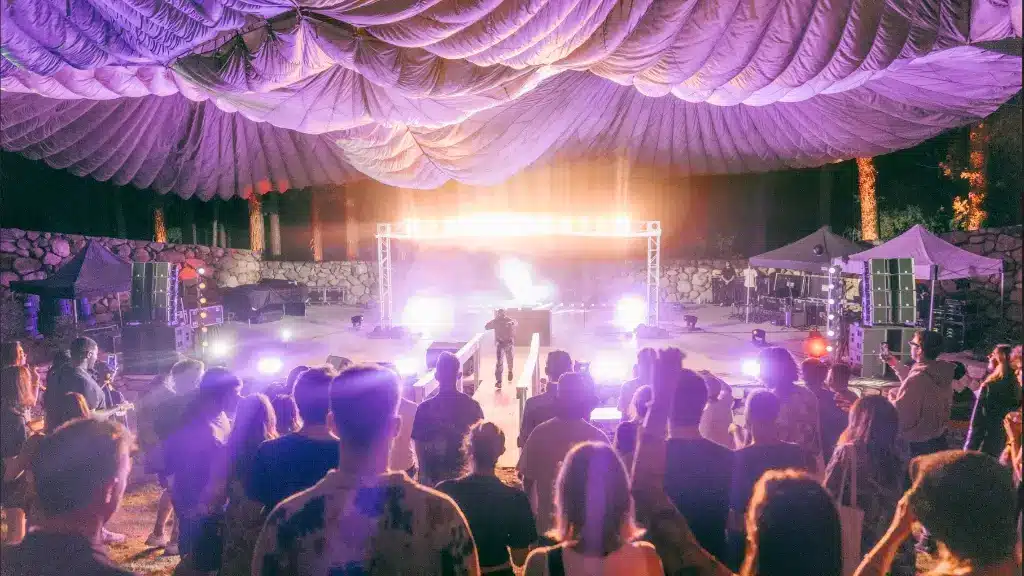
Web3 technology is fundamentally changing how creatives can monetize, connect with fans, and manage their content. Decentralized platforms, tokens, and smart contracts offer new ways to monetize, but they also challenge traditional intermediaries and business models. In this blog, I’ll explore how creatives can leverage the opportunities Web3 offers and new ways fans can participate in supporting and monetizing content. Tokens: new concert tickets and fan clubs From a revenue perspective, the core of an artist's relationship with a fan is a token, which is a digital token. A token could be compared to a Linnanmäki amusement park ticket: you can't get to the rides at an amusement park directly with euros, but by buying a ticket, you can get to the ride of your choice. In simple terms, a token is the digital equivalent of a single ticket, but in web3, the uses of a token are often more diverse, and their value can increase over time. No middlemen: direct connection to fans Traditionally, musicians have been dependent on major record labels and streaming services for the distribution of their music. This has often resulted in a significant portion of revenue going to middlemen: publishers, labels, agents, and other professionals who act as intermediaries between the artist and the audience. With the new internet, decentralized platforms enable direct communication with fans without intermediaries. For example, platforms based on blockchain technology allow artists to publish their music directly to the public, while retaining full ownership of their works. They can use smart contracts to determine how the use of the work is regulated and how, for example, the revenue from sales is allocated to the music creators. Traditionally, the connection with fans has been used as the basis for marketing: various mailing lists have been the basis for marketing, through which those who like the content created by the artist have been informed about new releases, for example. In the Web3 era, the role of the fan has been thought of differently: the fan is more of a partner than an object. "Engage-to-earn" at the heart of the new fan culture The engage-to-earn model is a new approach where both artists and fans benefit from active participation and interaction. In this model, artists can create digital tokens or NFTs (non-fungible tokens) that represent, for example, access to exclusive content, events, or other benefits. Fans can earn these tokens by engaging in various activities, such as sharing the artist’s content, participating in discussions, or completing certain tasks. This creates a two-way relationship where fans receive rewards for their activity, and artists benefit from increased visibility and an engaged audience. For example, in the music industry, Audius.co is a decentralized music streaming platform that aims to provide a fairer model for artists and fans compared to platforms like Spotify. The platform allows artists to release their new music directly to their fans without intermediaries and charges an introductory fee that gives the fan perpetual listening rights to the content. The content comes with access to a fan club that offers direct interaction between artists and fans. For example, electronic music composer and producer Dave Tipper has released his music on the platform and offered fans $AUDIO tokens, which give access to, among other things, fan-only events and through them become part of the subculture created by fans. Mirror.xyz, a platform for writers, allows content creators to publish their works. One of the platform’s successful experimenters was young author John Palmer, who wanted to publish an essay on his Mirror website. He sold tokens called $ESSAY, the proceeds of which were used to finance the writing of the essay. The agreement was that once the funding goal was reached, the essay would be published, and token holders would receive a share of something that could grow in value over time. The crowdfunded finished essay was sold on the online auction platform Zora. The proceeds were funneled back into the $ESSAY contract, increasing the value of each investor’s $ESSAY holding relative to the total value of the contract. Decentralized financial services enable fans to participate as investors in artists’ projects. For example, fans can invest their funds in an artist’s new album or film project and receive a share of future revenues in return. This model utilizes smart contracts that ensure automatic and transparent profit distribution to both the artist and fans and other parties specified in the smart contract. From fan to participant In the Web3 world, fan participation doesn’t necessarily stop at the role of an investor. They can also participate in decisions related to the development of artists’ careers and financial success by joining decentralized autonomous organizations (DAOs). In these communities, fans acquire tokens that give them voting rights and the ability to influence the artist’s activities. The Audius.co platform I mentioned earlier is governed by Audius token holders. These include both artists and fans. Token holders can vote on decisions related to the development of the platform, such as new features or terms of use. This model gives fans the opportunity to directly influence the operation of the platform and the visibility of artists, which can improve the financial opportunities of both fans and artists. One of the DAOs for artists, creative professionals, and fans is the Friends with Benefits (FWB) community. Membership in the community is achieved by acquiring a certain number of FWB tokens, which grant both entry and voting rights in community decision-making. FWB functions as both a social club and a funding crypto community. FWB organizes various events and festivals for its members, combining music, art, and cryptocurrency-related discussions. For example, the festival held in the summer of 2023 was open to members as well as a group of ticket holders (the ticket price was $399). The festival program included a diverse selection of speakers from technology to art. The event included a cinema, free generative art workshops organized by the NFT platform Highlight.xyz, yoga classes, DJ gigs, and a tennis tournament, where many participants dressed in all-white tennis attire. The educational speeches focused mainly on internet culture and in particular on the use of artificial intelligence in creative projects. In addition to the festival itself, the key benefit was a network of people interested in similar things, living as virtual and, at times, physical communities. Through DAOs, fan participation can lead to deeper engagement and financial benefits for both fans and artists. Fans are given the opportunity to influence the direction of artists' careers and financial success, and also to build activities that, in addition to inspiring content, promote networking and support the development of the creative industry. Only need 1,000 fans? In 2008, Wired magazine editor-in-chief Kevin Kelly introduced the idea of "1,000 True Fans," which states that an artist only needs 1,000 dedicated fans to succeed. Since then, Kelly's essay has been extensively updated and translated into many languages. The starting point of the idea is that if fans spend $100 per year on the products of the artist they admire, the artist would achieve an annual income of $100,000. This amount was therefore thought to be transferred more or less directly from fan to artist. However, in reality, complex production chains and professionals from different fields challenge the 1,000 fan theory. More and more artists can share their creations with the world at the touch of a button, enabling them to reach an ever-wider audience. They are drawn to the content, but also to the opportunity to interact with the creators of the creative content on a whole new level. But could the theory be reversed in the era of limitless digital communication, fueled by Web3? Could the reduction of intermediaries generate greater income for artists, or will the intermediaries simply change their roles while still receiving compensation for their professional contribution? Web3 may bring the 1,000 real fans theory closer to reality. Cutting out middlemen and engaging fans can increase an artist’s earnings, but they don’t eliminate the need for brand building, community management, and marketing. While blockchain and tokens bring new opportunities, they don’t automatically make an artist successful – it still requires audience engagement and ongoing interaction. The future will show how well Web3 delivers on its promise for the creative industries: is it a revolution or just another development in the digital economy? SOURCES Borg, J. (2024). Superfans: Why They’re Vital for Artists in the Algorithm Era. Amplify World Resources 18.1.2024. https://amplifyyou.amplify.link/2024/01/music-superfans/ Fenton, W. (2023). What is Web3 for music & how is it changing the industry? Midder. The Future of Music News 24.11.2023. https://middermusic.com/web3-for-music/?utm_source=chatgpt.com Fernandes, M.P. (2023). Crypto Clubs Throwing Summer Parties: Inside The Friends With Benefits DAO Festival. Forbes 10.8.2023. https://www.forbes.com/sites/digital-assets/2023/08/10/crypto-clubs-throwing-summer-parties-inside-the-friends-with-benefits-dao-festival/ fi.music396.com. Fanien sitoutumisstrategioiden mukauttaminen digitaalisiin alustoihin ja kulutustrendien muuttaminen (n.d.).https://fi.music396.com/topic/adapting-fan-engagement-strategies-to-digital-platforms-and-changing-consumption-trends/167277 Gottsegen, W. (2021). How Emily Segal Crowdfunded Her New Novel with Crypto. Deepdive Crypto profiles 24.2.2021. https://decrypt.co/68981/emily-segal-novel-crowdfund Marco J.D. (2022). The Musician's Guide to Web3. Mega Labs Article 6.7.2022. https://www.thelab.report/the-musicians-guide-to-web3/?utm_source=chatgpt.com Nittolo, T. (2024). A Peek Into The Tipper Community. Audius blogit 21.11.2024. https://blog.audius.co/article/a-peek-into-the-tipper-community Palmer, J. (2021). Using an Ethereum NFT to Crowdfund my Writing. Mirror.xyz 26.1.2021. https://j.mirror.xyz/OgVaYso25gEqxn7N4RyPnPbMO9pbNQJZQKEUvV9pxv8 Umana, D. (2024). Jack Harlow, Palaye Royale, and other music artists are using blockchain to connect with fans — and build profitable online communities. Business Insider TECH 16.2.2024. https://www.businessinsider.com/music-platforms-blockchain-artist-create-fan-clubs-communities Katri Halonen (Metropolia University of Applied Sciences) works as a project manager in the LUME – Creatives in the web3 era project, co-funded by the European Union, which focuses on new revenue models in the creative industry.
A new era of fan service
I was a Dingo fan when I was young. I first saw them on stage at my hometown vocational school and joined the fan club. My friend and I would share photos of our idols. Today, with social media, fan engagement has transformed into following, liking, and purchasing products. What if fans could be more involved – not just as distant admirers, but as part of a community where they could have a more personal experience and be recognized for their participation? The new internet (Web3) is opening doors to fan services, where tokens enable fans to experience unique experiences, exclusive content, and completely new types of fan services. In this blog, I dive deeper into how Web3 can change the way fans and artists meet. Tokens as a bridge between artist and fan A key challenge in fan relationships is communication. The new internet offers one solution to this challenge in the form of blockchain. The information stored in the blockchain is public, which allows artists to establish a direct connection with their fans by utilizing the fan's unique crypto wallet address. Knowing this address, artists can send their fans digital gifts in the form of tokens. However, it is important to note that the crypto wallet address alone does not contain personal information about the fan, which guarantees the privacy of users. A token is a digital unit that represents value or rights on a blockchain. It can act as a means of payment, a right to use a service, or an ownership interest in an asset, such as special content or services provided by a creator. Tokens act as a bridge in both directions. For example, American rap artist Snoop Dogg has moved his Death Row catalog to a platform called Tune.FM, thereby declaring that the era of Spotify is over. Tune.FM is a decentralized music streaming platform that utilizes blockchain technology and tokens called JAM. When a fan listens to Snoop Dogg's music on Tune.FM, he pays for his listening with tokens. These payments are transferred directly to Snoop Dogg without intermediaries. (Syväluomi 2025.) The payment is very small in nature, the price of one JAM token is approximately 0.0001753 (USD) at the time of writing. Compared to a traditional streaming service, this provides a fairer compensation for the artist by bypassing many intermediaries. Snoop Dogg also gets a direct connection to reward his fans, for example with a token that entitles them to purchase one concert ticket 2 hours before the actual sale starts. Stardust over content creators Traditionally, fan culture has been built around well-known creators and performers. Musicians, actors, and other major stars in entertainment have benefited from fan communities that are willing to purchase fan merchandise directed at them. That connection is nurtured and strengthened through performing. At the same time, many other creative content creators, such as visual artists, writers and designers, have been overshadowed as builders of fan services. Their work has not been based on direct, systematically maintained audience contact in the same way. However, fan services of the new internet can change this situation: they offer new ways to support and fan the creative professionals who traditionally work in the background. Any creative can build their own fan communities, where passionate supporters can participate, influence, and be recognized for their support. Specialized and even unique content can find their own fan base thanks to the global internet. Exclusive tickets – more than just an event ticket Traditionally, an exclusive ticket has meant a front-row seat to a concert, a premiere, or VIP access to a festival. In the new internet world, such tickets can be transformed into digital tokens owned by fans that offer additional benefits. Music and film fans can purchase special tickets that entitle them to, for example, an artist’s soundcheck or a film premiere discussion with the director. For example, Kentucky rapper Jack Harlow has sold VIP tickets to his concerts in the form of NFTs. Compared to regular tickets, the holders of these tickets had, among other things, faster entry and early entry to the concert venue to grab the best seats (see Kubinek 2023; Bincnce 2023; Halonen 2023). Entrepreneur Gary Vaynerchuk has launched the VeeFriends NFT collection. Each NFT grants entry to VeeCon (see VeeCon 2024). The event will run over several days, and the NFTs will serve as both collectibles and access to events hosted by the artist and other community members. For example, Elton John’s Rocket Club NFT membership gives access to the artist’s special photo collections (Sweetio.com), and Snoop Dogg’s The Passport Series NFT gives its owner the opportunity to accompany Snoop Dogg in the backrooms of concert venues and events on his tours (Langston, 2023). Martha Stewart and Quentin Tarantino also have their own NFT communities (Langston, 2021). The content of different VIP events is very diverse. Film fans can participate in NFT-based viewing experiences, where the film's director or lead actors discuss the film with fans. In the theater industry, closed readings can be organized, where fans can follow how a new play is being developed. In literature, VIP events can mean, for example, exclusive literary circles, where an author discusses his works with fans, and designers can invite their fans to design launches, where new collections are presented before official sales. A peek behind the scenes of creative work as a service for fans Especially during the corona years, a digital leap was taken towards remote participation. Zoom, Teams and Google Meet became familiar to many. These also led to the spread of digital artist meetings aimed at fans. There is no need to travel to the meeting, and everyone (including the artist) is physically safe behind their own screen. For example, director Kevin Smith (n.d.) released her film "KillRoy Was Here" in NFT form, giving NFT buyers not only the film but also the opportunity to participate in virtual meet & greets with Smith and access to behind-the-scenes footage. In addition to stars, people also want to meet creative professionals who stay behind the scenes. For example, the meeting site Charitybuzz.com has sold an hour-long Zoom remote meeting with, among others, The Walking Dead director Rosemary Rodriguez (Charitybuzz, 2025). Authors can sell special edition NFT books that entitle them to a private Q&A session, for example regarding alternative story endings. On the non-fiction side, Amanda Cassatt's (2023) Web3 Marketing book came with a limited-time purchase of the book, along with the right to join her private Discord group, where you can meet Amanda and other Web3 marketing developers. Visual artists can offer access to closed art tours that explore the creation stories of their works, while designers can sell limited tickets to prototype exhibitions where fans can provide feedback before the wider launch of products. A new era of fan culture In the Web1 era, mailing lists were collected from fans, in the Web2 era, various social media data and information provided by cookies in website tracking became the source of fan information. In the era of the new internet (web3), blockchain plays a key role in reaching fans. The tokenized services offered by the new internet not only deepen the relationship between artists and audiences, but also expand the concept of who can be fanned and how. Fanning is no longer just a domain dominated by the performing arts – writers, artists and designers can also build their own communities where fans can participate and influence more than before. So perhaps the title of my blog should have been a new era of fan culture instead of a new era of fan services. When I was young, joining the Dingo fan club and sharing photos with a friend, I felt a connection of sorts – even if it was a one-sided fandom. The new internet allows today’s fans to have a deeper and more personal connection with their favorite artists. With the help of blockchain, fans can own digital collectibles, participate directly in events organized by artists, and receive recognition for their activism. This development is transforming fandom from one-way admiration to an interactive community where fans are active participants and influencers. Sources Binance News (2023). Jack Harlow's Concert-Goers Experience Blockchain-Based VIP Tickets. Binance News 5.12.2023. https://www.binance.com/en/square/post/2023-12-05-jack-harlow-s-concert-goers-experience-blockchain-based-vip-tickets-983371762130 Cassatt, A. (2023). Amanda Cassatt on Web3 Marketing and the early days of Ethereum. Decrypt @DecryptMedia 25.10.2023 https://www.youtube.com/watch?v=p-LhIrf7Jco kohdassa 36 min). Charitybuzz (2025). https://www.charitybuzz.com/catalog_items/auction-1-hour-power-meeting-with-walking-dead-director-3129433 Halonen, K. (2023). NFT haastaa konserttien lippubisneksen. Metropolia AMK, LUME blogit 30.8.2023. https://blogit.metropolia.fi/lume/2023/08/30/nft-haastaa-lippubisneksen/ Kubinec, J. (2023). How MITH brought Jack Harlow fans to the blockchain. Blockworks newsletter 2.12.2023. https://blockworks.co/news/jack-harlow-mith-fan-engagement Langston, T. (2021). 15 Celebrities Who Are an Active Part of the NFT Community. NFT Now 10.11.2021. https://nftnow.com/culture/stars-active-in-nft-community/ Langstion T. (2023). Snoop Dogg Takes Fans on ad Digital Journey With New NFT Passport Series. NFT Now 14.6.2023. https://nftnow.com/news/snoop-dogg-takes-fans-on-a-digital-journey-with-new-nft-passport-series/ Smith, K. (n.d.). Kilroy was Here. Katsottu 13.3.2025. https://killroywashere.io/ Sweetio.com (n.d.). Elton John Rocket NFT Club Pass No. 1466. https://sweet.io/listings/pgWR0ajK Syväluomi, V. (2025). Snoop Dogg vie Death Row -kataloginsa Tune.FM:ään -- Soprityn aika on ohi. Klangi 28.2.2025. https://www.klangi.fi/uutiset/snoop-dogg-musiikki-tune-fm-web3-suoratoisto/ VeeCon event (2024). Lippukauppa. https://veecon.co/tickets Katri Halonen (Metropolia AMK) toimii projektipäällikkönä Euroopan unionin osarahoittamassa LUME – Luovat web3-ajassa hankkeessa, jossa keskitytään luovan alan uusiin ansaintamalleihin.
Combine24: experiencing and making art
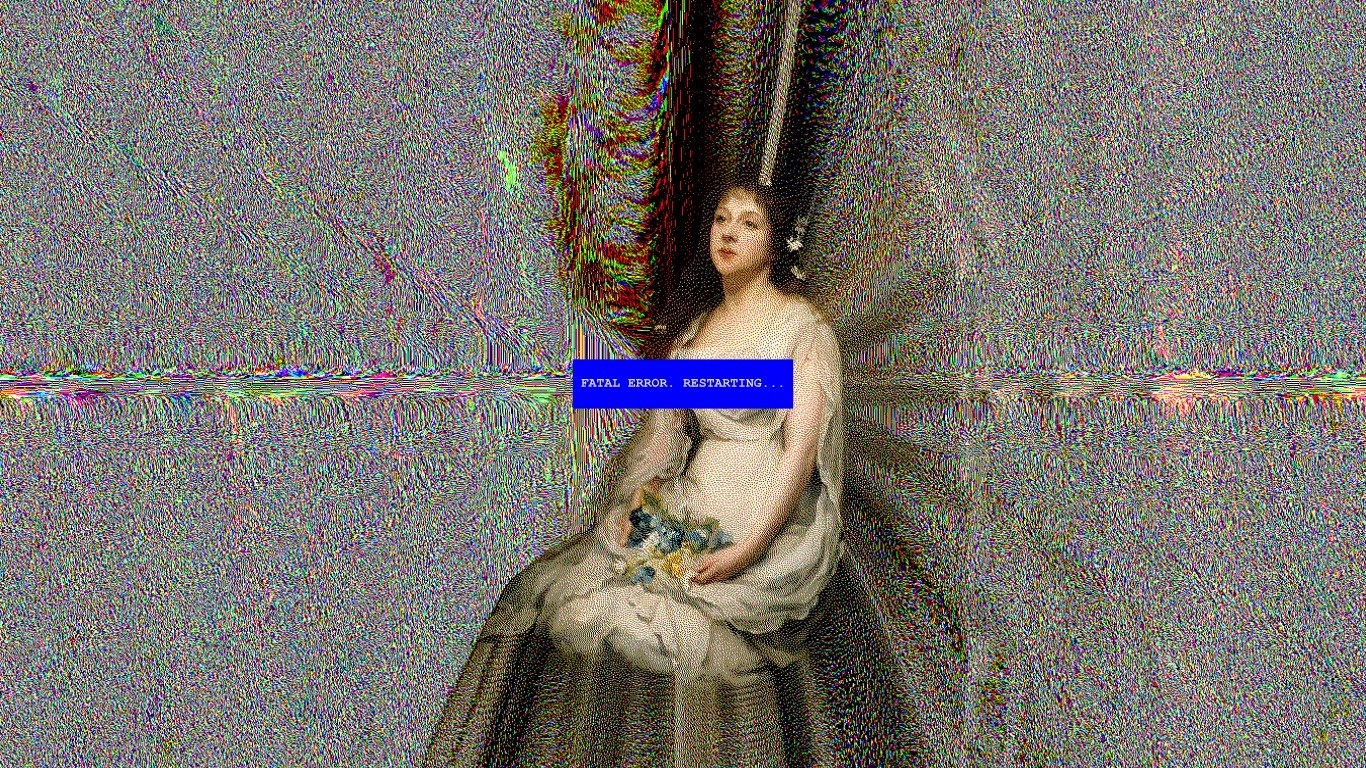
Traditionally, art has been based on physical materials and the skill with which they are handled. The role of the artist has been to create, illustrate and tell stories using paint, clay, stone or other concrete media. With digitalization, the form of art making has expanded, and the inclusion of artificial intelligence in the creative process raises the question (Salonen 2023): is a human an artistic actor, even though artificial intelligence is part of creative work? Art can even be produced by algorithms and technology, changing not only the way art is created but also the way it is experienced. The Combine24 competition organized by the National Gallery embodies this shift, where traditional and digital art meet in a new kind of creative process, an interaction between man and machine. The process of generative art English art critic and teacher Harold Osborne (1988) defines generative art as geometric abstraction in which a basic element, such as an artificial intelligence-based algorithm, creates new variations by changing the original initial parameter based on set rules. Unlike traditional art, where the work is static, generative art is constantly changing and real-time. Theorist Matt Pearson (2011) describes generative art as a process that combines logical and cold programming with creative, emotional expression. In this form of art, collaboration between humans and machines, or co-creation (Lundman, Nordström, 2023), opens up new possibilities for creation. At the heart of co-creation is the idea that creativity is not exclusively human-centered, but that machines can be part of the creative process, and this collaboration can expand the boundaries of human imagination. The National Gallery of Finland’s Combine24 competition exploits this concept of co-creation, where algorithms created by artists and artists together create new works, offering viewers the opportunity to participate in the creation, modification and ownership of the work. The competition focuses on generative art, which is more than a single work. The competition instructed artists to use the National Gallery’s historical art collections as raw material and create new art from them based on an algorithm, whereby the final result is generated randomly within the framework of programmed rules. Each result is a unique variant – just like each viewer experience. You may touch! One of the most interesting features of the Combine24 competition is the active role of the viewer. This involvement transforms the traditional passive art experience into an interactive and creative process in which the viewer is a participant. THL also sees the idea of participation expanding from mere presence, participation, to a way of active influence, participation, where people influence and are involved in decision-making (2024). This participatory model represents a broader trend in the cultural sector, where the audience is encouraged to be active actors, whereby creativity is no longer limited to art actors and professionals (Halonen, 2019). The Remix the Archive exhibition, which features the works of Combine24 finalists, is a physical space in Helsinki where visitors can modify the works displayed on screens with their own touch by pressing the Remix button. Viewers are no longer just passive observers, but co-creators of the work. This interactivity makes experiencing art a personal and participatory process, where the viewer can feel part of the creative process. The public also has the opportunity to influence and vote for one of the three winners, which adds more meaning and personality to the participation. Dialogue between art and technology Combine24 combines the National Gallery's historical collections with modern technology in a way that raises questions about authorship. The works are not simply based on the creations of past masters, but generative artworks create a whole new reality, where historical elements serve as the basis for modern algorithms. Here, traditional craftsmanship and technological innovation meet. The use of technology also changes the authorship of a work of art. Previously, the artist was solely responsible for the final work, but now the creative process is shared and interactive. The question that arises is: who is the true creator of the work? The programmer of the algorithm, the creator of the original work of art, or the viewer, who actively influences the final result, and without whom a certain variation would not even exist? By combining elements of past art and modern technology, Combine24 provokes reflection on how art is interpreted and who is responsible for the final result. NFTs and new revenue models for art The encounter between art and technology continues even after the art is created. The Combine24 works were built and published on the Highlight.xyz platform, which serves as the technological backbone of the competition in the creation, presentation and commercialization of art. With the platform's tools, artists can combine different data feeds, materials and libraries, such as the National Gallery's CC0-licensed collection data, and create unique works from them. Art lovers can create variations of works in real time and also purchase them as NFTs (Non-Fungible Tokens), offering a new way to own and monetize digital artworks. Traditionally, owning a work of art is associated with a physical object, but NFTs enable ownership of digital works using blockchain technology. The artist can decide their own revenue logic, for example by pricing each work separately, publishing a limited edition of works, or giving the works away for free to collect, in which case the artist can take advantage of Highlight’s protocol fees. NFT technology also enables artists to earn royalties from subsequent resales. This gives artists a continuous connection to their works and their commercial value, even after the work has already been sold. As part of the future of art Combine24 is a great way to start a conversation about how art from the past and technology from today can meet, create something new, and challenge old ways of thinking about human-machine collaboration. Algorithmic art and NFT technology open up new possibilities for both the creation and ownership of art, while giving the viewer an active role in the life cycle of an artwork. The entries in the competition demonstrate that art is not a passive experience, but an interactive and constantly changing process in which the viewer, artist and technology work together. Combine24 is a window into the art of the future – a world where algorithms and archives of the past merge to create a new kind of interactive, participatory art. More info on COMBINE24 https://combine24.alusta.art Combine24-kilpailun työt Highlight-alustalla Remix the Archive -näyttely The Remix the Archive exhibition will be held in Helsinki from 20 September to 26 October 2024 at Teollisuuskatu 9D in Vallila, opening hours Tuesday-Saturday 12-18. This exhibition offers the opportunity to experience and edit the works from the Combine24 competition and see how the past and the future can meet through art. https://www.hs.fi/menokone/events/140218 Sources Halonen, K. (2019). Nuorten osallistaminen on tunnetta ja toimintaa. Osuma-hanke blogi 9.1.2019. Metropolia Ammattikorkeakoulu. Lundman, R. & Nordström, P. (2023). Creative geographies in the age of AI. Transactions of the Institute of British Geographers: Volume 48, Issue 3. Osborne, H. (1988). The Oxford Companion to Twentieth-Century Art. Oxford University Press. Pearson, M. (2011). Generative Art: A Practical Guide Using Processing. Manning Publications Co. Salonen, P. (2023). Tekoäly rynnii taiteeseen. Taidelehti 3/23 THL. (2023). Osallisuus yhteisöissä ja vaikuttamisen prosesseissa. Terveyden ja hyvinvoinnin laitos. Marja Konttinen works as an expert in the LUME project, co-funded by the European Union, which focuses on the latest earning models in the creative industry.
Metaverse inspires new ways of meeting in Web 3.0
The creative industry is buzzing. In recent years, blockchains such as NFT, DAO, VR and XR have been increasingly mentioned in conversations. These are related to the web 3.0 development process, which is currently in its growth phase. This blog outlines what decentralized web 3.0 is. At the core of the blog, I am looking for an answer to what the metaverse is and how it relates to the future of creative industry players. Metaverse – a new operating environment for the creative industry The development of the Internet can be summarized in a simplified way, for example, as follows: Web 1.0 was an environment built into a network through hyperlinks, where we could see the content that was uploaded. Web 2.0 brought interactivity, which allowed users to also produce content for the internet, for example through social media. Web 3.0, which is still in development in many ways, brings with it a new kind of immersion, where the user works through an avatar in the artificial reality of the internet. There, physical and virtual reality blend more closely than before. Another dimension is created: the Metaverse, which is built from the words meta (including border-crossing) and universe. Diving into the metaverse is not only about the user experience, but also, to a large extent, about the ownership of one's own information and the underlying blockchain-based approach. In current technology, the mask used in diving is devices or sensors that are attached to people and have virtual reality programs installed on them. User interfaces are developing rapidly, and increasingly agile solutions are expected in the future. For the creative industry, the metaverse offers new global audiences and a platform to experience and offer new types of interactive and immersive experiences. The revenue logic is also different, as verification of ownership and trade of a work can be done without intermediaries, or at least with fewer intermediaries. At the core, communities instead of corporations Instead of platforms owned by large corporations or media companies, the new Web3.0 economy seems to be built, at least in part, on user activity and engagement. The user is an active part of the network, not a reader of advertisements. This bodes well for the creative industry. When the future of content production is decentralized, rather than controlled by large corporations, it is also shared and accessible to everyone. We no longer have to rely on large corporations or media companies to create content for us. Instead, we can create our own content and share it with everyone else in the world. Decentralized governance is implemented through the rapidly evolving blockchain technology. In a blockchain, non-participating actors can jointly produce and maintain databases in a decentralized manner. The artist, like anyone else who makes transactions on the blockchain, has access to view the contents of the blockchain. When each transaction is recorded provably and securely distributed across multiple machines in the community, the database is difficult to forge. A work sold on the blockchain also carries the original artist's information. If the work were to be resold, the original creator would have the opportunity to receive a portion of the purchase price. With success comes fame and glory, but the blockchain also enables continuous money production from resales of the work and, through it, potentially significant value development. New ways to engage with the audience One dimension of Web 3.0 is the metaverse, which forms a new digital meeting place – also between artist and audience. Avatars create a new digital meeting place that is not limited by national borders. The meeting can be about artistic content, but at its core it can also be, for example, a meeting with the artist and a moment of shared discussion. That is an opportunity that we in the Nordic region are not often given, at least not with top international artists. There is also a more ideological basis present in the public encounter. The art user can control their own data through smart contracts, receive additional digital services as part of their purchase, and follow the path of their purchase back to the original sale to ensure its authenticity. Platforms and new operating models offer an exciting new arena for creative expression. They offer, among other things, new ways to present artistic work and reach a wide audience around the world, new opportunities to monetize artistic products and services, and create immersive experiences. They also potentially bring new (younger) audiences to cultural content. Web 3.0 is evolving through various pilot projects: countless players are testing and agilely developing new platforms and services. An old Chinese proverb states that the best time to plant a tree was 20 years ago, the second best is now. Web 3.0 offers creative players a space of opportunity, the methods of which are currently being created. The best time to jump on board may well be now. Sources Frankenfield, J. (2022). What are smart contracts on the Blockchain and How They Work. Investopedia.com 24.3.2022 Kannan, S. (2022). Web3. Technopedia.com 18.5.2022. Malik, N., Wei, Y., Appel, G, & Luo, L. (2022). Blockchain technology for creative industries: Current state and research opportunities. International Journal of Research in Marketing 4.7.2022. Rennie, E., Holcombe-James, I., Kushnir, A., Webster, T. & Morgan B.A. (2022). Developments in Web3 for the Creative Industries. A Research Report for the Australia Council for the Arts. RMIT University Blockchain Innovation Hub. Whitaker, A. & Kräussl, R. (2020). Fractional Equity, Blockchain, and the Future of Creative Work. Management Science 23.7.2020.

Tämän blogin kirjoituksia ja toimitustyötä on tuettu vuoden 2023 loppuun asti Euroopan unionin sosiaalirahaston Luovat metaversumissa esiselvityksen osarahoituksen avulla ja vuoden 2024 alusta Euroopan unionin sosiaalirahaston osarahoittaman LUME – luovat web3-ajassa -hankkeen avulla.
Tässä blogissa käydään ammattilaiskeskustelua web3 kehittymisen myötä avautuvista uusista toiminta- ja ansaintamahdollisuuksista sekä ajankohtaisista ilmiöistä. Blogissa julkaistaan asiantuntijatekstejä, haastatteluja ja kantaa ottavia tekstejä, videoita, podcasteja tai niiden yhdistelmiä. Kirjoittajat ovat Metropolian ja sen yhteistyöorganisaatioiden asiantuntijoita. Haluatko julkaista Luovat web3 ajassa -blogissa? Ota yhteys päätoimittajaan sähköpostitse.
– Katri Halonen (päätoimittaja), yliopettaja, Metropolia Ammattikorkeakoulu, katri.halonen@metropolia.fi, p. 050 362 6407
– Leena Björkqvist, lehtori, Metropolia Ammattikorkeakoulu
– Jyrki Simovaara, lehtori, Humanistinen ammattikorkeakoulu
– Mayreth Wolff, lehtori Humanistinen ammattikorkeakoulu
Sähköpostiosoitteet: etunimi.sukunimi@metropolia.fi
Toimituskunta toimittaa Luovat web3 ajassa -blogin sisällöt ennen julkaisua.
Haluatko julkaista Luovat web3 ajassa -blogissa? Lue oheiset ohjeet (pdf) ja ota yhteys päätoimittajaan sähköpostitse.
Termipankki on tehty navigointiohjeeksi Metaversumiin.



AI ansaintalogiikka bitcoin Coldplay DAO Digital heritage digitalisaatio esineiden internet ESR osarahoitus fani fanit ikäpolvet inkluusio IoMusT IoT johtaja kesä2025 konsertti krypto kulttuurituotanto lippu lohkoketju luovat alat metaverse Metaversumi musiikki NFT satoshi sijoittaminen sustainability tasa-arvo tekoäly tokeni web3 Web3.0 yhteisöllisyys älysopimus