
Are you ready for the Web3 world? Meeting of the digital generations in the cultural sector

Some of us will remember the time when theater tickets were bought at the box office with cash and movies were rented on VHS tapes. For others, TikTok videos and Netflix marathons have been part of everyday life since they were young. The digital divide between generations is visible in many everyday situations: one colleague still prints out emails to read, while a younger team member wonders why information isn’t retrieved from the cloud on a mobile device here and now. In the same workshop, there may be both a digitally savvy young person and a more experienced veteran who remembers a world without the internet. So it’s no wonder that views on the possibilities of new technology can differ. In this blog post, I reflect on how different generations think digitally – and how you could update your own thinking by recognizing these differences Digital worlds of different generations – from analog childhood to the Web3 era Generations have surprisingly different attitudes towards technology. In her book Ihminen 2030: Ihmislähtöisyyden uusi aika (Human 2030: The New Age of Human Orientation), Titta Vaulos (2024) examines different development trends and also considers the digital divides of generations. The technological generational divide – that is, which digital generation you belong to – can have a significant impact on how we relate to the new internet, Web3, and, for example, data sharing or digital ownership. Finnish generations have been defined slightly differently in different publications, so I will continue along the same lines, from a technology perspective: Baby boomers (1945-1960) are known as the large age group that began their working lives without a computer and still remember the widespread use of color television in Finland. They enjoy watching TV, also read printed newspapers, and many can best be found on social media on Facebook. Generation X (1961-1980) prefers to shop in brick-and-mortar stores, but also enjoys the ease of online shopping. They are like bridge builders in the digital world between the analog and digital worlds. Millennials, or Generation Y (1981-1997), have been introduced to the digital world early on: many millennials remember a crackling modem and their first cell phone from their childhood. Now they are creating on social media like a fish in water and are among the first to test innovations. Generation Z (1998-2010), also called the swipe generation, is a completely digital generation. Generation Z youth have grown up surrounded by technology and do not know the world before smartphones and the internet. For the global Generation Z, the internet is part of everyday reality: if a product is not available online, it does not exist. Alpha Generation Alpha (2010–2025) is growing up amidst smart devices, voice control and algorithm-driven content. Their digital world is increasingly built on artificial intelligence and personalized data. Alphas don’t just use technology – they converse with it. Although these generational definitions are inevitably generalizations, they help us to understand phenomena. Still, an individual's attitude, curiosity and experience are more decisive than the year of birth. There are seniors who master the secrets of 3D modeling, and young people who struggle with sending an attachment. Sitra's (2022) digital profile test offers an excellent tool for introspection. It measures information, attitudes and ways of acting in a digital environment – and as a result, you get a digital user profile from among nine types. Web3 challenges all generations – perhaps the alphas least of them all Common to all current adult generations is growing up in Web1 and Web2 environments. Web3, a new kind of internet, challenges our previous ways of thinking about digital. It is based on decentralized technologies such as blockchains, cryptocurrencies and NFTs. While these terms may sound foreign to younger generations, their attitude is often more curious and fearless. They have already used virtual currencies in games and built their identities as avatars. Even if they don't understand everything technically, their mindset is flexible. This doesn't mean that every veteran in the cultural sector should start their own crypto project - but it does mean that it's worth updating your thinking. The younger generation doesn't make such a sharp distinction between the online and the real world. For them, Web3 is a natural continuation. What does Web3 look like in the cultural sector? In the cultural arena, Web3 may mean that audiences expect more participatory experiences: for example, the ability to influence the course of a performance or own a digital collectible that has value in the community. Young people may consider NFTs as valuable as physical fan merchandise. Three ways to bridge the digital generation gap: Talk across generations. Ask your younger colleague, for example, “What do you think about this NFT thing?” and listen with an open mind. Maybe you’ll end up comparing ideas over a cup of tea – and you’ll both learn something new. Try something new. When you come across a new tool, don’t first think “I can’t do this”. Click, try it and be amazed. Create an account on a Web3 service or follow a discussion on the topic. Curiosity is the best digital literacy. Use everyday metaphors. If NFT seems difficult to understand, think of it like a print from a fine art print: a limited, unique piece, but digital. Analogies help you visualize new technology through familiar things. In the midst of all this technology, the human being is still at the center – regardless of age (Vaulos 2024). Generational differences in digital thinking are not obstacles, but opportunities to build bridges. This ability to empathize is already strong in the cultural sector – now it is also needed in understanding technology. So, dare to update your thinking, try something new, and jump in to build bridges between generations. The next creative breakthrough may be waiting right where tradition and new technology meet. And best of all, no one is left alone in this development: together we can ensure that the new internet is equally our internet. Sources DNA (2024). Digitaalinen elämä 2024 tutkimus. https://corporate.dna.fi/documents/94506/11594975/DNA%20Digitaalinen%20elämä%202024_open_päivitetty.pdf/ Kanervo, R. & Soikkeli, E. (2923). Digitaidot – uhka vai mahdollisuus? Laurea Journal 1.3.2023. https://journal.laurea.fi/digitaidot-uhka-vai-mahdollisuus/ Kurio Social media agency (2023). Gen.ALPHA. Meet the Lardest & Wealthiest Generation in History. Simy Alliance. https://samy.com/en/insights/en-landing-page-gen-alpha/ Sitra (2022). Digiprofiilitesti – digiprofiilit ja vinkkejä. Sitra. https://digiprofiilitesti.sitra.fi/ Suomen Tiedeakatemia. (2022). Digitaalisen median vaikutukset lapsiin, nuoriin ja ikäihmisiin. https://acadsci.fi/tiedeakatemian-julkaisut/sofi-hankkeen-julkaisut/digitaalisen-median-vaikutukset-lapsiin-nuoriin-ja-ikaihmisiin/ Vaulos , T. (2024). Ihminen 2030: Ihmislähtöisyyden aika. Alma Insights.
Fan 3.0 – From passive consumer to active owner

Web3 technologies offer fans new ways to participate in the careers of their favorite artists, not only as consumers but also as active actors and investors. In this blog, I will examine how fans can leverage the opportunities offered by Web3 to become involved in artists' decision-making, participate in the financing of works, and receive a share of the artist's earnings in return for their input. Active time of micropayments Traditional music streaming services like Spotify act as intermediaries between artists and listeners, often meaning that artists only receive a fraction of the revenue. Web3 technologies offer the opportunity to bypass these intermediaries and allow fans to pay artists directly in micropayments for each listen using smart contracts. For example, Snoop Dogg has taken his production to the TuneFM streaming service, where fans pay directly to the artist for listening. The fee is 10-100 times higher than Spotify's fees (Dalugdug 2024). In addition, the range of services is significantly wider than on a traditional streaming platform. For example, TuneFM offers fans unique benefits and experiences, such as backstage access, meetings with artists, VIP packages, merchandise products, video calls, and limited access to fan clubs and group chats with the artist, where news and behind-the-scenes content are shared. (Dalugdug 2024.) Digital ownership opens access to the artist's world Virtual communities of the new internet DAOs: (Decentralized Autonomous Organizations) are decentralized communities where members can collectively make decisions and manage shared resources. They could be compared to a group of friends who make decisions together without a designated leader, using rules that everyone has agreed on in advance. In the context of this blog, the common interest of that group is the creator of creative content. As a shared DAO for fans, they can, for example, manage a shared fan fund to raise funds for joint projects or financially support creators of creative content. Such activities can be found, for example, in The Sphere DAO, which brings together theorists, artists, and those interested in technology. The Sphere community publishes original works that have been edited into digital entities and placed in the Metagallery for further development by other artists. Fans can financially support the creators of these original works, and when a certain level of funding is reached, rewards are offered for creating new versions. Through this, many artists have found a new life with the support of the community. (https://www.thesphere.as/ ) Audius offers fans the opportunity to invest directly in their favorite artists by acquiring and staking tokens on the platform. This not only supports the artists’ work, but also gives fans a say in the development of the platform. The platform features major electronic music names such as Skrillex and deadmau5, who distribute their music directly to fans without traditional intermediaries. (Audius.) The right of fans to participate in decisions changes the dynamic between the fan and the content creator. For example, fans can plan and implement marketing activities to increase the artist's visibility or influence, for example, where the artist performs, what kind of fan products are released, or in which direction the content creator's style develops. By owning these tokens, fans are no longer just consumers, but become part of the artist's decision-making process (Pools 2023). Becoming a partner For example, Snoop Dogg has released an NFT-formatted mixtape that encourages fans to remix his songs. This allows fans to participate in the creative process and potentially earn revenue from their own versions while sharing a portion of the revenue with Snoop Dogg. (Gottsegen, 2023). Another example is Canadian singer Grimes, who found her singing voice widely exploited by deepfakes. Feeling powerless to combat the phenomenon, she decided to instead release a better version of the deepfake and take a share of the revenue. Grimes launched a platform called Elf.Tech, which allows fans to use her voice in their own songs. Grimes shares the revenue with the creator of the new song in half. (Ross, 2023.) These examples demonstrate how Web3 technology enables fans to participate in artists' creative work and financial success, shifting traditional fan culture towards a more active and inclusive direction. Investing with love, but with consideration Web3 technology opens up new opportunities for fans to participate in and even invest in the projects of their favorite artists. However, it is important to approach these opportunities thoughtfully and with an awareness of the potential risks. One significant risk is emotional investing. Fans may make investments primarily for emotional reasons without thorough consideration, which can lead to financial losses. It is important to remember that while the emotional connection to an artist is strong, investment decisions should be based on careful analysis and an understanding of the potential risks. It is also important to carefully research the background, team, and goals of each project before making an investment decision. For example, clearly defined goals, open communication, and an active community are hallmarks of a trustworthy project. It is also good to keep in mind that the NFT and cryptocurrency markets can be very volatile, and the value of investments can fluctuate greatly in a short period of time. This can significantly affect the returns and value of investments. Therefore, it is recommended to invest only in assets that you are prepared to bear the potential loss of, and to keep a long-term perspective in mind when investing (see fiksukuluttaja.fi; sijoittajablogi.fi). Taking these factors into account will help fans make more informed decisions and reduce potential risks in their Web3 investments. In any case, the new internet seems to usher in an era where fans, in addition to their role as content consumers, have the opportunity to be active members of the community, influencing, supporting, and directly connecting with their favorite artists. This shift creates new opportunities for deeper and more meaningful interactions. Towards a new kind of fan investor culture While Web3 brings new challenges, it also offers the opportunity for a deeper, more inclusive, and more meaningful relationship between artists and fans. With technology, fans can be more than listeners or viewers – they can be influencers, supporters, community builders, and even participants in the creative process. New times require new thinking, but also the courage to experiment. By keeping in mind the principles of openness, consideration, and community, we can build a fan culture where the love of art is not just a private experience but a shared force. Fans 3.0 don’t just follow – they also create. And therein lies the power of the new generation of fan relationships. Sources Amplify (2024). AmplifyWorld Partners with Open Format to Successfully Reward Fans and Create Meaningful Artist-fan Communities. AmplifyWorld 10.12.2024. https://amplifyyou.amplify.link/category/fan-engagement/ Audius. https://audius.co/ Luettu 10.4.2025. Dalugdug, M. (2024). Web3 and ‘superfan’ platform Tune.FM raises $20m from LDA Capital. Music Business Worldwide 15.1.2024. https://www.musicbusinessworldwide.com/tune-fm-raises-20m-from-lda-capital/?utm_source=chatgpt.com Fiksukuluttaja.fi (2025). Sijoittamisen riskit ja riskienhallinta: Kattava infopaketti 2025. https://fiksukuluttaja.fi/sijoittaminen/riskit/?utm_source=chatgpt.com Gottsegen, W. (2023). Snoop Dogg's NFT Mixtape Invites Remixes. Does It Authorize Them? Coin Desk 11.3.2023. https://www.coindesk.com/layer2/2022/03/02/snoop-doggs-nft-mixtape-invites-remixes-does-it-authorize-them?utm_source=chatgpt.com Pools (2023). Crafting Immersive Fan Experiences: NFTs and Fan Tokens in Practice. Medium 7.8.2023. https://medium.com/@P00LS/crafting-immersive-fan-experiences-nfts-and-fan-tokens-in-practice-8222a8aecd47 Ross, G. (2023). Grimes launches new software to mimic her voice, offers 50% royalties. Mixmag international news 5.5.2023. https://mixmag.net/read/grimes-software-elftech-mimic-voice-percent-royalties-news?utm_source=chatgpt.com Sijoittaja blogi . https://sijoitusblogi.fi/sanasto/kryptovaluutta-selitetty-sijoittamisen-hyodyt-ja-haitat/?utm_source=chatgpt.com The Sphere. https://www.thesphere.as/ Luettu 10.4.2025.
Your fans are the new patrons. Here’s how Web3 makes it possible.
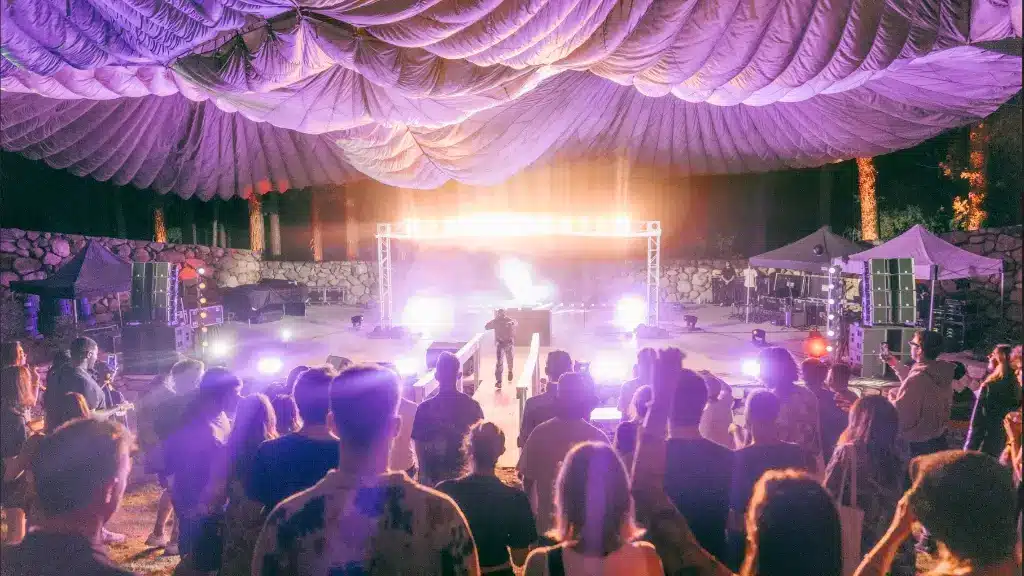
Web3 technology is fundamentally changing how creatives can monetize, connect with fans, and manage their content. Decentralized platforms, tokens, and smart contracts offer new ways to monetize, but they also challenge traditional intermediaries and business models. In this blog, I’ll explore how creatives can leverage the opportunities Web3 offers and new ways fans can participate in supporting and monetizing content. Tokens: new concert tickets and fan clubs From a revenue perspective, the core of an artist's relationship with a fan is a token, which is a digital token. A token could be compared to a Linnanmäki amusement park ticket: you can't get to the rides at an amusement park directly with euros, but by buying a ticket, you can get to the ride of your choice. In simple terms, a token is the digital equivalent of a single ticket, but in web3, the uses of a token are often more diverse, and their value can increase over time. No middlemen: direct connection to fans Traditionally, musicians have been dependent on major record labels and streaming services for the distribution of their music. This has often resulted in a significant portion of revenue going to middlemen: publishers, labels, agents, and other professionals who act as intermediaries between the artist and the audience. With the new internet, decentralized platforms enable direct communication with fans without intermediaries. For example, platforms based on blockchain technology allow artists to publish their music directly to the public, while retaining full ownership of their works. They can use smart contracts to determine how the use of the work is regulated and how, for example, the revenue from sales is allocated to the music creators. Traditionally, the connection with fans has been used as the basis for marketing: various mailing lists have been the basis for marketing, through which those who like the content created by the artist have been informed about new releases, for example. In the Web3 era, the role of the fan has been thought of differently: the fan is more of a partner than an object. "Engage-to-earn" at the heart of the new fan culture The engage-to-earn model is a new approach where both artists and fans benefit from active participation and interaction. In this model, artists can create digital tokens or NFTs (non-fungible tokens) that represent, for example, access to exclusive content, events, or other benefits. Fans can earn these tokens by engaging in various activities, such as sharing the artist’s content, participating in discussions, or completing certain tasks. This creates a two-way relationship where fans receive rewards for their activity, and artists benefit from increased visibility and an engaged audience. For example, in the music industry, Audius.co is a decentralized music streaming platform that aims to provide a fairer model for artists and fans compared to platforms like Spotify. The platform allows artists to release their new music directly to their fans without intermediaries and charges an introductory fee that gives the fan perpetual listening rights to the content. The content comes with access to a fan club that offers direct interaction between artists and fans. For example, electronic music composer and producer Dave Tipper has released his music on the platform and offered fans $AUDIO tokens, which give access to, among other things, fan-only events and through them become part of the subculture created by fans. Mirror.xyz, a platform for writers, allows content creators to publish their works. One of the platform’s successful experimenters was young author John Palmer, who wanted to publish an essay on his Mirror website. He sold tokens called $ESSAY, the proceeds of which were used to finance the writing of the essay. The agreement was that once the funding goal was reached, the essay would be published, and token holders would receive a share of something that could grow in value over time. The crowdfunded finished essay was sold on the online auction platform Zora. The proceeds were funneled back into the $ESSAY contract, increasing the value of each investor’s $ESSAY holding relative to the total value of the contract. Decentralized financial services enable fans to participate as investors in artists’ projects. For example, fans can invest their funds in an artist’s new album or film project and receive a share of future revenues in return. This model utilizes smart contracts that ensure automatic and transparent profit distribution to both the artist and fans and other parties specified in the smart contract. From fan to participant In the Web3 world, fan participation doesn’t necessarily stop at the role of an investor. They can also participate in decisions related to the development of artists’ careers and financial success by joining decentralized autonomous organizations (DAOs). In these communities, fans acquire tokens that give them voting rights and the ability to influence the artist’s activities. The Audius.co platform I mentioned earlier is governed by Audius token holders. These include both artists and fans. Token holders can vote on decisions related to the development of the platform, such as new features or terms of use. This model gives fans the opportunity to directly influence the operation of the platform and the visibility of artists, which can improve the financial opportunities of both fans and artists. One of the DAOs for artists, creative professionals, and fans is the Friends with Benefits (FWB) community. Membership in the community is achieved by acquiring a certain number of FWB tokens, which grant both entry and voting rights in community decision-making. FWB functions as both a social club and a funding crypto community. FWB organizes various events and festivals for its members, combining music, art, and cryptocurrency-related discussions. For example, the festival held in the summer of 2023 was open to members as well as a group of ticket holders (the ticket price was $399). The festival program included a diverse selection of speakers from technology to art. The event included a cinema, free generative art workshops organized by the NFT platform Highlight.xyz, yoga classes, DJ gigs, and a tennis tournament, where many participants dressed in all-white tennis attire. The educational speeches focused mainly on internet culture and in particular on the use of artificial intelligence in creative projects. In addition to the festival itself, the key benefit was a network of people interested in similar things, living as virtual and, at times, physical communities. Through DAOs, fan participation can lead to deeper engagement and financial benefits for both fans and artists. Fans are given the opportunity to influence the direction of artists' careers and financial success, and also to build activities that, in addition to inspiring content, promote networking and support the development of the creative industry. Only need 1,000 fans? In 2008, Wired magazine editor-in-chief Kevin Kelly introduced the idea of "1,000 True Fans," which states that an artist only needs 1,000 dedicated fans to succeed. Since then, Kelly's essay has been extensively updated and translated into many languages. The starting point of the idea is that if fans spend $100 per year on the products of the artist they admire, the artist would achieve an annual income of $100,000. This amount was therefore thought to be transferred more or less directly from fan to artist. However, in reality, complex production chains and professionals from different fields challenge the 1,000 fan theory. More and more artists can share their creations with the world at the touch of a button, enabling them to reach an ever-wider audience. They are drawn to the content, but also to the opportunity to interact with the creators of the creative content on a whole new level. But could the theory be reversed in the era of limitless digital communication, fueled by Web3? Could the reduction of intermediaries generate greater income for artists, or will the intermediaries simply change their roles while still receiving compensation for their professional contribution? Web3 may bring the 1,000 real fans theory closer to reality. Cutting out middlemen and engaging fans can increase an artist’s earnings, but they don’t eliminate the need for brand building, community management, and marketing. While blockchain and tokens bring new opportunities, they don’t automatically make an artist successful – it still requires audience engagement and ongoing interaction. The future will show how well Web3 delivers on its promise for the creative industries: is it a revolution or just another development in the digital economy? SOURCES Borg, J. (2024). Superfans: Why They’re Vital for Artists in the Algorithm Era. Amplify World Resources 18.1.2024. https://amplifyyou.amplify.link/2024/01/music-superfans/ Fenton, W. (2023). What is Web3 for music & how is it changing the industry? Midder. The Future of Music News 24.11.2023. https://middermusic.com/web3-for-music/?utm_source=chatgpt.com Fernandes, M.P. (2023). Crypto Clubs Throwing Summer Parties: Inside The Friends With Benefits DAO Festival. Forbes 10.8.2023. https://www.forbes.com/sites/digital-assets/2023/08/10/crypto-clubs-throwing-summer-parties-inside-the-friends-with-benefits-dao-festival/ fi.music396.com. Fanien sitoutumisstrategioiden mukauttaminen digitaalisiin alustoihin ja kulutustrendien muuttaminen (n.d.).https://fi.music396.com/topic/adapting-fan-engagement-strategies-to-digital-platforms-and-changing-consumption-trends/167277 Gottsegen, W. (2021). How Emily Segal Crowdfunded Her New Novel with Crypto. Deepdive Crypto profiles 24.2.2021. https://decrypt.co/68981/emily-segal-novel-crowdfund Marco J.D. (2022). The Musician's Guide to Web3. Mega Labs Article 6.7.2022. https://www.thelab.report/the-musicians-guide-to-web3/?utm_source=chatgpt.com Nittolo, T. (2024). A Peek Into The Tipper Community. Audius blogit 21.11.2024. https://blog.audius.co/article/a-peek-into-the-tipper-community Palmer, J. (2021). Using an Ethereum NFT to Crowdfund my Writing. Mirror.xyz 26.1.2021. https://j.mirror.xyz/OgVaYso25gEqxn7N4RyPnPbMO9pbNQJZQKEUvV9pxv8 Umana, D. (2024). Jack Harlow, Palaye Royale, and other music artists are using blockchain to connect with fans — and build profitable online communities. Business Insider TECH 16.2.2024. https://www.businessinsider.com/music-platforms-blockchain-artist-create-fan-clubs-communities Katri Halonen (Metropolia University of Applied Sciences) works as a project manager in the LUME – Creatives in the web3 era project, co-funded by the European Union, which focuses on new revenue models in the creative industry.

Tämän blogin kirjoituksia ja toimitustyötä on tuettu vuoden 2023 loppuun asti Euroopan unionin sosiaalirahaston Luovat metaversumissa esiselvityksen osarahoituksen avulla ja vuoden 2024 alusta Euroopan unionin sosiaalirahaston osarahoittaman LUME – luovat web3-ajassa -hankkeen avulla.
Tässä blogissa käydään ammattilaiskeskustelua web3 kehittymisen myötä avautuvista uusista toiminta- ja ansaintamahdollisuuksista sekä ajankohtaisista ilmiöistä. Blogissa julkaistaan asiantuntijatekstejä, haastatteluja ja kantaa ottavia tekstejä, videoita, podcasteja tai niiden yhdistelmiä. Kirjoittajat ovat Metropolian ja sen yhteistyöorganisaatioiden asiantuntijoita. Haluatko julkaista Luovat web3 ajassa -blogissa? Ota yhteys päätoimittajaan sähköpostitse.
– Katri Halonen (päätoimittaja), yliopettaja, Metropolia Ammattikorkeakoulu, katri.halonen@metropolia.fi, p. 050 362 6407
– Leena Björkqvist, lehtori, Metropolia Ammattikorkeakoulu
– Jyrki Simovaara, lehtori, Humanistinen ammattikorkeakoulu
– Mayreth Wolff, lehtori Humanistinen ammattikorkeakoulu
Sähköpostiosoitteet: etunimi.sukunimi@metropolia.fi
Toimituskunta toimittaa Luovat web3 ajassa -blogin sisällöt ennen julkaisua.
Haluatko julkaista Luovat web3 ajassa -blogissa? Lue oheiset ohjeet (pdf) ja ota yhteys päätoimittajaan sähköpostitse.
Termipankki on tehty navigointiohjeeksi Metaversumiin.



AI ansaintalogiikka bitcoin Coldplay DAO Digital heritage digitalisaatio esineiden internet ESR osarahoitus fani fanit ikäpolvet inkluusio IoMusT IoT johtaja kesä2025 konsertti krypto kulttuurituotanto lippu lohkoketju luovat alat metaverse Metaversumi musiikki NFT satoshi sijoittaminen sustainability tasa-arvo tekoäly tokeni web3 Web3.0 yhteisöllisyys älysopimus