A Master´s Thesis Study Found How Construction Business Sales Will Improve Significantly
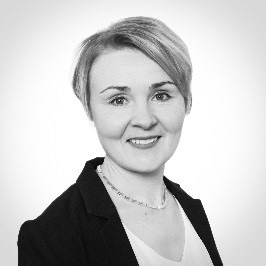
My Master’s thesis was done for my home company, Pylon Rakennus Oy, a private repair construction company operating in Helsinki area. Construction industry is one of the last frontiers for sales and new customer acquisition development. Construction business, including repair construction, has traditionally based on competitive bidding. Therefore, pro-active sales has not played a significant role. Recently, increased competition and price erosion has driven repair construction companies to search for business potential in developing pro-active sales and by acquiring new customers, for example, among private property owners. Starting from this perspective, the study focused on exploring how sales actions prior the bidding stage and a new customer acquisition process can help to get beyond the painful competitive bidding. The study suggested that through improved visibility and relationship management, as well as through a better service offering, the company could get better access to new customers and a better gateway to joint property development projects. The study suggested considering sales as a strategic function, which originates from sales strategy. In order to convert strategy into sales performance, the study recommends allocating the sales resources based on customer prioritization. In addition, customer segmentation and offerings should be also considered as strategic decisions. In regard to the sales process, the study recommended the company to broaden its relationship network outside its buying network. The study found that relationships should be independent of any projects to increase visibility on the market. A customer reference marketing was found to be as the main tool to build company's image. Additionally, a good service offering is needed to ensure high quality and cost effective services. These actions will increase the touchpoints, thus enabling better access to customers, and providing better possibilities for alliance and negotiation contracts. In addition, the proposal presented a model for a three-step risk assessment to support the company’s project risk management during sales strategy, customer acquisition and bidding stage. This proposal was successfully accepted by the home company and now it works as a backbone for the case company’s sales development. The improved sales process will allow the company to become more customer-oriented and forward-looking. Better anticipation will improve the risk management, resource efficiency and, in the long run, will have a positive impact on both sales performance and profitability. Researcher Päivi Stordell, Master of Engineering in Industrial Management This Master’s thesis has gained a high praise from both the school and the home company, and is available in the AMK common database (https://www.theseus.fi/handle/10024/145863). Topic: ‘Developing the Sales Process in a Repair Construction Company’
Ryhmäohjauksella vertaistukea terveydenhuoltoon?
Terveydenhuollossa ohjaus on osa potilaan tai asiakkaan asianmukaista ja hyvää hoitoa. Ryhmäohjaus on toimiva ja taloudellinen tapa toteuttaa ohjausta. Se antaa myös mahdollisuuden vertaistuen antamiseen ja saamiseen. Selvitimme Metropolia Ammattikorkeakoulussa ryhmäohjauksen merkitystä ja mahdollisuuksia. Tulokset osoittivat, että potilaat pitivät erittäin merkityksellisenä tiedon saantia ja ohjaajien asiantuntijuutta. Ohjaus lievitti jännitystä, pelkoa ja ahdistusta ennen toimenpidettä. Kuitenkin vain noin neljäsosa potilaista koki saaneensa vertaistukea ryhmäohjauksessa. Tulevaisuudessa vertaistuen mahdollisuutta tulisikin kehittää esimerkiksi hyödyntämällä kokemuasiantuntijuutta osana ohjausta. Tässä postauksessa avaamme tarkemmin sitä, mitä selvitys meille kertoi. Ryhmäohjauksen hyödyt potilasohjauksessa Potilaan oikeuksiin kuuluu tiedonsaanti- ja itsemääräämisoikeus. Potilasohjaus antaa potilaalle mahdollisuuden tiedonsaantiin. Samalla se lisää potilaan mahdollisuuksia osallistua hoitoaan koskevaan päätöksentekoon. Laadukas potilasohjaus lähtee potilaan tarpeista. Vuorovaikutteisessa ohjaussuhteessa on tärkeää tukea potilasta aktiivisuuteen ja tavoitteellisuuteen sekä ottamaan vastuuta omasta hoidostaan (Lipponen 2014). Ryhmäohjaus on toimiva ja taloudellinen tapa toteuttaa ohjaustehtävää. Ryhmässä jaetaan tietoa ja tukea usealle henkilölle yhtä aikaa. Ryhmässä yksi ohjaaja voi samanaikaisesti ohjata itsehoitoon liittyviä taitoja koko ryhmälle ja ryhmän jäsenet voivat rohkaista ja kannustaa toisiaan näiden taitojen oppimisessa. Toimivassa ryhmässä vuorovaikutus on avointa (Kataja ym. 2011). Ryhmäohjauksen hyötyjä ovatkin ryhmän jäsenten keskinäisen vertaistuen saaminen, kokemusten jakaminen ja yhteenkuuluvaisuuden tunne (Vänskä ym. 2011). Potilaiden kokemuksia ryhmäohjauksesta Terveydenhuollon toimintatapojen kehittäminen ja uudistaminen edellyttävät potilaiden aktiivista osallistamista. Potilaiden näkemysten huomioon ottaminen edistää asiakaslähtöisiä palveluja. Selvitimme ryhmäohjaukseen osallistuneiden kokemuksia heidän saamastaan ohjauksesta ennen sydämen rytmihäiriön hoitotoimenpidettä. Selvitys liittyy ylemmän ammattikorkeakoulututkinnon opintoihin ‘Kliininen asiantuntija sosiaali- ja terveysalalla’. Ohjaus sisälsi tietoa toimenpiteestä, siihen liittyvistä riskeistä sekä jälkihoidosta. Ohjaajina olivat rytmihäiriöiden hoitoon perehtynyt lääkäri ja sairaanhoitaja. Ohjauksessa oli tilaa myös potilaiden kysymyksille ja keskustelulle. Ryhmäohjaukseen osallistuneet kokivat, että he olivat saaneet riittävästi tietoa toimenpiteeseen valmistautumisesta. Noin puolet osallistujista oli saanut riittävät tiedot toimenpiteen jälkihoidosta ja kotiutumisesta. Tiedon saaminen oli ohjauksessa keskeistä, mikä korosti myös ohjaajien asiantuntijuuden arvostusta. Potilaat kokivat, että ohjaus lievitti toimenpiteeseen liittyvää jännitystä, pelkoa ja ahdistusta. Ohjauksen merkitys toimenpiteeseen liittyvään kipuun ei kuitenkaan ollut selkeä: Kolmannes potilaista koki ryhmäohjauksen lievittäneen kipua, mutta vajaa kolmannes oli asiasta eri mieltä. Reilu kolmannes potilaista ei osannut sanoa, lievittikö ohjaus toimenpiteeseen liittyvää kipua. Virtuaalista ohjausta parempana vaihtoehtona osallistujat pitivät kasvokkain tapahtuvaa ryhmäohjausta, jossa oli mahdollisuus esittää kysymyksiä. Tosin potilaat toivoivat saavansa tietoa monin eri tavoin: henkilökohtaisesti, kirjallisesti, videoin ja Internetin kautta. Toteutuuko vertaistuki ryhmäohjauksessa? Ryhmäohjauksen keskeisenä hyötynä on pidetty vertaistukea. Se toteutui kuitenkin tässä selvityksessä heikosti. Potilaista alle neljännes koki saaneensa vertaistukea muilta ryhmäläisiltä. Ryhmäohjausta kehitettäessä toteuttajien onkin tärkeää huomioida vertaistuen merkitys. Aiemmin toimenpiteen läpikäynyt henkilö voisi jakaa ohjauksessa kokemustietoa. Asiantuntijavetoisen esityksen sijaan osallistujien aktivointi lisäisi yhdessä jakamista ja osallisuutta. Kannustammekin alan ammattilaisia ja potilaita yhdessä pohtimaan, miten vertaistuki potilaiden ryhmäohjauksessa voisi toteutua paremmin. Selvitys ryhmänohjauksen merkityksestä on tehty osana ylempää ammattikorkeakoulututkintoa ‘Kliininen asiantuntija sosiaali- ja terveysalalla’ ja se on kokonaisuudessaan luettavissa täältä. Kirjoittajat: Katja Känkänen, sairaanhoitaja (YAMK), HUS, Meilahden sydänasema Marjatta Kelo, THM, FT, kehityspäällikkö, YAMK-tutkinnot, Metropolia Lähteet: Kataja Jukka, Jaakkola Timo & Liukkonen Jarmo (2011). Ryhmä liikkeelle. Toiminnallisia harjoituksia ryhmän kehittämiseksi. Bookwell Oy. Juva. Känkänen Katja (2017). Katetriablaatioon tulevien potilaiden kokemukset ryhmäohjauksesta. Opinnäytetyö. Metropolia Ammattikorkeakoulu. Lipponen Kaija (2014). Potilasohjauksen toimintaedellytykset. Väitöskirja. Oulun Yliopisto. Vänskä Kirsti, Laitinen-Väänänen Sirpa, Kettunen Tarja & Mäkelä Juha (2011). Onnistuuko ohjaus? Sosiaali- ja terveysalan ohjaustyössä kehittyminen. Edita. Helsinki.
Master’s projects are implemented and contribute to open innovation
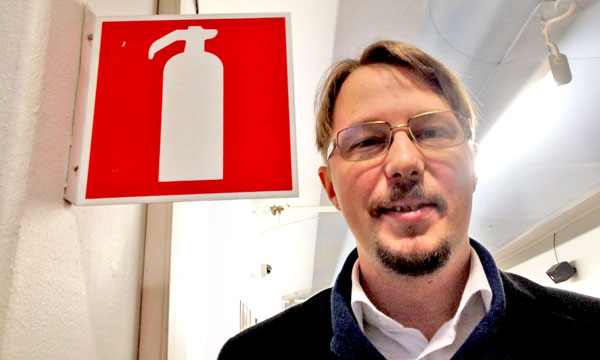
Master's Thesis as Part of Master's Programme In order to graduate from a Master’s Degree programme a final thesis project has to be completed. In University of Applied Sciences, a Master’s Thesis should be research-based practical development project that offers applicable solutions to the industry´s needs. Hence, the Master’s thesis projects are ordinarily completed in the context of companies and organizations. With 10 years of running Master’s level programs, Metropolia students have benefited a multitude of organizations and companies. Still, it is always a joy to see a successful Master’s thesis getting its implementation at the home company of the student. One such example is the project by Joska Taipale, whose Master’s thesis in fire protection training took 1,5 years to find its way to the customers. Joska Taipale's Thesis: An example of Real-Life Project I graduated in May 2016 and did my Master’s project on a real-life business issue at work. My project focused on developing training as a service for my company, Marioff. The company manufactures and delivers excellent firefighting equipment to ships, especially cruise ships, where safety is an ultimate priority. I used my opportunity as a Master’s student and developed a full service concept as my Master’s thesis. It took 1,5 years to turn my thesis into the actual service ‘productized’ for training the ship crews in the use of the firefighting equipment. I was in charge of the first pilot delivery in 2017 based on my Master’s thesis. My company supported me and allowed to publish the results. Seafarers have always recognized the value of such training services, but its urgency and need for implementation was fully recognized after an accidental fire on one of the ships, which incurred multi-million dollar losses and could have been prevented easily. At the time of the fire, if only the crew had known how to act, the damages would have been much smaller, or that fire would not have happened at all. After that, the safety authorities, as well as the ship operators, recognized the benefits of the new practical, well-organized, hands-on training service. At that time, my Master’s thesis was completed and the new service was ready for use. The core idea was to focus only on relevant trainings for each target group. The training module was super short, approximately 2-hour sessions for the bridge officers conducted right on the bridge, and for the engine officers inside the engine control room, etc. And, yes, the Galley (kitchen people) made the biggest group. In that environment, it is not a question if the deep fat fryers will catch fire, but rather when it will happen. The training was supported by easy visual materials similar to airplane safety cards – you get the idea immediately when you see it. We launched the new service in Miami, in December 2017, and trained 300 people in 5 days during a cruise in the Caribbean. We received extremely positive feedback. Everything worked well – the schedule, the content and the outcomes. In addition, the high level of engagement of the ship crews marked the new service as special success. Now, this training is steadily becoming a certified requirement for every ship. In this sense, I am happy with the results and due to the fact that my thesis project found implementation. Master's Thesis - An Open Access Material Thesis projects in Universities of Applied Sciences make a good example of contribution to both the industry and the well-being of society. Importantly, all UAS final thesis - both Master’s and Bachelor’s - are open to the public in a common online database. High quality thesis projects, such as Joska’s, also benefit the next generations of students who can learn and build on the existing foundation, and create even more excellent projects. Being in open access and offering practical solutions to industry needs, developed by industry professionals with experience and passion, such projects contribute to open innovation and create knowledge for the future. Joska Taipale, Master of Engineering (2016) in Industrial Management, Metropolia, Zinaida Grabovskaia, Master’s process instructor

The editorial team will provide the content of the Masterminds blog before publication.
The editorial team started its work at the beginning of 2022.
Pia Koirikivi, chief editor in Masterminds blog, Pedagogical Specialist
Minna Kaihovirta, Manager of Dialog
Iira Lankinen, Principal Lecturer
Riikka Wallin, Publications Specialist
Zinaida Grabovskaia, Senior Lecturer
Salla Kivelä, Principal Lecturer
asiantuntija yamk business informatics Business Informatics Master’s Program CERN Bootcamp Construction Business hankinnat hankintastrategia hankintatoimi ilmastonmuutos Industrial Management Industrial Management Master’s program johtaminen koulutus kulttuurituotanto Marjatta Kelo master Master's Thesis masterminds Masterminds blog Master of Engineering Master’s degree Metropolia Metropolia AMK Metropolia Master's Metropolia UAS metropolia YAMK opinnäytetyö osaaminen service design Sharing economy sosiaali-ja terveysala sosiaaliala study trip Sustainability talotekniikka terveyden edistäminen terveydenhuolto työhyvinvointi ura yamk YAMK-tutkinto YAMK opinnäytetyö ylempi AMK ylempi ammattikorkeakoulututkinto Zinaida Grabovskaia
