
Tag: DAO
The Crypto Society and the creative industries. What does the Finnish parliamentary report say about the future of the cultural sector?

The creative industries are going through a period of transition. Old revenue models are crumbling, the platform economy has changed distribution, and artificial intelligence is challenging the traditions of authorship and creative work. As cultural services increasingly move into the digital world, is it worth considering on whose terms this future will be built? The Crypto Society report by the Parliamentary Committee on the Future, published in November 2025, examines the effects of blockchains, digital money and decentralized systems on the economy, infrastructure and the functioning of society. Although the report does not focus on the creative industries, the changes it describes also directly affect the cultural field: ownership, revenue and on whose terms the digital future will be built. When the report is reflected in the perspective of our LUME project (Creatives in Web3), an overall picture emerges of how these major developments are visible on a practical level for creators and producers in the cultural sector. Here are five takeaways from what these publications tell us about the future of the creative industry. 1. Disruption is part of natural renewal The Crypto Society reminds us that disruptive innovations arise from market inefficiencies and can simultaneously create new value and destroy old. In the creative industry, this cycle is already commonplace: streaming collapsed the record trade but created global digital distribution, while social media took power away from the gatekeepers of traditional media but gave it to algorithms controlled by tech giants. The message of the report is clear: the destruction of the old is often a prerequisite for the new. What matters is what the creative industry wants to build in its place. 2. Digital infrastructure is vulnerable and the cultural sector depends on it The report describes situations where a single tech company’s mistake brought banks, airlines and hospitals to a standstill. This illustrates how dependent we are on digital infrastructure. When Spotify changes the pricing logic of audiobooks or TikTok’s algorithm changes, the impact on an artist’s distribution and livelihood is immediate. When Bandcamp was sold to a new owner, the indie music industry became nervous. The parliamentary report highlights how dependent we are on a few major tech companies. The cultural sector lives on systems that it does not own or control. Web3 and decentralized technologies aim to respond to this vulnerability by reducing the power of centralized actors. 3. The transformation of revenue models: from the platform economy to the creator economy The report talks about “the transformation of value creation” and sees blockchain as “the code behind a new networked economy.” This hits right at the heart of the creative industry’s pain points, as the current internet is focused on a monopoly of a few giants, creatives are left in the shadow of middlemen, and money flows to platforms, not content creators. The ethos of Web3 offers a counterforce: The ideal of decentralization: power is decentralized closer to creators and communities. This can be seen, for example, in clearer ownership: the creator is not just a content creator on the platform, but also the owner of their own data and works Smart contracts: code automatically ensures that rules are implemented and automates trust, also speeding up financial transactions DAOs (Decentralized Autonomous Organizations): digital age cooperatives that enable communal decision-making and asset management Tokenization: Enables micro-ownership and new revenue streams where fans can be investors or share in the success. Any asset, whether it's a painting, a song, or an event, can be broken down into micro-ownerships, opening up new revenue streams. For the creative industry, this can mean, in concrete terms, automation of aftermarket royalties, fan engagement and community funding, and greater direct revenue for the creator. For the creative industry, this can mean, in concrete terms, automation of aftermarket royalties, fan engagement and community funding, and greater direct revenue for the creator. 4. Technology is not value-free and a critical voice is important The report reminds us that technological development is driven by the value choices we make as a society. This also applies to the cultural sector. The crypto society highlights in particular the energy consumption of Bitcoin. In the LUME project, we have noticed how students and artists in the creative sector are concerned about the ecological footprint of the blockchain and how this affects their willingness to use new technology. In addition, uncertain revenue streams and fluctuations in the crypto market are risks that cannot be ignored. New technology creates new risks, and managing them requires regulation, infrastructure stability and shared values. Web3 is not a magic wand, and it will not solve old problems on its own, but it offers alternatives. And above all, a good reason to consider what kind of models we want to build for culture and art in the coming decades. 5. Can we benefit from the cycle of “destruction and renewal”? The publication The Crypto Society helps us understand why the cycle of destruction and renewal is accelerating: technologies, geopolitical climate and cultural change are all happening at the same time. In the creative sector, this can also be an opportunity to map out new models, break away from the monopoly of technology companies, build fairer revenue models and strengthen the sovereignty of Finnish culture in the digital world. This requires national regulation, tax clarity, brave experimenters and new web3 literacy for the cultural sector. Producers, managers and artists need expertise so that we can implement the tools that really benefit creators. Finally The Crypto Society report shows that the digital age and change is not just about technology, but about power, ownership and values. That is why the cultural sector has a special role: the ability to imagine, test and question existing models. Web3 and decentralized technologies are not a ready-made solution. They alone will not fix old structures, and they do not fit all needs. But they open up space for alternatives such as fairer distribution methods, new revenue models and community ownership, which traditional platforms never made possible. Change is inevitable, but its direction can be influenced. If we know how to combine the possibilities of technology with the cultural sector's own values and expertise, the Finnish creative sector can move from an adaptor to an active trendsetter in the next phase of a digitalizing society. Marja Konttinen works as an expert at Metropolia in the LUME project, co-funded by the European Union, which focuses on researching new technologies and revenue models in the creative sector. References Eriksson, Taina et al.: Krypton yhteiskunta. Eduskunnan tulevaisuusvaliokunnan julkaisu 3/2025. https://www.eduskunta.fi/FI/valiokunnat/tulevaisuusvaliokunta/julkaisut/Sivut/krypton-yhteiskunta.aspx Halonen, Katri & Hero, Laura-Maija (toim.): Luovat web3-ajassa – Unelmia, haasteita ja ansaintamahdollisuuksia (2023). https://www.theseus.fi/bitstream/handle/10024/804590/2023%20Taito%20116%20Luovat%20web3-ajassa.pdf
Fan 3.0 – From passive consumer to active owner

Web3 technologies offer fans new ways to participate in the careers of their favorite artists, not only as consumers but also as active actors and investors. In this blog, I will examine how fans can leverage the opportunities offered by Web3 to become involved in artists' decision-making, participate in the financing of works, and receive a share of the artist's earnings in return for their input. Active time of micropayments Traditional music streaming services like Spotify act as intermediaries between artists and listeners, often meaning that artists only receive a fraction of the revenue. Web3 technologies offer the opportunity to bypass these intermediaries and allow fans to pay artists directly in micropayments for each listen using smart contracts. For example, Snoop Dogg has taken his production to the TuneFM streaming service, where fans pay directly to the artist for listening. The fee is 10-100 times higher than Spotify's fees (Dalugdug 2024). In addition, the range of services is significantly wider than on a traditional streaming platform. For example, TuneFM offers fans unique benefits and experiences, such as backstage access, meetings with artists, VIP packages, merchandise products, video calls, and limited access to fan clubs and group chats with the artist, where news and behind-the-scenes content are shared. (Dalugdug 2024.) Digital ownership opens access to the artist's world Virtual communities of the new internet DAOs: (Decentralized Autonomous Organizations) are decentralized communities where members can collectively make decisions and manage shared resources. They could be compared to a group of friends who make decisions together without a designated leader, using rules that everyone has agreed on in advance. In the context of this blog, the common interest of that group is the creator of creative content. As a shared DAO for fans, they can, for example, manage a shared fan fund to raise funds for joint projects or financially support creators of creative content. Such activities can be found, for example, in The Sphere DAO, which brings together theorists, artists, and those interested in technology. The Sphere community publishes original works that have been edited into digital entities and placed in the Metagallery for further development by other artists. Fans can financially support the creators of these original works, and when a certain level of funding is reached, rewards are offered for creating new versions. Through this, many artists have found a new life with the support of the community. (https://www.thesphere.as/ ) Audius offers fans the opportunity to invest directly in their favorite artists by acquiring and staking tokens on the platform. This not only supports the artists’ work, but also gives fans a say in the development of the platform. The platform features major electronic music names such as Skrillex and deadmau5, who distribute their music directly to fans without traditional intermediaries. (Audius.) The right of fans to participate in decisions changes the dynamic between the fan and the content creator. For example, fans can plan and implement marketing activities to increase the artist's visibility or influence, for example, where the artist performs, what kind of fan products are released, or in which direction the content creator's style develops. By owning these tokens, fans are no longer just consumers, but become part of the artist's decision-making process (Pools 2023). Becoming a partner For example, Snoop Dogg has released an NFT-formatted mixtape that encourages fans to remix his songs. This allows fans to participate in the creative process and potentially earn revenue from their own versions while sharing a portion of the revenue with Snoop Dogg. (Gottsegen, 2023). Another example is Canadian singer Grimes, who found her singing voice widely exploited by deepfakes. Feeling powerless to combat the phenomenon, she decided to instead release a better version of the deepfake and take a share of the revenue. Grimes launched a platform called Elf.Tech, which allows fans to use her voice in their own songs. Grimes shares the revenue with the creator of the new song in half. (Ross, 2023.) These examples demonstrate how Web3 technology enables fans to participate in artists' creative work and financial success, shifting traditional fan culture towards a more active and inclusive direction. Investing with love, but with consideration Web3 technology opens up new opportunities for fans to participate in and even invest in the projects of their favorite artists. However, it is important to approach these opportunities thoughtfully and with an awareness of the potential risks. One significant risk is emotional investing. Fans may make investments primarily for emotional reasons without thorough consideration, which can lead to financial losses. It is important to remember that while the emotional connection to an artist is strong, investment decisions should be based on careful analysis and an understanding of the potential risks. It is also important to carefully research the background, team, and goals of each project before making an investment decision. For example, clearly defined goals, open communication, and an active community are hallmarks of a trustworthy project. It is also good to keep in mind that the NFT and cryptocurrency markets can be very volatile, and the value of investments can fluctuate greatly in a short period of time. This can significantly affect the returns and value of investments. Therefore, it is recommended to invest only in assets that you are prepared to bear the potential loss of, and to keep a long-term perspective in mind when investing (see fiksukuluttaja.fi; sijoittajablogi.fi). Taking these factors into account will help fans make more informed decisions and reduce potential risks in their Web3 investments. In any case, the new internet seems to usher in an era where fans, in addition to their role as content consumers, have the opportunity to be active members of the community, influencing, supporting, and directly connecting with their favorite artists. This shift creates new opportunities for deeper and more meaningful interactions. Towards a new kind of fan investor culture While Web3 brings new challenges, it also offers the opportunity for a deeper, more inclusive, and more meaningful relationship between artists and fans. With technology, fans can be more than listeners or viewers – they can be influencers, supporters, community builders, and even participants in the creative process. New times require new thinking, but also the courage to experiment. By keeping in mind the principles of openness, consideration, and community, we can build a fan culture where the love of art is not just a private experience but a shared force. Fans 3.0 don’t just follow – they also create. And therein lies the power of the new generation of fan relationships. Sources Amplify (2024). AmplifyWorld Partners with Open Format to Successfully Reward Fans and Create Meaningful Artist-fan Communities. AmplifyWorld 10.12.2024. https://amplifyyou.amplify.link/category/fan-engagement/ Audius. https://audius.co/ Luettu 10.4.2025. Dalugdug, M. (2024). Web3 and ‘superfan’ platform Tune.FM raises $20m from LDA Capital. Music Business Worldwide 15.1.2024. https://www.musicbusinessworldwide.com/tune-fm-raises-20m-from-lda-capital/?utm_source=chatgpt.com Fiksukuluttaja.fi (2025). Sijoittamisen riskit ja riskienhallinta: Kattava infopaketti 2025. https://fiksukuluttaja.fi/sijoittaminen/riskit/?utm_source=chatgpt.com Gottsegen, W. (2023). Snoop Dogg's NFT Mixtape Invites Remixes. Does It Authorize Them? Coin Desk 11.3.2023. https://www.coindesk.com/layer2/2022/03/02/snoop-doggs-nft-mixtape-invites-remixes-does-it-authorize-them?utm_source=chatgpt.com Pools (2023). Crafting Immersive Fan Experiences: NFTs and Fan Tokens in Practice. Medium 7.8.2023. https://medium.com/@P00LS/crafting-immersive-fan-experiences-nfts-and-fan-tokens-in-practice-8222a8aecd47 Ross, G. (2023). Grimes launches new software to mimic her voice, offers 50% royalties. Mixmag international news 5.5.2023. https://mixmag.net/read/grimes-software-elftech-mimic-voice-percent-royalties-news?utm_source=chatgpt.com Sijoittaja blogi . https://sijoitusblogi.fi/sanasto/kryptovaluutta-selitetty-sijoittamisen-hyodyt-ja-haitat/?utm_source=chatgpt.com The Sphere. https://www.thesphere.as/ Luettu 10.4.2025.
Your fans are the new patrons. Here’s how Web3 makes it possible.
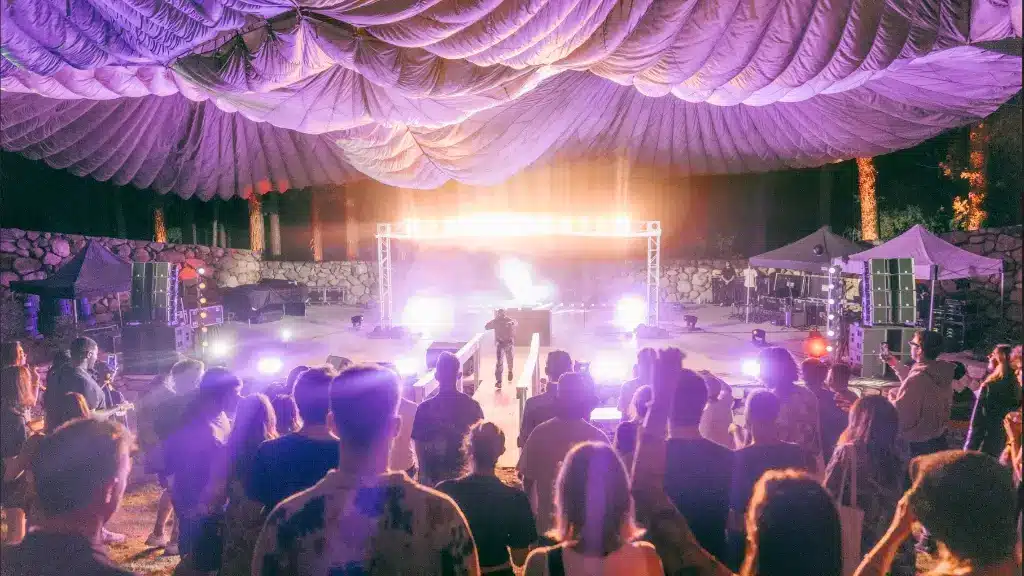
Web3 technology is fundamentally changing how creatives can monetize, connect with fans, and manage their content. Decentralized platforms, tokens, and smart contracts offer new ways to monetize, but they also challenge traditional intermediaries and business models. In this blog, I’ll explore how creatives can leverage the opportunities Web3 offers and new ways fans can participate in supporting and monetizing content. Tokens: new concert tickets and fan clubs From a revenue perspective, the core of an artist's relationship with a fan is a token, which is a digital token. A token could be compared to a Linnanmäki amusement park ticket: you can't get to the rides at an amusement park directly with euros, but by buying a ticket, you can get to the ride of your choice. In simple terms, a token is the digital equivalent of a single ticket, but in web3, the uses of a token are often more diverse, and their value can increase over time. No middlemen: direct connection to fans Traditionally, musicians have been dependent on major record labels and streaming services for the distribution of their music. This has often resulted in a significant portion of revenue going to middlemen: publishers, labels, agents, and other professionals who act as intermediaries between the artist and the audience. With the new internet, decentralized platforms enable direct communication with fans without intermediaries. For example, platforms based on blockchain technology allow artists to publish their music directly to the public, while retaining full ownership of their works. They can use smart contracts to determine how the use of the work is regulated and how, for example, the revenue from sales is allocated to the music creators. Traditionally, the connection with fans has been used as the basis for marketing: various mailing lists have been the basis for marketing, through which those who like the content created by the artist have been informed about new releases, for example. In the Web3 era, the role of the fan has been thought of differently: the fan is more of a partner than an object. "Engage-to-earn" at the heart of the new fan culture The engage-to-earn model is a new approach where both artists and fans benefit from active participation and interaction. In this model, artists can create digital tokens or NFTs (non-fungible tokens) that represent, for example, access to exclusive content, events, or other benefits. Fans can earn these tokens by engaging in various activities, such as sharing the artist’s content, participating in discussions, or completing certain tasks. This creates a two-way relationship where fans receive rewards for their activity, and artists benefit from increased visibility and an engaged audience. For example, in the music industry, Audius.co is a decentralized music streaming platform that aims to provide a fairer model for artists and fans compared to platforms like Spotify. The platform allows artists to release their new music directly to their fans without intermediaries and charges an introductory fee that gives the fan perpetual listening rights to the content. The content comes with access to a fan club that offers direct interaction between artists and fans. For example, electronic music composer and producer Dave Tipper has released his music on the platform and offered fans $AUDIO tokens, which give access to, among other things, fan-only events and through them become part of the subculture created by fans. Mirror.xyz, a platform for writers, allows content creators to publish their works. One of the platform’s successful experimenters was young author John Palmer, who wanted to publish an essay on his Mirror website. He sold tokens called $ESSAY, the proceeds of which were used to finance the writing of the essay. The agreement was that once the funding goal was reached, the essay would be published, and token holders would receive a share of something that could grow in value over time. The crowdfunded finished essay was sold on the online auction platform Zora. The proceeds were funneled back into the $ESSAY contract, increasing the value of each investor’s $ESSAY holding relative to the total value of the contract. Decentralized financial services enable fans to participate as investors in artists’ projects. For example, fans can invest their funds in an artist’s new album or film project and receive a share of future revenues in return. This model utilizes smart contracts that ensure automatic and transparent profit distribution to both the artist and fans and other parties specified in the smart contract. From fan to participant In the Web3 world, fan participation doesn’t necessarily stop at the role of an investor. They can also participate in decisions related to the development of artists’ careers and financial success by joining decentralized autonomous organizations (DAOs). In these communities, fans acquire tokens that give them voting rights and the ability to influence the artist’s activities. The Audius.co platform I mentioned earlier is governed by Audius token holders. These include both artists and fans. Token holders can vote on decisions related to the development of the platform, such as new features or terms of use. This model gives fans the opportunity to directly influence the operation of the platform and the visibility of artists, which can improve the financial opportunities of both fans and artists. One of the DAOs for artists, creative professionals, and fans is the Friends with Benefits (FWB) community. Membership in the community is achieved by acquiring a certain number of FWB tokens, which grant both entry and voting rights in community decision-making. FWB functions as both a social club and a funding crypto community. FWB organizes various events and festivals for its members, combining music, art, and cryptocurrency-related discussions. For example, the festival held in the summer of 2023 was open to members as well as a group of ticket holders (the ticket price was $399). The festival program included a diverse selection of speakers from technology to art. The event included a cinema, free generative art workshops organized by the NFT platform Highlight.xyz, yoga classes, DJ gigs, and a tennis tournament, where many participants dressed in all-white tennis attire. The educational speeches focused mainly on internet culture and in particular on the use of artificial intelligence in creative projects. In addition to the festival itself, the key benefit was a network of people interested in similar things, living as virtual and, at times, physical communities. Through DAOs, fan participation can lead to deeper engagement and financial benefits for both fans and artists. Fans are given the opportunity to influence the direction of artists' careers and financial success, and also to build activities that, in addition to inspiring content, promote networking and support the development of the creative industry. Only need 1,000 fans? In 2008, Wired magazine editor-in-chief Kevin Kelly introduced the idea of "1,000 True Fans," which states that an artist only needs 1,000 dedicated fans to succeed. Since then, Kelly's essay has been extensively updated and translated into many languages. The starting point of the idea is that if fans spend $100 per year on the products of the artist they admire, the artist would achieve an annual income of $100,000. This amount was therefore thought to be transferred more or less directly from fan to artist. However, in reality, complex production chains and professionals from different fields challenge the 1,000 fan theory. More and more artists can share their creations with the world at the touch of a button, enabling them to reach an ever-wider audience. They are drawn to the content, but also to the opportunity to interact with the creators of the creative content on a whole new level. But could the theory be reversed in the era of limitless digital communication, fueled by Web3? Could the reduction of intermediaries generate greater income for artists, or will the intermediaries simply change their roles while still receiving compensation for their professional contribution? Web3 may bring the 1,000 real fans theory closer to reality. Cutting out middlemen and engaging fans can increase an artist’s earnings, but they don’t eliminate the need for brand building, community management, and marketing. While blockchain and tokens bring new opportunities, they don’t automatically make an artist successful – it still requires audience engagement and ongoing interaction. The future will show how well Web3 delivers on its promise for the creative industries: is it a revolution or just another development in the digital economy? SOURCES Borg, J. (2024). Superfans: Why They’re Vital for Artists in the Algorithm Era. Amplify World Resources 18.1.2024. https://amplifyyou.amplify.link/2024/01/music-superfans/ Fenton, W. (2023). What is Web3 for music & how is it changing the industry? Midder. The Future of Music News 24.11.2023. https://middermusic.com/web3-for-music/?utm_source=chatgpt.com Fernandes, M.P. (2023). Crypto Clubs Throwing Summer Parties: Inside The Friends With Benefits DAO Festival. Forbes 10.8.2023. https://www.forbes.com/sites/digital-assets/2023/08/10/crypto-clubs-throwing-summer-parties-inside-the-friends-with-benefits-dao-festival/ fi.music396.com. Fanien sitoutumisstrategioiden mukauttaminen digitaalisiin alustoihin ja kulutustrendien muuttaminen (n.d.).https://fi.music396.com/topic/adapting-fan-engagement-strategies-to-digital-platforms-and-changing-consumption-trends/167277 Gottsegen, W. (2021). How Emily Segal Crowdfunded Her New Novel with Crypto. Deepdive Crypto profiles 24.2.2021. https://decrypt.co/68981/emily-segal-novel-crowdfund Marco J.D. (2022). The Musician's Guide to Web3. Mega Labs Article 6.7.2022. https://www.thelab.report/the-musicians-guide-to-web3/?utm_source=chatgpt.com Nittolo, T. (2024). A Peek Into The Tipper Community. Audius blogit 21.11.2024. https://blog.audius.co/article/a-peek-into-the-tipper-community Palmer, J. (2021). Using an Ethereum NFT to Crowdfund my Writing. Mirror.xyz 26.1.2021. https://j.mirror.xyz/OgVaYso25gEqxn7N4RyPnPbMO9pbNQJZQKEUvV9pxv8 Umana, D. (2024). Jack Harlow, Palaye Royale, and other music artists are using blockchain to connect with fans — and build profitable online communities. Business Insider TECH 16.2.2024. https://www.businessinsider.com/music-platforms-blockchain-artist-create-fan-clubs-communities Katri Halonen (Metropolia University of Applied Sciences) works as a project manager in the LUME – Creatives in the web3 era project, co-funded by the European Union, which focuses on new revenue models in the creative industry.
Lohkoketjut avaavat uusia mahdollisuuksia musiikkialan sijoitustoimintaan
Musiikin kuluttajana voit tukea muusikoita esimerkiksi käymällä keikoilla tai ostamalla levyjä. Musiikkialalle sijoittaminen sen sijaan on ollut tähän asti melko hankalaa, sillä musiikin kuluttajille ei ole ollut sijoitusmekanismeja käytössä. Teknologian kehitys ja digitaalinen maailma voi kuitenkin tuoda tähän muutoksen. Tekijänoikeudet osana musiikkialan sijoitusmarkkinoita on mielenkiintoinen ajatus ja jo kokeiluihinkin johtanut ilmiö. Digitaalinen maailma luo meille uusia sijoituskohteita aineettomien hyödykkeiden ja niiden lohkoketjupohjaisen hallinnoinnin kautta. Tämä blogikirjoitus keskittyy pohtimaan, miten musiikkialalle voisi sijoittaa lohkoketjuympäristössä. Millaisia uusia sijoituskohteita tai sijoittajia lohkoketjut avaavat musiikkialle? Tekijöiden kustannusoikeudet nousevana sijoituskohteena Musiikkiteollisuuden asiakkaalle näkyvimpiä osia ovat usein esitys- ja levytystoiminta. Näiden takana on tekijän keskeisin pääoma: tekijänoikeuteen pohjautuva kustannussopimus. Sopimuksen puitteissa musiikin tekijät siirtävät oikeuksien hallintaa kustantajalle, joka saa osan tekijänoikeustuloista. Kustantajan tehtävänä on levittää, markkinoida ja hallinnoida biisejä. Kustannustoiminnassa pyörivät isot pääomat ja niistä käydään aktiivista kauppaa. Viime aikoina niistä on keskusteltu myös mahdollisina sijoituskohteina. Yksi musiikin sijoittamistoiminnan edelläkävijä on brittiläinen pörssiyhtiö Hipgnosis Songs Fund, joka on koonnut musiikkikappaleiden tekijänoikeuskatalogin ostamalla kymmenien tuhansien laulujen kustannusoikeudet. Katalogiartisteina on mukana huomattava määrä kansainvälisesti erittäin menestyneitä muusikoita. (Ylä-Anttila 2022; Sirén, 2021; Hipgnosis, 2022.) Joukosta löytyy esimerkiksi suuri osa pitkän linjan popyhtye Fleetwood Macin hittikappaleista ja yli puolet Neil Youngin kappaleista (Ylä-Anttila 2022; Määttänen 2021). Hittikappaleet saattavat säilyttää arvonsa hyvinkin pitkään, ja niitä on mahdollista jaella digitaalisena useita eri kanavia pitkin. Tämä nostaa niiden kiinnostavuutta sijoituksena. Rahoitusmarkkinoiden heilahtelut eivät juurikaan vaikuta musiikin kuunteluun, ja yksittäinen hittikappale voi pyöriä kymmeniä vuosia elokuvissa ja mainoksissa tuottaen sijoittajalle rojaltimaksuja (Hermansson, 2022), joiden kertyminen jatkuu vielä 70 vuotta musiikin tekijöiden kuoleman jälkeen. Tuloa kertyy miljoonista yksittäisistä mikrotapahtumista kuten suoratoiston kuuntelusta, albumin ostosta tai latauksesta, esitystoiminnasta, lisensoinnista ja synkronisoinnista esimerkiksi AV-tuotteiden osaksi. Artistin näkökulmasta Hipgnosisin kaltainen toimija voi olla kiinnostava kumppani, koska se on valmis maksamaan kappaleen tekijänoikeuksista tietyn könttäsumman kerralla. Perinteiset tekijänoikeusmaksut ilahduttavat varmasti artistin perikuntaa tämän kuoltua, mutta moni artisti arvostanee rahallista korvausta työstään jo ollessaan vielä itse elossa. Tokenien avulla sijoitustoimintaa ja investointeja piensijoittajien tarpeisiin Musiikkialan keskeisiä sijoittajia ovat olleet perinteisesti mm. levy-yhtiöt. Kiinnittäessään uuden musiikin tekijän tai esittäjän rosteriinsa yhtiö sitoutuu ja investoi heidän uransa edistämiseen. Monikansallisten levy-yhtiöiden rooli on kasvanut tässä keskeiseksi ja osin vaikeuttanut ulkopuolisten itsenäisten toimijoiden pääsyä markkinoille. Uusien tuotantojen tueksi on avattu joukkorahoitukseen keskittyviä palveluita, kuten esimerkiksi Intiassa lanseerattu musiikkialalle suunnattu FanTiger -palvelu. Se antaa riippumattomille artisteille reitin avata tulevia projektejaan faneilleen joukkorahoituksen saamiseksi. Fanit voivat tukea uuden musiikin lanseerausta ostamalla ennakkoon NFT-albumin – tosin palvelun valikoimissa on ainakin vielä lähinnä intialaisia musiikkigenrejä. (Halonen ja Tervonen, 2023). Sijoitusmahdollisuuksia voi kehittää eteenpäin tästä tokenisoinnin avulla. Termille ”token” ja siitä johdetulle ”tokenisoinnille” ei ole olemassa vakiintunutta suomenkielistä ilmaisua. Sitran tulevaisuussanastossa tokenin suomennokseksi esitetään digitaalista rahaketta, mutta se ei taivu sujuvasti verbiksi. Siksi tässä blogikirjoituksessa puhutaan tokeneista ja tokenisoinnista. Tokenisointi tarkoittaa omaisuuden, kuten musiikkisisällön, muuntamista digitaaliseksi lohkoketjuun tallennettavaksi tokeniksi. Tämä mahdollistaa digitaalisten varojen omistamisen, siirtämisen ja vaihtamisen ilman perinteisiä välikäsiä, kuten esimerkiksi pankkeja tai pörssivälittäjiä (Marinov, 2023; coinmotion, 2023). Tokenisointi on jonkin varallisuuserän tai vaikkapa jonkin oikeuden (kuten tekijänoikeus) muuttamista digitaaliseksi yksiköksi, jolla voidaan käydä kauppaa. Tokenisoinnin ytimessä on omaisuuden jakaminen pieniin kaupankäynnin osiin, tokeneihin. Kunkin tokenin hinta määräytyy omaisuuden kokonaisarvon ja siihen suhteutettuna tokenien määrän mukaan. Esimerkiksi uusi albumi voidaan tokenisoinnin avulla jakaa moniin pieniin kappaleisiin/osiin, joita voidaan myydä yksittäin digitaalisilla markkinoilla. Tällainen toiminta olisi uutta musiikkialalla, ja se mahdollistaisi uuden sijoituskohteen heille, jotka haluaisivat tarkastella alaa sijoitusnäkökulmasta. Musiikin tekijänoikeuksien kautta voitaisiin myydä osa rojaltituloista faneille tai muille sijoittajille. (Utopia Genesis Foundation 2021.) Token toimii omistusoikeuden todisteena, ja tätä tokenia voidaan lohkoketjun avulla kaupata tai siirtää tehokkaammin kuin tuntemiamme perinteisiä varoja (Coinmotion, 2023). Tokenisointi voi avata musiikkifaneille uuden ja mielenkiintoisen sijoitusalan. Esimerkiksi muusikko voi tokenisoida tuoreen albuminsa, jolloin se on kohtuuhintaan usean piensijoittajan saatavilla. Sijoittajat puolestaan voisivat helposti sijoittaa uusiin artisteihin, ja mahdollisesti saada myös sijoituksilleen tuottoa. Sweet Dreams (Are Made of This) Hipgnosis songs (2021) julkaisee sivustollaan tapauskertomuksia menestyksekkäistä sijoituksista. Esimerkiksi David A. Stewartin ja Annie Lennoxin muodostaman Eurythmics-duon yksi tunnetuimmista kappaleista on Sweet Dreams (Are Made of This). Se on ollut kaupallinen menetys sekä Euroopassa että Yhdysvalloissa niin suoratoistopalveluissa kuin radioissakin, minkä vuoksi siitä tulee jatkuvia tekijänoikeustuloja. Kappaleen käytöstä on tehty myös sopimuksia muun muassa Samsungin, Realtor.com ja yhdysvaltalaisen kiinteistönsivuston mainoksissa. Se löytyy myös Sonyn PlayStationin The King -pelin taustalta, ja suunnitteilla on yhteistyö Sony Picturesin Cinderella remake -version kanssa. (Hipgnosis songs, 2021.) Tämä kaikki tuo toteutuessaan sijoittajille osuuden tekijänoikeustuloista kappaleesta, joka on julkaistu jo 40 vuotta sitten. Tokenipohjaista piensijoittamista tehdään muun muassa Royal-alustalla. Tyypilliset albumiin tehtävät investoinnit vaihtelevat 50 ja 200 dollarin välillä, sijoittajia on noin 100–200 ja rojalti yhtä tokenia kohden on 0,05 ja 0,30 % välillä (Royal, 10.3.2023). Tokenit tarjoavat fanille uudenlaisen mahdollisuuden tukea artisteja: samalla kun tukee haluamaansa taiteilijaa, saa myös rojaltipohjaisen omistussuhteen joukkorahoitteiseen sisältöön. Tokenisointi ja tekijänoikeuksien myyminen voi olla tulevaisuuden musiikkialan kehitysaskeleita. Aiheeseen liittyy kuitenkin paljon vielä kysymyksiä, joihin eri alojen tulisi löytää vastaukset. Kuka olisi esimerkiksi se taho, joka toimisi tokenien liikkeeseenlaskijana? Jos se ei ole säännelty rahoituslaitos, miten varmistetaan, että ostettava token edustaa todellista omaisuutta? Oman riskinsä luo myös se, että suuri osa alustoista toimii kryptovaluutoilla, joita on olemassa jo yli 22 000 kappaletta ja uusia syntyy koko ajan (Osakesijoittaja, 2023). Sijoittajan riskien näkökulmasta aiheeseen liittyy osittain samoja ongelmia ja kysymyksiä kuin virtuaalivaluuttoihin muutoinkin. Osa virtuaalivaluutoista kulkee kuitenkin kohti rahan arvon sitomista viralliseen valuuttaan, kuten Yhdysvaltain dollariin tai euroon. Lohkoketju tuo tullessaan niin musiikin ystävälle kuin puhtaasti sijoitustoiminnastakin kiinnostuneelle mielenkiintoisen alueen. Mukana on paljon kauniita unelmia ja idealismiakin, mutta myös paljon mahdollisuuksia – jos niihin vain uskalletaan tarttua! Lähteet Coinmotion (2023).Suomalainen stablecoin – Membrane Finance julkaisi EUROe-stablecoinin. Haastattelussa Juha Viitala. Coinmotion 9.2.2023. Halonen, K. ja Tervonen, A. (2023). NFT musiikin tekijöiden tulovirtojen lisääjänä - Luovat metaversumissa Metropolia Ammattikorkeakoulu Luovat Metaverumissa blogi 1.3.2023. Hermansson, M. (2022). Musiikkikatalogit – taiteilijan elämäntyö ja sijoittajan unelma. Thomann blogit 23.1.2022. Hipgnosis Songs (2022). Interim report for the period ended 20 September 2022. Hipgnosis songs fund. Hipgnosis Songs (2021) The Anatomy of a Song. David A. Stewart’s Sweet Dreams (Are Made of This) (2021). Annual Report 2021. Hipgnosis Songs Fund Limited, p 18. Leppänen, M. (2018). Lohkoketjun "kolmas vallankumous" on käsillä – mullistavatko digitaaliset arvopaperit sijoittamisen, vai tuleeko niistä vain kryptohypen seuraava aalto? Yle 10.11.2018. Marinov, E. (2023). Varojen ja niiden käytön tokenisointi. Escrypto artikkeli (5). 5.2.2023 Määttänen, J. (2021). Neil Young myi puolet kaikkien kappaleidensa oikeuksista yli 120 miljoonalla eurolla sijoitusyhtiölle: “Tämä muuttaa yrityksemme ikiajoiksi”. Helsingin sanomat 6.1.2021. Osakesijoittaja (2023). Kryptovaluutta 2023. Osakesijoittaja.fi -sivusto 10.3.2023. Sirén, V. (2021). Mies, joka ostaa musiikin. Helsingin sanomat 19.3.2021. Royal (2022). Kotisivulla oleva artistien myyntiosasto. Royal Invest in Music 10.3.2023. Utopia Genesis Foundation (2021). Music tokenization - how it will change the music industry and why you should care? Utopia Genesis Foundation blogs. Medium 14.7.2021. Ylä-Anttila, A. (2022). Musiikkiin sijoittaminen on nouseva ilmiö, arvioi alan brittikonkari – ”Rahaa liikkuu paljon, vaikka siitä ei hirveästi puhuta”. Kauppalehti 7.2.2022. Kirjoittajasta Musiikkipedagogi YAMK -tutkinnosta valmistunut Aili Tervonen on toiminut musiikkialalla aiemmin freelancer-pianistina ja opettajana, mutta päätynyt sittemmin työskentelemään opetus- ja kulttuuriministeriöön. Valtiolla työskentely on saanut Tervosen pohtimaan musiikkialan asemaa yhteiskunnassamme. Musiikkialan tulisi pystyä parantamaan muusikoiden työmarkkina-asemaa, kehittämään alaa eteenpäin sekä moninaistaa alan ansaintalogiikoita. Tämän vuoksi Tervonen päätyi tutkimaan YAMK-tutkinnossaan NFT-teoksia ja virtuaalivaluuttoja. Lue lisää: https://www.theseus.fi/bitstream/handle/10024/751689/tervonen_aili.pdf?sequence=2

Tämän blogin kirjoituksia ja toimitustyötä on tuettu vuoden 2023 loppuun asti Euroopan unionin sosiaalirahaston Luovat metaversumissa esiselvityksen osarahoituksen avulla ja vuoden 2024 alusta Euroopan unionin sosiaalirahaston osarahoittaman LUME – luovat web3-ajassa -hankkeen avulla.
Tässä blogissa käydään ammattilaiskeskustelua web3 kehittymisen myötä avautuvista uusista toiminta- ja ansaintamahdollisuuksista sekä ajankohtaisista ilmiöistä. Blogissa julkaistaan asiantuntijatekstejä, haastatteluja ja kantaa ottavia tekstejä, videoita, podcasteja tai niiden yhdistelmiä. Kirjoittajat ovat Metropolian ja sen yhteistyöorganisaatioiden asiantuntijoita. Haluatko julkaista Luovat web3 ajassa -blogissa? Ota yhteys päätoimittajaan sähköpostitse.
– Katri Halonen (päätoimittaja), yliopettaja, Metropolia Ammattikorkeakoulu, katri.halonen@metropolia.fi, p. 050 362 6407
– Leena Björkqvist, lehtori, Metropolia Ammattikorkeakoulu
– Jyrki Simovaara, lehtori, Humanistinen ammattikorkeakoulu
– Mayreth Wolff, lehtori Humanistinen ammattikorkeakoulu
Sähköpostiosoitteet: etunimi.sukunimi@metropolia.fi
Toimituskunta toimittaa Luovat web3 ajassa -blogin sisällöt ennen julkaisua.
Haluatko julkaista Luovat web3 ajassa -blogissa? Lue oheiset ohjeet (pdf) ja ota yhteys päätoimittajaan sähköpostitse.
Termipankki on tehty navigointiohjeeksi Metaversumiin.



AI ansaintalogiikka bitcoin Coldplay DAO Digital heritage digitalisaatio esineiden internet ESR osarahoitus fani fanit ikäpolvet inkluusio IoMusT IoT johtaja kesä2025 konsertti krypto kulttuurituotanto lippu lohkoketju luovat alat metaverse Metaversumi musiikki NFT satoshi sijoittaminen sustainability tasa-arvo tekoäly tokeni web3 Web3.0 yhteisöllisyys älysopimus