
Author: Marja Konttinen
The Crypto Society and the creative industries. What does the Finnish parliamentary report say about the future of the cultural sector?

The creative industries are going through a period of transition. Old revenue models are crumbling, the platform economy has changed distribution, and artificial intelligence is challenging the traditions of authorship and creative work. As cultural services increasingly move into the digital world, is it worth considering on whose terms this future will be built? The Crypto Society report by the Parliamentary Committee on the Future, published in November 2025, examines the effects of blockchains, digital money and decentralized systems on the economy, infrastructure and the functioning of society. Although the report does not focus on the creative industries, the changes it describes also directly affect the cultural field: ownership, revenue and on whose terms the digital future will be built. When the report is reflected in the perspective of our LUME project (Creatives in Web3), an overall picture emerges of how these major developments are visible on a practical level for creators and producers in the cultural sector. Here are five takeaways from what these publications tell us about the future of the creative industry. 1. Disruption is part of natural renewal The Crypto Society reminds us that disruptive innovations arise from market inefficiencies and can simultaneously create new value and destroy old. In the creative industry, this cycle is already commonplace: streaming collapsed the record trade but created global digital distribution, while social media took power away from the gatekeepers of traditional media but gave it to algorithms controlled by tech giants. The message of the report is clear: the destruction of the old is often a prerequisite for the new. What matters is what the creative industry wants to build in its place. 2. Digital infrastructure is vulnerable and the cultural sector depends on it The report describes situations where a single tech company’s mistake brought banks, airlines and hospitals to a standstill. This illustrates how dependent we are on digital infrastructure. When Spotify changes the pricing logic of audiobooks or TikTok’s algorithm changes, the impact on an artist’s distribution and livelihood is immediate. When Bandcamp was sold to a new owner, the indie music industry became nervous. The parliamentary report highlights how dependent we are on a few major tech companies. The cultural sector lives on systems that it does not own or control. Web3 and decentralized technologies aim to respond to this vulnerability by reducing the power of centralized actors. 3. The transformation of revenue models: from the platform economy to the creator economy The report talks about “the transformation of value creation” and sees blockchain as “the code behind a new networked economy.” This hits right at the heart of the creative industry’s pain points, as the current internet is focused on a monopoly of a few giants, creatives are left in the shadow of middlemen, and money flows to platforms, not content creators. The ethos of Web3 offers a counterforce: The ideal of decentralization: power is decentralized closer to creators and communities. This can be seen, for example, in clearer ownership: the creator is not just a content creator on the platform, but also the owner of their own data and works Smart contracts: code automatically ensures that rules are implemented and automates trust, also speeding up financial transactions DAOs (Decentralized Autonomous Organizations): digital age cooperatives that enable communal decision-making and asset management Tokenization: Enables micro-ownership and new revenue streams where fans can be investors or share in the success. Any asset, whether it's a painting, a song, or an event, can be broken down into micro-ownerships, opening up new revenue streams. For the creative industry, this can mean, in concrete terms, automation of aftermarket royalties, fan engagement and community funding, and greater direct revenue for the creator. For the creative industry, this can mean, in concrete terms, automation of aftermarket royalties, fan engagement and community funding, and greater direct revenue for the creator. 4. Technology is not value-free and a critical voice is important The report reminds us that technological development is driven by the value choices we make as a society. This also applies to the cultural sector. The crypto society highlights in particular the energy consumption of Bitcoin. In the LUME project, we have noticed how students and artists in the creative sector are concerned about the ecological footprint of the blockchain and how this affects their willingness to use new technology. In addition, uncertain revenue streams and fluctuations in the crypto market are risks that cannot be ignored. New technology creates new risks, and managing them requires regulation, infrastructure stability and shared values. Web3 is not a magic wand, and it will not solve old problems on its own, but it offers alternatives. And above all, a good reason to consider what kind of models we want to build for culture and art in the coming decades. 5. Can we benefit from the cycle of “destruction and renewal”? The publication The Crypto Society helps us understand why the cycle of destruction and renewal is accelerating: technologies, geopolitical climate and cultural change are all happening at the same time. In the creative sector, this can also be an opportunity to map out new models, break away from the monopoly of technology companies, build fairer revenue models and strengthen the sovereignty of Finnish culture in the digital world. This requires national regulation, tax clarity, brave experimenters and new web3 literacy for the cultural sector. Producers, managers and artists need expertise so that we can implement the tools that really benefit creators. Finally The Crypto Society report shows that the digital age and change is not just about technology, but about power, ownership and values. That is why the cultural sector has a special role: the ability to imagine, test and question existing models. Web3 and decentralized technologies are not a ready-made solution. They alone will not fix old structures, and they do not fit all needs. But they open up space for alternatives such as fairer distribution methods, new revenue models and community ownership, which traditional platforms never made possible. Change is inevitable, but its direction can be influenced. If we know how to combine the possibilities of technology with the cultural sector's own values and expertise, the Finnish creative sector can move from an adaptor to an active trendsetter in the next phase of a digitalizing society. Marja Konttinen works as an expert at Metropolia in the LUME project, co-funded by the European Union, which focuses on researching new technologies and revenue models in the creative sector. References Eriksson, Taina et al.: Krypton yhteiskunta. Eduskunnan tulevaisuusvaliokunnan julkaisu 3/2025. https://www.eduskunta.fi/FI/valiokunnat/tulevaisuusvaliokunta/julkaisut/Sivut/krypton-yhteiskunta.aspx Halonen, Katri & Hero, Laura-Maija (toim.): Luovat web3-ajassa – Unelmia, haasteita ja ansaintamahdollisuuksia (2023). https://www.theseus.fi/bitstream/handle/10024/804590/2023%20Taito%20116%20Luovat%20web3-ajassa.pdf
Combine24: experiencing and making art
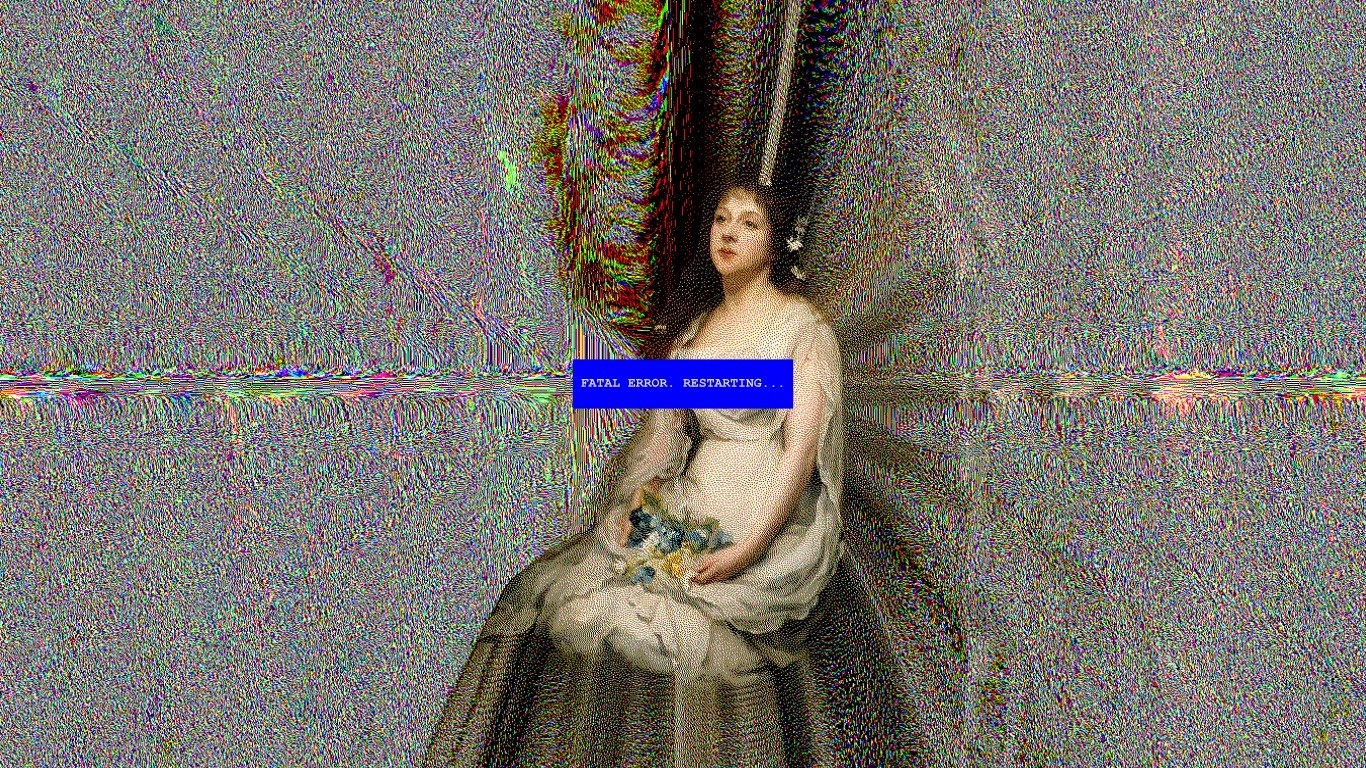
Traditionally, art has been based on physical materials and the skill with which they are handled. The role of the artist has been to create, illustrate and tell stories using paint, clay, stone or other concrete media. With digitalization, the form of art making has expanded, and the inclusion of artificial intelligence in the creative process raises the question (Salonen 2023): is a human an artistic actor, even though artificial intelligence is part of creative work? Art can even be produced by algorithms and technology, changing not only the way art is created but also the way it is experienced. The Combine24 competition organized by the National Gallery embodies this shift, where traditional and digital art meet in a new kind of creative process, an interaction between man and machine. The process of generative art English art critic and teacher Harold Osborne (1988) defines generative art as geometric abstraction in which a basic element, such as an artificial intelligence-based algorithm, creates new variations by changing the original initial parameter based on set rules. Unlike traditional art, where the work is static, generative art is constantly changing and real-time. Theorist Matt Pearson (2011) describes generative art as a process that combines logical and cold programming with creative, emotional expression. In this form of art, collaboration between humans and machines, or co-creation (Lundman, Nordström, 2023), opens up new possibilities for creation. At the heart of co-creation is the idea that creativity is not exclusively human-centered, but that machines can be part of the creative process, and this collaboration can expand the boundaries of human imagination. The National Gallery of Finland’s Combine24 competition exploits this concept of co-creation, where algorithms created by artists and artists together create new works, offering viewers the opportunity to participate in the creation, modification and ownership of the work. The competition focuses on generative art, which is more than a single work. The competition instructed artists to use the National Gallery’s historical art collections as raw material and create new art from them based on an algorithm, whereby the final result is generated randomly within the framework of programmed rules. Each result is a unique variant – just like each viewer experience. You may touch! One of the most interesting features of the Combine24 competition is the active role of the viewer. This involvement transforms the traditional passive art experience into an interactive and creative process in which the viewer is a participant. THL also sees the idea of participation expanding from mere presence, participation, to a way of active influence, participation, where people influence and are involved in decision-making (2024). This participatory model represents a broader trend in the cultural sector, where the audience is encouraged to be active actors, whereby creativity is no longer limited to art actors and professionals (Halonen, 2019). The Remix the Archive exhibition, which features the works of Combine24 finalists, is a physical space in Helsinki where visitors can modify the works displayed on screens with their own touch by pressing the Remix button. Viewers are no longer just passive observers, but co-creators of the work. This interactivity makes experiencing art a personal and participatory process, where the viewer can feel part of the creative process. The public also has the opportunity to influence and vote for one of the three winners, which adds more meaning and personality to the participation. Dialogue between art and technology Combine24 combines the National Gallery's historical collections with modern technology in a way that raises questions about authorship. The works are not simply based on the creations of past masters, but generative artworks create a whole new reality, where historical elements serve as the basis for modern algorithms. Here, traditional craftsmanship and technological innovation meet. The use of technology also changes the authorship of a work of art. Previously, the artist was solely responsible for the final work, but now the creative process is shared and interactive. The question that arises is: who is the true creator of the work? The programmer of the algorithm, the creator of the original work of art, or the viewer, who actively influences the final result, and without whom a certain variation would not even exist? By combining elements of past art and modern technology, Combine24 provokes reflection on how art is interpreted and who is responsible for the final result. NFTs and new revenue models for art The encounter between art and technology continues even after the art is created. The Combine24 works were built and published on the Highlight.xyz platform, which serves as the technological backbone of the competition in the creation, presentation and commercialization of art. With the platform's tools, artists can combine different data feeds, materials and libraries, such as the National Gallery's CC0-licensed collection data, and create unique works from them. Art lovers can create variations of works in real time and also purchase them as NFTs (Non-Fungible Tokens), offering a new way to own and monetize digital artworks. Traditionally, owning a work of art is associated with a physical object, but NFTs enable ownership of digital works using blockchain technology. The artist can decide their own revenue logic, for example by pricing each work separately, publishing a limited edition of works, or giving the works away for free to collect, in which case the artist can take advantage of Highlight’s protocol fees. NFT technology also enables artists to earn royalties from subsequent resales. This gives artists a continuous connection to their works and their commercial value, even after the work has already been sold. As part of the future of art Combine24 is a great way to start a conversation about how art from the past and technology from today can meet, create something new, and challenge old ways of thinking about human-machine collaboration. Algorithmic art and NFT technology open up new possibilities for both the creation and ownership of art, while giving the viewer an active role in the life cycle of an artwork. The entries in the competition demonstrate that art is not a passive experience, but an interactive and constantly changing process in which the viewer, artist and technology work together. Combine24 is a window into the art of the future – a world where algorithms and archives of the past merge to create a new kind of interactive, participatory art. More info on COMBINE24 https://combine24.alusta.art Combine24-kilpailun työt Highlight-alustalla Remix the Archive -näyttely The Remix the Archive exhibition will be held in Helsinki from 20 September to 26 October 2024 at Teollisuuskatu 9D in Vallila, opening hours Tuesday-Saturday 12-18. This exhibition offers the opportunity to experience and edit the works from the Combine24 competition and see how the past and the future can meet through art. https://www.hs.fi/menokone/events/140218 Sources Halonen, K. (2019). Nuorten osallistaminen on tunnetta ja toimintaa. Osuma-hanke blogi 9.1.2019. Metropolia Ammattikorkeakoulu. Lundman, R. & Nordström, P. (2023). Creative geographies in the age of AI. Transactions of the Institute of British Geographers: Volume 48, Issue 3. Osborne, H. (1988). The Oxford Companion to Twentieth-Century Art. Oxford University Press. Pearson, M. (2011). Generative Art: A Practical Guide Using Processing. Manning Publications Co. Salonen, P. (2023). Tekoäly rynnii taiteeseen. Taidelehti 3/23 THL. (2023). Osallisuus yhteisöissä ja vaikuttamisen prosesseissa. Terveyden ja hyvinvoinnin laitos. Marja Konttinen works as an expert in the LUME project, co-funded by the European Union, which focuses on the latest earning models in the creative industry.

Tämän blogin kirjoituksia ja toimitustyötä on tuettu vuoden 2023 loppuun asti Euroopan unionin sosiaalirahaston Luovat metaversumissa esiselvityksen osarahoituksen avulla ja vuoden 2024 alusta Euroopan unionin sosiaalirahaston osarahoittaman LUME – luovat web3-ajassa -hankkeen avulla.
Tässä blogissa käydään ammattilaiskeskustelua web3 kehittymisen myötä avautuvista uusista toiminta- ja ansaintamahdollisuuksista sekä ajankohtaisista ilmiöistä. Blogissa julkaistaan asiantuntijatekstejä, haastatteluja ja kantaa ottavia tekstejä, videoita, podcasteja tai niiden yhdistelmiä. Kirjoittajat ovat Metropolian ja sen yhteistyöorganisaatioiden asiantuntijoita. Haluatko julkaista Luovat web3 ajassa -blogissa? Ota yhteys päätoimittajaan sähköpostitse.
– Katri Halonen (päätoimittaja), yliopettaja, Metropolia Ammattikorkeakoulu, katri.halonen@metropolia.fi, p. 050 362 6407
– Leena Björkqvist, lehtori, Metropolia Ammattikorkeakoulu
– Jyrki Simovaara, lehtori, Humanistinen ammattikorkeakoulu
– Mayreth Wolff, lehtori Humanistinen ammattikorkeakoulu
Sähköpostiosoitteet: etunimi.sukunimi@metropolia.fi
Toimituskunta toimittaa Luovat web3 ajassa -blogin sisällöt ennen julkaisua.
Haluatko julkaista Luovat web3 ajassa -blogissa? Lue oheiset ohjeet (pdf) ja ota yhteys päätoimittajaan sähköpostitse.
Termipankki on tehty navigointiohjeeksi Metaversumiin.


AI ansaintalogiikka bitcoin Coldplay DAO Digital heritage digitalisaatio esineiden internet ESR osarahoitus fani fanit ikäpolvet inkluusio IoMusT IoT johtaja kesä2025 konsertti krypto kulttuurituotanto lippu lohkoketju luovat alat metaverse Metaversumi musiikki NFT satoshi sijoittaminen sustainability tasa-arvo tekoäly tokeni web3 Web3.0 yhteisöllisyys älysopimus