
Year: 2023
NFT challenges the concert ticket business
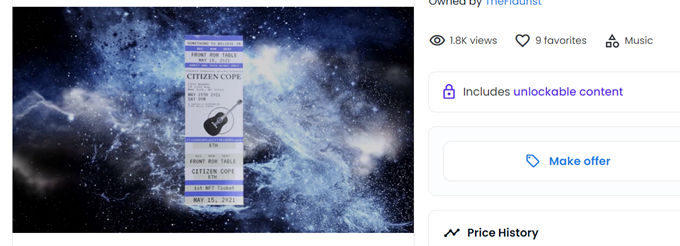
The ticket sales for pop rock band Coldplay's Helsinki gigs sparked a lot of discussion and even angry speeches in July 2023 (Partanen, 2023). The ticket sales used dynamic pricing, familiar from airplanes and hotels, in which the price changes according to demand. Dynamic pricing is one of the innovations in the field of performing arts ticket sales made possible by information technology and algorithms. The selling price of Coldplay tickets was not the only issue that sparked discussion. There were not enough concert tickets for everyone, so ticket resale began soon after the actual ticket sales ended. At the same time, concerns arose about the authenticity of the resold tickets, and those who had lost their tickets were warned about possible scammers (Linnake, 2023). Ticket sales seem to be changing, but dynamic pricing may just be the beginning of the next era. A much bigger change is just around the corner: NFT ticket sales. In the world of NFTs, a ticket to a Coldplay concert could have been a numbered NFT ticket purchased directly from an online store, with ownership transferred to the buyer upon purchase. Anyone could verify the authenticity of the ticket on the blockchain by looking at the ticket's history. An NFT ticket would have saved Coldplay fans many moments of excitement and frustration. In this blog, we explore how ticket sales can benefit from blockchain and NFTs. Anatomy of an NFT Ticket The special feature of an NFT ticket is related to the blockchain. The ticket is created by, for example, making a unique ticket identified by a number, which is recorded in a decentralized blockchain. The ticket can be sold, for example, on an online platform, and when making a purchase decision, the buyer can check the authenticity of the ticket by looking at the ticket's history on the blockchain. A ticket can be published as “nontransferable”, meaning it cannot be transferred to a new owner on the blockchain. It is also possible that the transfer is allowed under certain conditions. The original ticket holder can set additional conditions on the NFT ticket for resale. The conditions can include, for example, a royalty to be earned by the original holder on the resold ticket or a maximum allowed price. The information travels with the NFT on the blockchain and thus regulates the potential secondary market for the ticket. (Langston, 2023; Singh, 2023; Tan, 2023; Takyar.) In Metaverse, for example, in connection with concerts, “meet and greet” events are sometimes sold, where ticket holders get to meet the artist they admire in a virtual backroom. These limited VIP tickets are put on the market in a very limited number. The value of the ticket is often sought through an auction mechanism, where the ticket price is set according to supply and demand. If the ticket holder decides to sell the ticket, the original ticket holder also receives a share of the increased ticket sales price in their own virtual wallet. At the same time, the new buyer can always peek at the ticket history on the blockchain and thus ensure that it is not a pirated ticket. From paper ticket to QR code - what about collectibles? Paper concert tickets have their own loyal following. They also come with risks: getting lost, getting damaged in the rain or other misfortune can result in the entire ticket being lost. There is also a lot of counterfeiting of paper tickets. This has been addressed by QR code-based tickets sent to smartphones. The problem with QR codes is that it is difficult for the buyer to know for sure whether they have bought a genuine ticket, or whether they will be disappointed if the ticket turns out to be counterfeit (Takyar). An NFT-based ticket is more difficult to counterfeit. Each ticket is its own NFT managed on the blockchain (Langston, 2023; Singh, 2023; Tan, 2023). It is a unique product that directly contains information about which concert and which seat the ticket entitles its owner to. The ticket owner can show their NFT ticket upon entering the concert venue, and it can be scanned as a QR code or directly as a blockchain link to verify authenticity. Paper concert tickets can be valuable mementos and even collectibles. It is therefore reasonable to ask how the role of a ticket changes if its essence is a QR code that flashes on a smartphone. An NFT ticket can also be a valuable collectible, like a paper ticket, which can offer, in addition to admission, for example, music, an interview with the artist about an upcoming performance, or images of interest to fans. The content is only available in conjunction with the ticket, so exclusive content can increase the commemorative and collectible value of the ticket (Singh, 2023). An NFT ticket can also include products that are available for a limited time, such as a digital tour shirt to wear as an avatar during a concert and a physical version of the same shirt to be sent by mail. The ticket can therefore provide access to various additional services and products. Ticket services already exist There are already several commercial NFT ticket services available. They are distinguished from each other mainly by the different functionalities of the sales platforms, the blockchain used, the NFT standard used and the type of tickets. In addition to tickets, sales platforms can also have a significant number of other digital products related to the artist. For example, Dutch company GUTS tickets offers a blockchain-based ticket management service using the GET protocol it developed. During its existence, the company has sold over 4.2 million tickets for over 19,000 events (NFT ticket explorer 2.8.2023), and each ticket can be viewed on the blockchain. This creates a huge amount of data that can help concert organizers in data-driven potential assessment of ticket prices, sales times and concert occupancy rates. YellowHeart combines community participation with its tickets. Community members only get to see content targeted at them. They can also participate in, for example, ticket pre-sales and private events organized only for club members in the metaverse. The ticket therefore functions as a kind of web3 version of a fan club, uniting fans into a community, the activities of which are activated in YellowHeart's own metaverse, among other things. A somewhat similar club mentality has also been implemented in the field of music festivals, with the participation opportunity for Coachella integrated into the Fortnite game, which included lifetime access to ten auctioned NFT tickets (Disalvo, 2022; Langston, 2023). However, the ticket lost its value after the collapse of the FR cryptocurrency exchange operating in the Bahamas (Disalvo, 2022). The crypto world is still quite poorly regulated, and it has clear risks for users. Many things can go mainstream even with a single event. For example, the UEFA Champions League match between Real Madrid and Liverpool was delayed due to ticket counterfeiting. Police had to use tear gas to restore order (Polden, 2022). Michel Cadot, the French government’s Olympic ambassador, even proposed the introduction of blockchain tickets for the 2024 Paris Olympics. This could well be a step towards the normalization of NFT tickets for the event industry. Let's return to the Coldplay concert ticket dilemma mentioned at the beginning of this blog. The leap into the crypto world may seem complicated from a consumer's perspective. Ticket shops have indeed paid a lot of attention to user interfaces. One key step forward for consumers is, for example, the cryptocurrency eEuro, which is directly comparable to the euro. For the future, it is essential to ensure that shopping is also easy and risk-free for consumers in web3 environments. LÄHTEET Adele (2022). Paris 2024 Olympics May Introduce NFT Tickets. NFTevening news 14.6.2022. Disalvo, T. (2022). Coachella’s lifetime pass NFTs made unavailable due to FTX cryptocurrency crash. NME Music News 21.11.2022. Langston, T. (2023). NFT Tickets Are the Future of Live Events. Here’s Why. NFT now 30.3.2023. Linnake, T. (2023). Coldplayn loppuunmyydyt keikat synnyttivät ikävän ilmiön – näin Lippu.fi kommentoi. Iltasanomat 1.8.2023. Partanen, T. (2023). Coldplayn konserttien ennakkomyynnistä tuli uskomaton ryntäys – näin valtava ihmismassa yritti saada lippuja. Iltasanomat 25.7.2023. Polden, J. (2022). UEFA blame "fake tickets" for Champions League chaos as Liverpool demand investigation. Mirror sport news 29.5.2022. Singh, O. (2023). What is NFT ticketing and how does it work? Cointelegraph 14.2.2023. Tan, C. (2023). Seatlab NFT CEO Ryan Kenny Discusses How NFTs are Disrupting the Ticketing Industry. Metaverse post 23.3.2023. Takyar, A. (nn). Ticketing disrupt the ticketing industry? LeewayHertz blogit. KIRJOITTAJA Krista Jäntti on EventuallyXR-yrityksen perustaja ja toimitusjohtaja. Hänen erikoisosaamisalueenaan on metaversumiin ja tekoälyyn liittyvien uusien liiketoimintapalvelujen konseptoiminen sekä käyttäjäkokemusten suunnittelu ja tutkiminen. Krista on toiminut neuvonantajana lukuisissa suomalaisissa yrityksissä, kuten Varjo, Zoan, KONE, Sulava, LähiTapiola ja Nokia. Katri Halonen (Metropolian amk) toimii projektipäällikkönä Euroopan unionin osarahoittamasa LUME-hankkeessa, joka paikantaa web3:n mukana tulevia muutoksia luovien alojen ansaintaan.
Lohkoketjut avaavat uusia mahdollisuuksia musiikkialan sijoitustoimintaan
Musiikin kuluttajana voit tukea muusikoita esimerkiksi käymällä keikoilla tai ostamalla levyjä. Musiikkialalle sijoittaminen sen sijaan on ollut tähän asti melko hankalaa, sillä musiikin kuluttajille ei ole ollut sijoitusmekanismeja käytössä. Teknologian kehitys ja digitaalinen maailma voi kuitenkin tuoda tähän muutoksen. Tekijänoikeudet osana musiikkialan sijoitusmarkkinoita on mielenkiintoinen ajatus ja jo kokeiluihinkin johtanut ilmiö. Digitaalinen maailma luo meille uusia sijoituskohteita aineettomien hyödykkeiden ja niiden lohkoketjupohjaisen hallinnoinnin kautta. Tämä blogikirjoitus keskittyy pohtimaan, miten musiikkialalle voisi sijoittaa lohkoketjuympäristössä. Millaisia uusia sijoituskohteita tai sijoittajia lohkoketjut avaavat musiikkialle? Tekijöiden kustannusoikeudet nousevana sijoituskohteena Musiikkiteollisuuden asiakkaalle näkyvimpiä osia ovat usein esitys- ja levytystoiminta. Näiden takana on tekijän keskeisin pääoma: tekijänoikeuteen pohjautuva kustannussopimus. Sopimuksen puitteissa musiikin tekijät siirtävät oikeuksien hallintaa kustantajalle, joka saa osan tekijänoikeustuloista. Kustantajan tehtävänä on levittää, markkinoida ja hallinnoida biisejä. Kustannustoiminnassa pyörivät isot pääomat ja niistä käydään aktiivista kauppaa. Viime aikoina niistä on keskusteltu myös mahdollisina sijoituskohteina. Yksi musiikin sijoittamistoiminnan edelläkävijä on brittiläinen pörssiyhtiö Hipgnosis Songs Fund, joka on koonnut musiikkikappaleiden tekijänoikeuskatalogin ostamalla kymmenien tuhansien laulujen kustannusoikeudet. Katalogiartisteina on mukana huomattava määrä kansainvälisesti erittäin menestyneitä muusikoita. (Ylä-Anttila 2022; Sirén, 2021; Hipgnosis, 2022.) Joukosta löytyy esimerkiksi suuri osa pitkän linjan popyhtye Fleetwood Macin hittikappaleista ja yli puolet Neil Youngin kappaleista (Ylä-Anttila 2022; Määttänen 2021). Hittikappaleet saattavat säilyttää arvonsa hyvinkin pitkään, ja niitä on mahdollista jaella digitaalisena useita eri kanavia pitkin. Tämä nostaa niiden kiinnostavuutta sijoituksena. Rahoitusmarkkinoiden heilahtelut eivät juurikaan vaikuta musiikin kuunteluun, ja yksittäinen hittikappale voi pyöriä kymmeniä vuosia elokuvissa ja mainoksissa tuottaen sijoittajalle rojaltimaksuja (Hermansson, 2022), joiden kertyminen jatkuu vielä 70 vuotta musiikin tekijöiden kuoleman jälkeen. Tuloa kertyy miljoonista yksittäisistä mikrotapahtumista kuten suoratoiston kuuntelusta, albumin ostosta tai latauksesta, esitystoiminnasta, lisensoinnista ja synkronisoinnista esimerkiksi AV-tuotteiden osaksi. Artistin näkökulmasta Hipgnosisin kaltainen toimija voi olla kiinnostava kumppani, koska se on valmis maksamaan kappaleen tekijänoikeuksista tietyn könttäsumman kerralla. Perinteiset tekijänoikeusmaksut ilahduttavat varmasti artistin perikuntaa tämän kuoltua, mutta moni artisti arvostanee rahallista korvausta työstään jo ollessaan vielä itse elossa. Tokenien avulla sijoitustoimintaa ja investointeja piensijoittajien tarpeisiin Musiikkialan keskeisiä sijoittajia ovat olleet perinteisesti mm. levy-yhtiöt. Kiinnittäessään uuden musiikin tekijän tai esittäjän rosteriinsa yhtiö sitoutuu ja investoi heidän uransa edistämiseen. Monikansallisten levy-yhtiöiden rooli on kasvanut tässä keskeiseksi ja osin vaikeuttanut ulkopuolisten itsenäisten toimijoiden pääsyä markkinoille. Uusien tuotantojen tueksi on avattu joukkorahoitukseen keskittyviä palveluita, kuten esimerkiksi Intiassa lanseerattu musiikkialalle suunnattu FanTiger -palvelu. Se antaa riippumattomille artisteille reitin avata tulevia projektejaan faneilleen joukkorahoituksen saamiseksi. Fanit voivat tukea uuden musiikin lanseerausta ostamalla ennakkoon NFT-albumin – tosin palvelun valikoimissa on ainakin vielä lähinnä intialaisia musiikkigenrejä. (Halonen ja Tervonen, 2023). Sijoitusmahdollisuuksia voi kehittää eteenpäin tästä tokenisoinnin avulla. Termille ”token” ja siitä johdetulle ”tokenisoinnille” ei ole olemassa vakiintunutta suomenkielistä ilmaisua. Sitran tulevaisuussanastossa tokenin suomennokseksi esitetään digitaalista rahaketta, mutta se ei taivu sujuvasti verbiksi. Siksi tässä blogikirjoituksessa puhutaan tokeneista ja tokenisoinnista. Tokenisointi tarkoittaa omaisuuden, kuten musiikkisisällön, muuntamista digitaaliseksi lohkoketjuun tallennettavaksi tokeniksi. Tämä mahdollistaa digitaalisten varojen omistamisen, siirtämisen ja vaihtamisen ilman perinteisiä välikäsiä, kuten esimerkiksi pankkeja tai pörssivälittäjiä (Marinov, 2023; coinmotion, 2023). Tokenisointi on jonkin varallisuuserän tai vaikkapa jonkin oikeuden (kuten tekijänoikeus) muuttamista digitaaliseksi yksiköksi, jolla voidaan käydä kauppaa. Tokenisoinnin ytimessä on omaisuuden jakaminen pieniin kaupankäynnin osiin, tokeneihin. Kunkin tokenin hinta määräytyy omaisuuden kokonaisarvon ja siihen suhteutettuna tokenien määrän mukaan. Esimerkiksi uusi albumi voidaan tokenisoinnin avulla jakaa moniin pieniin kappaleisiin/osiin, joita voidaan myydä yksittäin digitaalisilla markkinoilla. Tällainen toiminta olisi uutta musiikkialalla, ja se mahdollistaisi uuden sijoituskohteen heille, jotka haluaisivat tarkastella alaa sijoitusnäkökulmasta. Musiikin tekijänoikeuksien kautta voitaisiin myydä osa rojaltituloista faneille tai muille sijoittajille. (Utopia Genesis Foundation 2021.) Token toimii omistusoikeuden todisteena, ja tätä tokenia voidaan lohkoketjun avulla kaupata tai siirtää tehokkaammin kuin tuntemiamme perinteisiä varoja (Coinmotion, 2023). Tokenisointi voi avata musiikkifaneille uuden ja mielenkiintoisen sijoitusalan. Esimerkiksi muusikko voi tokenisoida tuoreen albuminsa, jolloin se on kohtuuhintaan usean piensijoittajan saatavilla. Sijoittajat puolestaan voisivat helposti sijoittaa uusiin artisteihin, ja mahdollisesti saada myös sijoituksilleen tuottoa. Sweet Dreams (Are Made of This) Hipgnosis songs (2021) julkaisee sivustollaan tapauskertomuksia menestyksekkäistä sijoituksista. Esimerkiksi David A. Stewartin ja Annie Lennoxin muodostaman Eurythmics-duon yksi tunnetuimmista kappaleista on Sweet Dreams (Are Made of This). Se on ollut kaupallinen menetys sekä Euroopassa että Yhdysvalloissa niin suoratoistopalveluissa kuin radioissakin, minkä vuoksi siitä tulee jatkuvia tekijänoikeustuloja. Kappaleen käytöstä on tehty myös sopimuksia muun muassa Samsungin, Realtor.com ja yhdysvaltalaisen kiinteistönsivuston mainoksissa. Se löytyy myös Sonyn PlayStationin The King -pelin taustalta, ja suunnitteilla on yhteistyö Sony Picturesin Cinderella remake -version kanssa. (Hipgnosis songs, 2021.) Tämä kaikki tuo toteutuessaan sijoittajille osuuden tekijänoikeustuloista kappaleesta, joka on julkaistu jo 40 vuotta sitten. Tokenipohjaista piensijoittamista tehdään muun muassa Royal-alustalla. Tyypilliset albumiin tehtävät investoinnit vaihtelevat 50 ja 200 dollarin välillä, sijoittajia on noin 100–200 ja rojalti yhtä tokenia kohden on 0,05 ja 0,30 % välillä (Royal, 10.3.2023). Tokenit tarjoavat fanille uudenlaisen mahdollisuuden tukea artisteja: samalla kun tukee haluamaansa taiteilijaa, saa myös rojaltipohjaisen omistussuhteen joukkorahoitteiseen sisältöön. Tokenisointi ja tekijänoikeuksien myyminen voi olla tulevaisuuden musiikkialan kehitysaskeleita. Aiheeseen liittyy kuitenkin paljon vielä kysymyksiä, joihin eri alojen tulisi löytää vastaukset. Kuka olisi esimerkiksi se taho, joka toimisi tokenien liikkeeseenlaskijana? Jos se ei ole säännelty rahoituslaitos, miten varmistetaan, että ostettava token edustaa todellista omaisuutta? Oman riskinsä luo myös se, että suuri osa alustoista toimii kryptovaluutoilla, joita on olemassa jo yli 22 000 kappaletta ja uusia syntyy koko ajan (Osakesijoittaja, 2023). Sijoittajan riskien näkökulmasta aiheeseen liittyy osittain samoja ongelmia ja kysymyksiä kuin virtuaalivaluuttoihin muutoinkin. Osa virtuaalivaluutoista kulkee kuitenkin kohti rahan arvon sitomista viralliseen valuuttaan, kuten Yhdysvaltain dollariin tai euroon. Lohkoketju tuo tullessaan niin musiikin ystävälle kuin puhtaasti sijoitustoiminnastakin kiinnostuneelle mielenkiintoisen alueen. Mukana on paljon kauniita unelmia ja idealismiakin, mutta myös paljon mahdollisuuksia – jos niihin vain uskalletaan tarttua! Lähteet Coinmotion (2023).Suomalainen stablecoin – Membrane Finance julkaisi EUROe-stablecoinin. Haastattelussa Juha Viitala. Coinmotion 9.2.2023. Halonen, K. ja Tervonen, A. (2023). NFT musiikin tekijöiden tulovirtojen lisääjänä - Luovat metaversumissa Metropolia Ammattikorkeakoulu Luovat Metaverumissa blogi 1.3.2023. Hermansson, M. (2022). Musiikkikatalogit – taiteilijan elämäntyö ja sijoittajan unelma. Thomann blogit 23.1.2022. Hipgnosis Songs (2022). Interim report for the period ended 20 September 2022. Hipgnosis songs fund. Hipgnosis Songs (2021) The Anatomy of a Song. David A. Stewart’s Sweet Dreams (Are Made of This) (2021). Annual Report 2021. Hipgnosis Songs Fund Limited, p 18. Leppänen, M. (2018). Lohkoketjun "kolmas vallankumous" on käsillä – mullistavatko digitaaliset arvopaperit sijoittamisen, vai tuleeko niistä vain kryptohypen seuraava aalto? Yle 10.11.2018. Marinov, E. (2023). Varojen ja niiden käytön tokenisointi. Escrypto artikkeli (5). 5.2.2023 Määttänen, J. (2021). Neil Young myi puolet kaikkien kappaleidensa oikeuksista yli 120 miljoonalla eurolla sijoitusyhtiölle: “Tämä muuttaa yrityksemme ikiajoiksi”. Helsingin sanomat 6.1.2021. Osakesijoittaja (2023). Kryptovaluutta 2023. Osakesijoittaja.fi -sivusto 10.3.2023. Sirén, V. (2021). Mies, joka ostaa musiikin. Helsingin sanomat 19.3.2021. Royal (2022). Kotisivulla oleva artistien myyntiosasto. Royal Invest in Music 10.3.2023. Utopia Genesis Foundation (2021). Music tokenization - how it will change the music industry and why you should care? Utopia Genesis Foundation blogs. Medium 14.7.2021. Ylä-Anttila, A. (2022). Musiikkiin sijoittaminen on nouseva ilmiö, arvioi alan brittikonkari – ”Rahaa liikkuu paljon, vaikka siitä ei hirveästi puhuta”. Kauppalehti 7.2.2022. Kirjoittajasta Musiikkipedagogi YAMK -tutkinnosta valmistunut Aili Tervonen on toiminut musiikkialalla aiemmin freelancer-pianistina ja opettajana, mutta päätynyt sittemmin työskentelemään opetus- ja kulttuuriministeriöön. Valtiolla työskentely on saanut Tervosen pohtimaan musiikkialan asemaa yhteiskunnassamme. Musiikkialan tulisi pystyä parantamaan muusikoiden työmarkkina-asemaa, kehittämään alaa eteenpäin sekä moninaistaa alan ansaintalogiikoita. Tämän vuoksi Tervonen päätyi tutkimaan YAMK-tutkinnossaan NFT-teoksia ja virtuaalivaluuttoja. Lue lisää: https://www.theseus.fi/bitstream/handle/10024/751689/tervonen_aili.pdf?sequence=2
Musiikkimaailman vallankumous odottaa kulman takana: Internet of Musical Things
Älykäs kitara, tärisevä puettava metronomi ja konserttikokemukseesi reagoiva LED-ranneke ovat osa kasvavaa ilmiötä, joka tunnetaan nimellä musikaalisten esineiden internet. Tässä blogissa pohdin, mitä se tuo tullessaan musiikin tekijöille, esittäjille, välittäjäportaalle ja yleisölle. Musiikillisten esineiden internet (Internet of Musical Things, IoMusT) yhdistää toisiinsa esimerkiksi internettiin liitettäviä älysoittimia, älypuhelimia, älypuhelimen suoratoistopalveluita, laajennetun todellisuuden kokemuksien aikana käytettäviä laitteita sekä kosketusantureita sisältäviä, tietoa kerääviä ja edelleen lähettäviä laitteita. Näiden laitteiden välinen kommunikointi muodostaa oman verkostonsa — musiikillisten asioiden internetin (ks. Turchet ym. 2020; 2022). Musiikin ja teknologian yhdistävän verkoston kehittymisen myötä tulevaisuuden horisontissamme kajastaa varsin uudenlainen todellisuus. Kun esimerkiksi jammailet Samsuning ZamStar-älykitaraa soittaen ystäviesi kanssa ZamStarin alustalla, hyödynnät IoMusT-verkkoa (Roche, 2022). IoMusT yhdistää musiikin tekijöitä ja esittäjiä toisiinsa, mutta myös alan välittäjäportaaseen ja yleisöön. Samalla laitteiden välinen kommunikointi luo tulevaisuutta, jossa on uusi tapoja luoda, kehittää ja kokea musiikkia. Älykkäät laitteet ja muusikoiden yhteisöllinen luovuus Älykkäiden musiikkilaitteiden ja -järjestelmien kehittyminen on nopeaa. Sinänsä musiikkialalla on jo pitkä historia laitteiden välisen digitaalisen yhteyden rakentamisesta etenkin 1990-luvulla yleistyneen MIDI (Musical Instument Digital Interface) protokollan myötä (Bateman, 2012). Protokolla on kuitenkin IoMusT:n kannalta hidas, ja tulevaisuuden näkymänä onkin siirtymä semanttiseen verkkoon, joka pyrkii nopeampana teknologiana tekemään internetin tiedosta älykkäämpää ja hyödyllisempää sekä ihmisille että koneille. Yksi kehittämisen kohde ovat älykitarat. Esimerkiksi Samsungin ZamStart opettaa led-opastevaloin löytämään älykitaran kaulalta oikeat soinnut. Sensus Smart Guitar puolestaan rekisteröi sensorien avulla soittotekniikoita ja liikkeitä, kuten sormien kosketuksen, otelaudan paineen ja kitaran kallistuksen (Turchet ym., 2017). Kitaran signaaliprosessorin avulla voidaan lisätä ääniefektejä reaaliaikaisesti. Älysoittimien ohella keskeinen kehitysalue ovat älykkäät laitteet ja sovellukset, jotka mahdollistavat muusikoiden etäyhteistyön reaaliajassa. Kitaran mukana tulevan älypuhelinsovelluksen avulla muusikot voivat nauhoittaa soittoaan, editoida pätkiään ja yhdistellä niitä toisten luomuksiin. Tämä avaa uusia mahdollisuuksia kansainväliselle yhteistyölle ja luovuudelle säveltäjien, esittäjien, äänituottajien, live-ääniteknikoiden ja jopa yleisön yhteisöissä (Turchet, 2019). Yhteisölliset alustat voivat myös tarjota tilaisuuksia jakaa ja kehittää musiikkia yhdessä muiden muusikoiden ja kuulijoiden kanssa (Turchet ym., 2022). Ehkäpä näistä tulee meidän opettajienkin tulevia etäpedagogisen työn tukivälineitä. Sensorien avulla on myös etsitty uudenlaisia keinoja kokea musiikkia. Puettavat haptiset (tuntoaistiin perustuvat) laitteet voivat seurata muun muassa eleitä ja mahdollistaa ääni- ja muiden parametrien hallinnan eleiden ja kehon liikkeiden avulla (Turchet ym., 2020). Samalla kun ne voivat parantaa esityksiä, niillä voi olla tärkeä rooli muusikolle terveyden omaseurantaan. Antureiden kautta muusikko voi seurata esimerkiksi stressitasoaan ja ryhtiään, joiden optimoinnilla on tärkeitä pitkän aikavälin vaikutuksia. Lohkoketjuista ja älysopimuksista tukea oikeuksien hallintaan Musikaalinen esineiden internet mahdollistaa musiikin tekemisen ohella uusia keinoja hallita muun muassa tekijänoikeus- ja rojaltimaksuja (Turchet ym., 2022). Muutoksen yksi ajuri on lohkoketjujen yleistyminen. Lohkoketjupohjaisessa IoMusT:ssä tekijänoikeuksien ja rojaltien hallintaa voidaan tehdä älysopimuksin hajautetusti, jolloin tiedon hakkerointi on vaikeaa (Turchet ym., 2022). Älysopimukseen kirjattu tieto on läpinäkyvää, ja siellä olevat käyttöön liittyvät säädökset seuraavat kaikkialle digitaalisen sisällön mukana. Lohkoketjuissa kompensaatiot musiikin käytöstä siirtyvät mikromaksuina reaaliaikaisesti älysopimuksessa kirjatulla tavalla oikeuksien haltijoille ilman välikäsiä ja riskiä heidän aiheuttamistaan mahdollisista viiveistä tai inhimillisistä virheistä. Mitä vahvemmin yhteistyötä tehdään verkossa — usein myös tekoälyä hyödyntämällä — sitä tärkeämpää on varmistaa, että tekijänoikeudet ja omistajuus säilyvät selkeinä ja oikeudenmukaisina. Samalla kun rojaltit ja tekijänoikeudet saattavat tulla lohkoketjuissa tehokkaasti lähes reaaliaikaisesti oikeuksien omistajille, itse oikeuksien omistajuuden käsite saa uusia sävyjä (kts. Turchet ym. 2022). Esimerkiksi kuulijoiden dataa voidaan käyttää monipuolisesti musiikin kehittämisessä, mutta on epäselvää, miten heidän rooliaan säädellään IoMusT-järjestelmässä. Tämä edellyttääkin uusia sääntelykäytänteitä ja teknologioita, jotka suojelevat sekä muusikoiden että sen tekemiseen osallistuvien kuulijoiden oikeuksia. Yleisön ymmärryksen uusia tasoja Esimakua uudentyyppisestä yleisön teknologiavälitteisestä osallistumisesta saatiin jo liki kymmenen vuotta sitten, kun Taylor Swift järjesti albuminsa ”1989” tukemiseksi musiikkikiertueen vuonna 2015. Siellä faneille jaettiin led-rannekkeita heidän saapuessaan tapahtumapaikalle. Rannekkeet sisälsivät infrapunatransmettereitä ja RFID-sirun (Marellabudi, 2020), joiden avulla rannekkeeseen tuli valoja musiikin ja konserttivieraan liikkeen tahdissa. Näin yleisöstä tuli osa konserttia, ja yleisön valomeri loi osaltaan faneille entistä yhteisöllisemmän konserttikokemuksen. Sittemmin laitteiden kehittymisen myötä musiikin kokemiseen on käytetty yhä immersiivisempiä välineitä, kuten VR-lasit ja haptiset laitteet. Laitteet voivat auttaa rakentamaan uudenlaista muusikon ja yleisön välistä kommunikointia sekä virtuaalisessa että jaetussa ympäristössä. Biometrisen datan avulla muusikko voi ymmärtää hyvinkin syvällisesti yleisön kokemusta mm. kiihtymyksen ja tunteiden tasosta kertovien elektroenkefalogrammisten vaihteluiden (EEG), sykkeen, galvaanisen ihoreaktion, lihasaktiivisuuden, silmänliikkeen ja hengityksen vaihtelujen perusteella (Turchet ym., 2022, 4). Tämä voisi auttaa esimerkiksi valitsemaan esitettäviä kappaleita ja suunnittelemaan niiden järjestystä yleisön tunnereaktiot huomioiden. Parhaillaan syvä tieto yleisön kokemuksesta voi antaa muusikoille avaimia suunnitella yhä monipuolisempaa konserttielämystä. Musiikki voi tulla myös uudella tavalla osaksi musiikinystävän arkea. Esimerkiksi älykkäät kaiutinjärjestelmät voivat oppia käyttäjän musiikkimieltymyksistä eri tilanteissa ja sen perusteella mukauttaa sekä luoda uusia soittolistoja oppimansa pohjalta. Kaiuttimet voivat synkronoitua älykodin muiden laitteiden kanssa, jolloin musiikki voi esimerkiksi seurata käyttäjää huoneesta toiseen saumattomasti. Älykkäät musiikkijärjestelmät voivat myös tarjota dynaamisen äänenlaadun, joka mukautuu ympäröivän tilan akustiikkaan ja biometristen tunnisteiden avulla myös mielialaan tarjoten yksilöllisen kuuntelukokemuksen. Musiikin terapeuttiset hyödyt ovat laajalti tunnettuja. Ehkäpä tulevaisuudessa IoMusT tuo uutta välineistöä hyötyjen tuomiseksi käyttäjän arkeen. Esimerkiksi älykkäät laitteet voivat tarjota yksilöllisiä musiikkiterapiaohjelmia, jotka mukautuvat käyttäjän mielialaan ja fysiologisiin tarpeisiin. Näitä sovelluksia voitaisiin käyttää esimerkiksi stressin vähentämiseen, unihäiriöiden hoitamiseen ja kuntoutuksen tukena. IoMusT kehityksen haasteita IoMusT luo maailman, jossa lukuisat musiikilliset laitteet ovat yhteydessä ja vuorovaikutuksessa käyttäjiensä ja ympäristönsä kanssa keräten tietoa ja automatisoiden tiettyjä tehtäviä. Myös musiikkialaan liittyvät piirteet, kuten tekijänoikeuksien tehokas hallinta ja rojaltien nopea maksaminen, voivat hyötyä lohkoketjuista ja IoMusT:stä. Kehityskulku sisältää kuitenkin myös ratkaisemattomia kysymyksiä ja riskejä. Nykyisellään internetin reagoinnin hitaus voi muodostua eri sovellusten käyttämisen pullonkaulaksi. IoMusT-laitteet tarvitsevat nopean konsensusprotokollan voidakseen kommunikoida keskenään. Mikäli kaistanleveyden riittämättömyyden ja verkkoliikenteen kuormituksen ongelmat jäävät ratkaisematta, esimerkiksi reaaliaikaista monipaikkaista yhteismusisointia vaivaavat hitaus ja viiveet. Alan kehittymisen kannalta tarvitaan alustasta riippumattomia ratkaisuja, jotka ohjaavat musiikkiesineiden, lohkoketjun ja IoMusT-toimijoiden välistä vuorovaikutusta. Lisäksi kestävän kehityksen näkökulmasta energiatehokkuus suurien tietomäärien käsittelyssä ja vertaisverkkoviestinnässä on kriittisen tärkeää. Tulevaisuudessa IoMusT saattaa vähentää esteitä monipaikkaisen ja yleisön kanssa interaktiivisen korkealaatuisen musiikin luomiselle ja esittämiselle. IoMusT ei vain muuta teknistä ympäristöämme, vaan se muokkaa myös musiikillisen luovuuden ja ilmaisun tulevaisuutta. Lähteet Bateman, T. (2012). How MIDI changed the world of music. BBC News 28.11.2012. https://www.bbc.com/news/technology-20425376 Marellabudi, T. (2022). What Is the Internet of Musical Things (IoMusT)? All about Circute News 24.4.2020. https://www.allaboutcircuits.com/news/what-is-the-internet-of-musical-things-iomust Roche, S. (2022). Samsung is releasing a guitar with LED guide lights on its fretboard. Guitar World news 4.1. 2022. https://www.guitarworld.com/news/samsung-zamstar Turchet, L., Benincaso, M. & Fischione, C. (2017). Examples of use cases with Smart Instruments. AM '17: Proceedings of the 12th International Audio Mostly Conference on Augmented and Participatory Sound and Music Experiences, Article No.: 47, Pages 1–5. https://doi.org/10.1145/3123514.3123553 Turchet, L. (2019). Smart musical instruments: vision, design principles, and future directions. IEEE Access 7 (2019) 8944–8963, http://dx.doi.org/10.1109/ Turchet, L., Antoniazzi, F., Fabio, V. & Fazekas, G. (2020). The Internet of Musical Things Ontology. Web Semantics: Science, Services and Agents on the World Wide Web 60 (2020) 100548. https://doi.org/10.1016/j.websem.2020.100548 Turchet, L. & Ngo, C.N. (2022). Blockchain-based Internet of Musical Things. Blockchain: Research and Applications 3 (2022) 100083. https://doi.org/10.1016/j.bcra.2022.100083 Katri Halonen (Metropolian amk) toimii projektipäällikkönä Euroopan unionin osarahoittamasa LUME-hankkeessa, joka keskittyy luovan alan uusin ansaintamalleihin.
NFT as an additional source of income for music creators
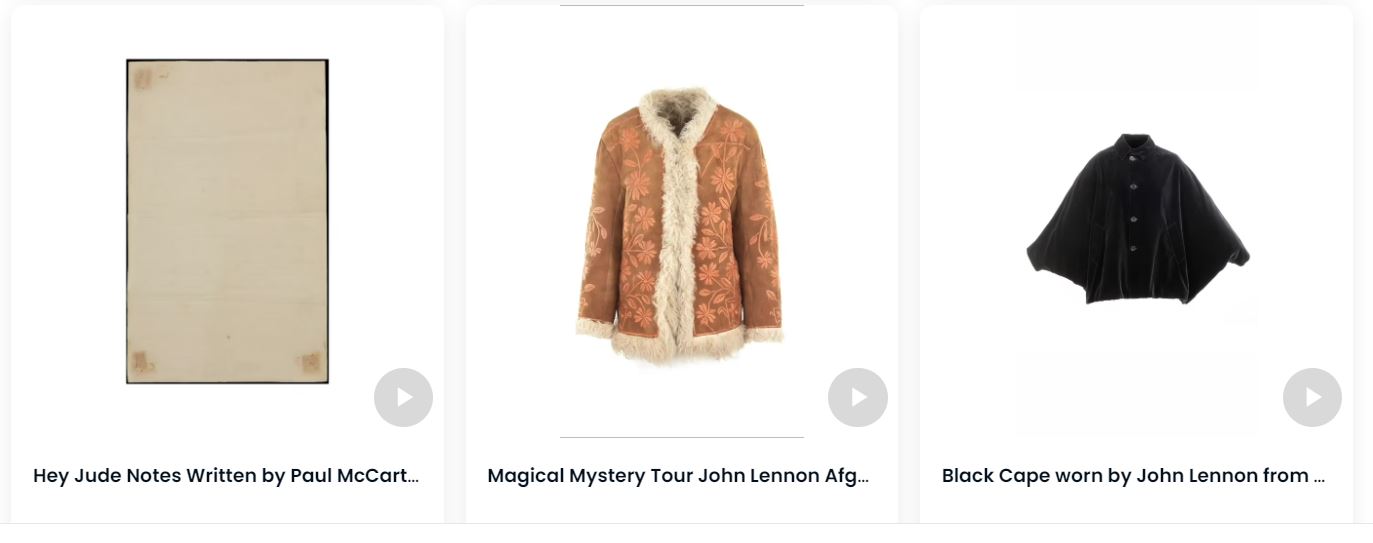
The music industry is talking about blockchain technology as one of the growth directions in the industry. Could it also offer opportunities for music creators to earn additional income? This blog will consider what the process of entering the NFT market is like from the perspective of a musician building their career. The background is a practical experiment reported in Aili Tervonen's (2022) thesis. Blockchain technology is seen as a solution to the mechanisms that have long plagued the music industry, where currently only about 12% of the industry's turnover is generated for music creators (Bazinet et al., 2018). The remaining part is processed by the so-called intermediary layer, which makes the content available to fans. The value chain includes, for example, those who provide publishing, recording, agency and management services. Some industry players see blockchain as a way to take control of creative work back to its creator. There has been talk, among other things, of “IP rights decentralization” (Jalonen, 2022), which refers to the decentralization of the management of intellectual property rights. Decentralized rights management could resolve the perceived imbalance between wide distribution and fair compensation. For others, blockchain appears as a challenger that forces a reassessment of the already established business models of the music industry, in which the management and exploitation of copyright have been key. Recently, there has been an active discussion about blockchain-based non-fungible tokens (NFTs), which are at the heart of new content ownership. NFTs have also been considered as a source of income generation for young musicians operating outside of multinational corporations (Langston, 2022). From recording sales to increasingly diverse content A music NFT is typically a song, album, lyrics, or music video stored on the blockchain. It can also be, for example, a composition created by a generative computer program that algorithmically visualizes the work using random patterns, colors, sounds, and/or shapes (Langston, 2022). A music NFT can also be a concert ticket or an album cover. NFTs also help to build a new kind of culture in the music industry. NFTs can be, for example, collector's cards aimed at fans, pictures of the artist, versions of different stages of the creation of a song, or almost anything related to the artist that has value to fans. According to Sitra's definition, an NFT is a digital file management certificate. The transfer history of the digital file management is recorded using blockchain technology. Some of these digital management certificates (NFTs) sold on NFT marketplaces do not contain any rights recognized in legislation. According to Sitra, this is because the legal status of NFTs is still unclear. (Sitra 2023.) A young music creator quickly encounters a number of seemingly challenging choices that have a strong to binding impact on the future and profitability of the product or service in question. A key choice is the type of content exported as an NFT: A 1/1 NFT is a single, unique product. It is completely exclusive. The analogy is often used with paintings in our physical environment, of which there is only one original. With an open edition, an NFT can be made in unlimited quantities, for example to commemorate participation in an event organized in the metaverse. However, that edition is usually only made for a certain period of time, after which it is no longer available. With a limited edition, a certain number of individual NFTs are made. Many collections consist of editions of 10,000 pieces, for example. There are advantages and disadvantages to different release models. A single 1/1 NFT is a unique collector's item. The Mona Lisa is often used as an example: there is only one genuine copy, which has a high price. Open editions can be used to celebrate a specific moment, for example, and are collector's items available only to participants. A limited edition serves, for example, as a pre-sale of tickets. Blockchain brings added value to music NFT trading In the music industry, the added value of blockchain lies in its various means of exchange and the uniqueness of the NFT token. Only one person can own a single NFT, and all purchase and sale transactions related to that token are recorded in a “ledger” maintained by the blockchain. For example, the path of each NFT is openly visible to everyone, and the NFT acts as a proof of authenticity. For example, a fan buying an NFT concert ticket can check the authenticity of the NFT on the blockchain before making a purchase decision. If they sell the ticket on, the new buyer can also see the chain of ticket owners and can check the authenticity against the ticket history recorded on the blockchain. The restrictions and rights related to the use of NFTs are managed by smart contracts that follow the individual NFT in question with every transaction. For example, during the creation phase, it is decided what share the creators will take as royalties if the NFT is resold. This way, the original creator will receive passive income and benefit from, for example, the increase in the value of the NFT. In the music industry, the increase can be really large, because for some artists the future can bring widespread global success. For this reason, Tervonen (2022) wonders whether in the future one of the motives for a budding artist to buy NFTs could be investment instead of fandom. Creatives often find pricing difficult. One solution to this challenge on the blockchain is to use auctions. This allows NFTs, such as a VIP add-on service built around a concert, to be sold in limited editions at the best price at the time. By utilizing the pre-sale mechanism, fans can invest in an artist of their choice, for example by financing the production of an album in advance. As a reward, they can receive their own NFT for a limited edition of the new album. In India, a FanTiger service aimed at the music industry has been launched, which gives independent artists a route to open their future projects to their fans for crowdfunding. Fans can support the launch of new music by pre-purchasing an NFT album from a selection that currently includes quite a few Indian music genres. At the same time, fans can be critically important marketing messengers when taking new content to the social platforms and communities of their networks (Nahar, 2022). NFTs and cryptocurrencies are also of interest to criminals The NFT market has rapidly become a new area of activity in the music industry. Regulation is still quite incomplete, and there are many question marks surrounding NFT trading. Issues that need to be resolved include the security of smart contracts, legally valid ownership, and the regulation and taxation of virtual currencies (Lindgren et al., 2023). Blockchain technology can also be misused. Last year, the NFT marketplace Cent suspended most of its trading due to abuse. The platform sold certificates of ownership for content that was not the property of the person who uploaded the NFT to the platform. Market manipulation also occurs. For example, creators of works have bought their own works to make the demand for them appear greater than it actually is (Närhi 2022). In the NFT environment, money moves through virtual currency wallets. The buyer sees the virtual wallet address on the blockchain, but the buyer remains anonymous. This makes it difficult, for example, to detect money launderers. Before diving in, look into these things Tervonen's (2022, see also Table 1) work carefully reports the steps that a musician needs to take to adopt the NFT world. It also describes the kind of expertise that each step requires. StepRequired skillsCreate a virtual currency account and acquire currencyVirtual currency advice: how to open a wallet, how to buy virtual currencies, how to connect a wallet to an NFT marketplace, how virtual currency value is created, what virtual currency alternatives exist and what risks are associated with the currency you are considering acquiring.Creating an NFT workSupport service for brainstorming NFT works to create an idea of what could be sold. Criteria for choosing a platform for selling an NFT work, technical requirements of the platform, the most important choices made on the platform regarding NFT usage rights, and the technical process of publishing.Selling an NFT workSupport services for marketplace practices, marketing planning utilizing existing channels to direct fans to the NFT platform, also support for fans to make NFT purchases (they need to learn how to use virtual currencies and understand how NFT marketplaces work). Table 1. Based on Tervonen, 2022, p.51 From a musician's perspective, NFTs may offer interesting new ways to interact economically with fans. The transition of physical fans to a virtual environment currently requires a considerable amount of expertise from fans. They must have sufficient understanding of virtual currencies, the functioning of DAOs, NFT products, and various marketplaces offering music NFTs. It is of paramount importance to identify whether each artist's fans can be reached through this. NFTs are currently still a series of development projects and directions. However, it already seems quite clear that at least some of them have found their place alongside Web2 environments. When the news talks about NFTs and music, it usually involves big money: 3LAU made $11.7 million in a 3-day auction for their new album (Brown. 2021) and Whitney Houston’s previously unreleased demo recording made when she was 17 sold for $1 million (Legaspi, 2021). In reality, audiences of millions are limited to global stars. It is likely that it will be at least as difficult for a new music creator and performer to find an audience through music NFTs as it is in a traditional physical environment. About the writer Musiikkipedagogi YAMK -tutkinnosta valmistunut Aili Tervonen on toiminut musiikkialalla aiemmin freelancer-pianistina ja opettajana, mutta päätynyt sittemmin työskentelemään opetus- ja kulttuuriministeriöön. Valtiolla työskentely on saanut Tervosen pohtimaan musiikkialan asemaa yhteiskunnassamme. Musiikkialan tulisi pystyä parantamaan muusikoiden työmarkkina-asemaa, kehittämään alaa eteenpäin sekä moninaistaa alan ansaintalogiikoita. Tämän vuoksi Tervonen päätyi tutkimaan YAMK-tutkinnossaan NFT-teoksia ja virtuaalivaluuttoja. Lue lisää: https://www.theseus.fi/bitstream/handle/10024/751689/tervonen_aili.pdf?sequence=2 Lähteet Bazinet, J.B., Singlehurst, T.A., May, M., Suva, J., Ezawa, K., Yap, A. (2018). Putting the Band Back Together. Remastering the World of Music. Citi GPS: Global Perspectives & Solutions. Brown, A. (2021). Largest NFT Sale Ever Came From A Business School Dropout Turned Star DJ. Forbes 3.3.2021. Jalonen, J. (2022). Musiikkialan kasvustrategia. Tilannekuva-raportti, 04/2022. Music Finland Ry. Johansson, P., Eerola, M., Innanen, A. & Viitala, J. (2019). Lohkoketju: Tiekartta päättäjille. Alma Talent. Langston, T. (2022). The Music NFT Bible: A Guide to the Future of Sound. NFT now guides 22.9.2022. Legaspi, A. (2021). Whitney Houston Unreleased Demo Sells for $1 Million at NFT Auction. Full-length track was recorded when singer was 17. Rollingstone 15.12.2021. Lindgren, J., Lindholm, O., Lehtonen, K., Mustikainen, H. & Niikkonen, P. (2023). 6+1 suositusta Suomelle. Miten sääntelyllä voidaan parantaa web 3.0 -liiketoiminnan edellytyksiä? Sitran selvityksiä 229. Muikku, J. (2021). Pelastaako NFT musiikkibisneksen? Musiikkikustantajat MPA Finland blogi 18.3.2021. Nahar, P. (2022). FanTiger crosses 50k transactions, enters list of top five NFT projects globally. ETMarkets.com 28.11.2022. Tervonen, A. (2022). Muuttuva musiikkimaailma: NFT-teknologiasta uusia ansaintamalleja muusikoille? Musiikkipedagogi YAMK opinnäytetyö. Metropolia Ammattikorkeakoulu.
Metaverse inspires new ways of meeting in Web 3.0
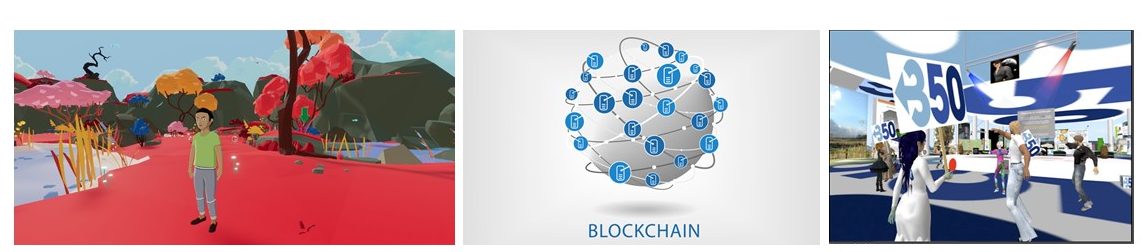
The creative industry is buzzing. In recent years, blockchains such as NFT, DAO, VR and XR have been increasingly mentioned in conversations. These are related to the web 3.0 development process, which is currently in its growth phase. This blog outlines what decentralized web 3.0 is. At the core of the blog, I am looking for an answer to what the metaverse is and how it relates to the future of creative industry players. Metaverse – a new operating environment for the creative industry The development of the Internet can be summarized in a simplified way, for example, as follows: Web 1.0 was an environment built into a network through hyperlinks, where we could see the content that was uploaded. Web 2.0 brought interactivity, which allowed users to also produce content for the internet, for example through social media. Web 3.0, which is still in development in many ways, brings with it a new kind of immersion, where the user works through an avatar in the artificial reality of the internet. There, physical and virtual reality blend more closely than before. Another dimension is created: the Metaverse, which is built from the words meta (including border-crossing) and universe. Diving into the metaverse is not only about the user experience, but also, to a large extent, about the ownership of one's own information and the underlying blockchain-based approach. In current technology, the mask used in diving is devices or sensors that are attached to people and have virtual reality programs installed on them. User interfaces are developing rapidly, and increasingly agile solutions are expected in the future. For the creative industry, the metaverse offers new global audiences and a platform to experience and offer new types of interactive and immersive experiences. The revenue logic is also different, as verification of ownership and trade of a work can be done without intermediaries, or at least with fewer intermediaries. At the core, communities instead of corporations Instead of platforms owned by large corporations or media companies, the new Web3.0 economy seems to be built, at least in part, on user activity and engagement. The user is an active part of the network, not a reader of advertisements. This bodes well for the creative industry. When the future of content production is decentralized, rather than controlled by large corporations, it is also shared and accessible to everyone. We no longer have to rely on large corporations or media companies to create content for us. Instead, we can create our own content and share it with everyone else in the world. Decentralized governance is implemented through the rapidly evolving blockchain technology. In a blockchain, non-participating actors can jointly produce and maintain databases in a decentralized manner. The artist, like anyone else who makes transactions on the blockchain, has access to view the contents of the blockchain. When each transaction is recorded provably and securely distributed across multiple machines in the community, the database is difficult to forge. A work sold on the blockchain also carries the original artist's information. If the work were to be resold, the original creator would have the opportunity to receive a portion of the purchase price. With success comes fame and glory, but the blockchain also enables continuous money production from resales of the work and, through it, potentially significant value development. New ways to engage with the audience One dimension of Web 3.0 is the metaverse, which forms a new digital meeting place – also between artist and audience. Avatars create a new digital meeting place that is not limited by national borders. The meeting can be about artistic content, but at its core it can also be, for example, a meeting with the artist and a moment of shared discussion. That is an opportunity that we in the Nordic region are not often given, at least not with top international artists. There is also a more ideological basis present in the public encounter. The art user can control their own data through smart contracts, receive additional digital services as part of their purchase, and follow the path of their purchase back to the original sale to ensure its authenticity. Platforms and new operating models offer an exciting new arena for creative expression. They offer, among other things, new ways to present artistic work and reach a wide audience around the world, new opportunities to monetize artistic products and services, and create immersive experiences. They also potentially bring new (younger) audiences to cultural content. Web 3.0 is evolving through various pilot projects: countless players are testing and agilely developing new platforms and services. An old Chinese proverb states that the best time to plant a tree was 20 years ago, the second best is now. Web 3.0 offers creative players a space of opportunity, the methods of which are currently being created. The best time to jump on board may well be now. Sources Frankenfield, J. (2022). What are smart contracts on the Blockchain and How They Work. Investopedia.com 24.3.2022 Kannan, S. (2022). Web3. Technopedia.com 18.5.2022. Malik, N., Wei, Y., Appel, G, & Luo, L. (2022). Blockchain technology for creative industries: Current state and research opportunities. International Journal of Research in Marketing 4.7.2022. Rennie, E., Holcombe-James, I., Kushnir, A., Webster, T. & Morgan B.A. (2022). Developments in Web3 for the Creative Industries. A Research Report for the Australia Council for the Arts. RMIT University Blockchain Innovation Hub. Whitaker, A. & Kräussl, R. (2020). Fractional Equity, Blockchain, and the Future of Creative Work. Management Science 23.7.2020.

Tämän blogin kirjoituksia ja toimitustyötä on tuettu vuoden 2023 loppuun asti Euroopan unionin sosiaalirahaston Luovat metaversumissa esiselvityksen osarahoituksen avulla ja vuoden 2024 alusta Euroopan unionin sosiaalirahaston osarahoittaman LUME – luovat web3-ajassa -hankkeen avulla.
Tässä blogissa käydään ammattilaiskeskustelua web3 kehittymisen myötä avautuvista uusista toiminta- ja ansaintamahdollisuuksista sekä ajankohtaisista ilmiöistä. Blogissa julkaistaan asiantuntijatekstejä, haastatteluja ja kantaa ottavia tekstejä, videoita, podcasteja tai niiden yhdistelmiä. Kirjoittajat ovat Metropolian ja sen yhteistyöorganisaatioiden asiantuntijoita. Haluatko julkaista Luovat web3 ajassa -blogissa? Ota yhteys päätoimittajaan sähköpostitse.
– Katri Halonen (päätoimittaja), yliopettaja, Metropolia Ammattikorkeakoulu, katri.halonen@metropolia.fi, p. 050 362 6407
– Leena Björkqvist, lehtori, Metropolia Ammattikorkeakoulu
– Jyrki Simovaara, lehtori, Humanistinen ammattikorkeakoulu
– Mayreth Wolff, lehtori Humanistinen ammattikorkeakoulu
Sähköpostiosoitteet: etunimi.sukunimi@metropolia.fi
Toimituskunta toimittaa Luovat web3 ajassa -blogin sisällöt ennen julkaisua.
Haluatko julkaista Luovat web3 ajassa -blogissa? Lue oheiset ohjeet (pdf) ja ota yhteys päätoimittajaan sähköpostitse.
Termipankki on tehty navigointiohjeeksi Metaversumiin.



AI ansaintalogiikka bitcoin Coldplay DAO Digital heritage digitalisaatio esineiden internet ESR osarahoitus fani fanit ikäpolvet inkluusio IoMusT IoT johtaja kesä2025 konsertti krypto kulttuurituotanto lippu lohkoketju luovat alat metaverse Metaversumi musiikki NFT satoshi sijoittaminen sustainability tasa-arvo tekoäly tokeni web3 Web3.0 yhteisöllisyys älysopimus