
Vuosi: 2015
What I learned from Organizing an Alumni Event
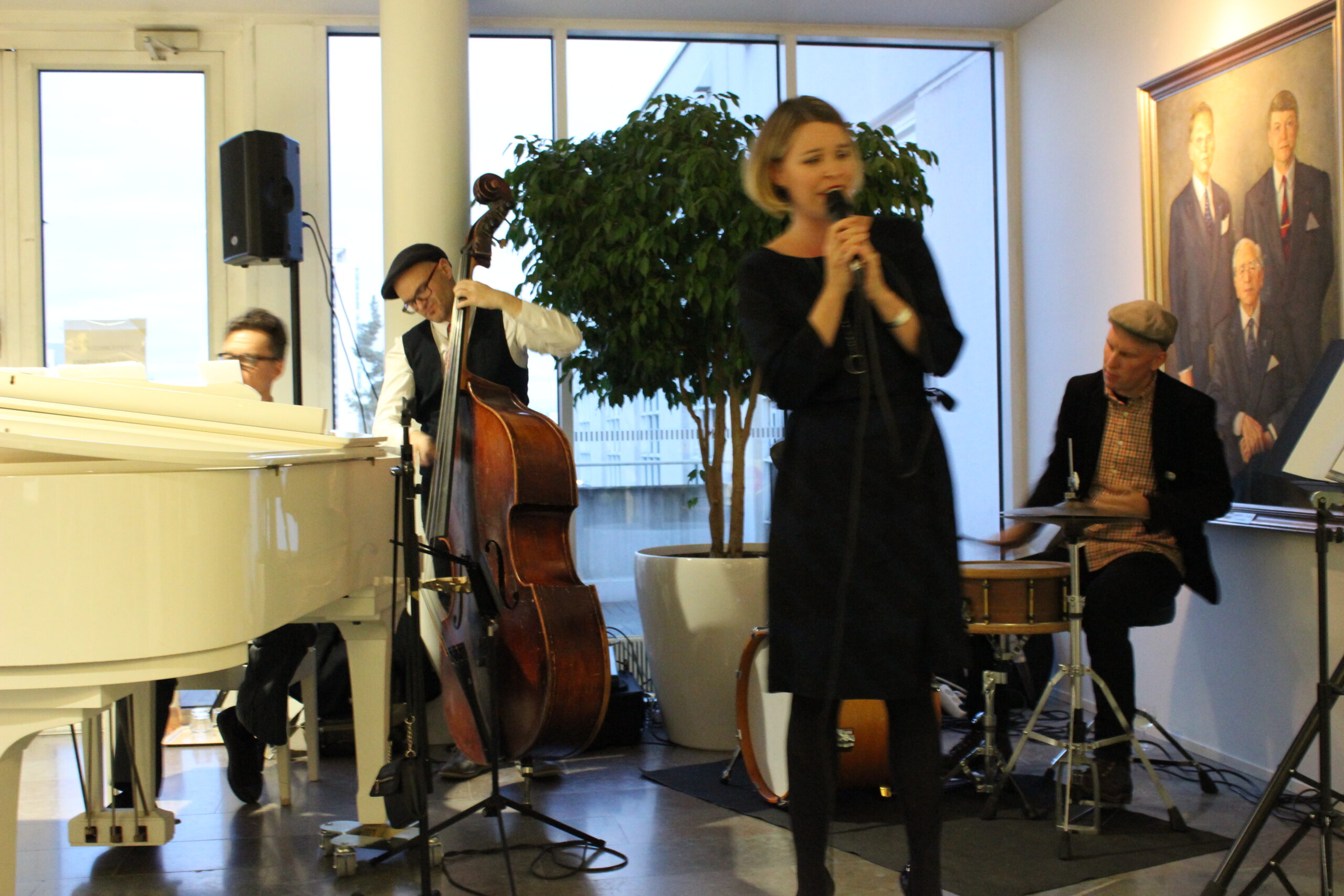
The Metropolia Masters' Alumni Event was held in October at Leppävaara campus as part of a project ”Increasing the R&D impact of Master's education”, funded by the Ministry of Education and Culture. Metropolia UAS is involved in the Diversity Management work package. It was the first event aimed at all of our Master level graduates -whom we have educated for a decade already in four different fields of study. Here are my notes on the production of this event. The Program was made of live music, a Poster exhibition, some coffee & cake, a Rector's Speech, Awarding the Best Master's Theses, a Panel Discussion, an Alumni Quiz Show, a Toast to Masters' Education, finally the Salad Buffet Dinner, some wine & time for networking. The Evening was planned in collaboration of a Project Manager, a Project Coordinator, a Communications Officer, an Alumni Relations Coordinator and several Lectors. The Evening was conducted in collaboration of those mentioned, added with a Hosting Lector, The Houseband, Secretaries and other on-site helping hands, as well as a media student shooting the entire event to a video. The Alumni of the past Decade were all invited both by personal invitation by snailmail as well as by Alumni Newsletter and Social Media releases. The aim was to gain 200 alumni participants but eventually only 80 were buying the ticket (it was a moderate price). There were around 70 participants on-site, including members of Staff . Those who came, seemed happy with the Event. They gave a lot of verbal feedback during the evening, all positive. A week after the event they also received a feedback questionnaire. Only few participants had the time to answer. However, these answers are showing in a detailed manner, how we should improve our Events for the Alumni of Metropolia Masters' in the future. We are about to have the last bit of the outcomes of the Evening to be published at the end of this week - while waiting for the compilation, here are my conclusions: what you need to succeed in producing an Alumni Event for Metropolia Masters. Funding. As it's highly unlikely we draw the participants if the ticket price is too high, there must be a solid budget coming from "somewhere", may it be a Project like in this case, or a Sponsoring organization. Time. Planning needs to be started early enough. What is enough, it's totally up to the event, audience, funding and production team. The venue and the speakers are most critical to book early on. Excellent Time Management is essential factor during the entire production process. You can't manage time itself, though, it runs as always. People. Gather a Production Team. No one survives alone. A team might be just two people - a professional event manager and a curator of the programme. It's important to have the content-creators settling the framework for the Event at the early stage of the planning. Also it's important to deal the tasks to individuals, have meetings and make sure a production plan is followed. There might be several different cycles in the production. If you have resourceful people, they might compensate the lack of money, but you just can't make the time freeze. Content. Make sure the event is relevant to the participants. It should provide new knowledge to the professionals, be fresh and up-to-date. In our case, the core audience was "all our Masters Alumni" and funding was based on a project so the topic of the Event was quite simple to pick. In the future, the topics should be somewhat relatable to "all the fields of study" we are inviting the Alumni from. Communications. Plan well and execute professionally: Core Audience, Key Phrases aimed at them, Visual Design, understanding the Communications will cost something. Also, sending Save-The-Date notes and Invitations early enough and planning how-to use Social Media channels for marketing of the Event. And never forget the importance of the internal communication between the Production Team members. Execution. Plan well and be prepared for surprises. Make sure everyone on Production Team is on the map. Especially on the day of the Event, tasks should be divided quite accurately. Always remember, the Audience does not know for sure, what you were supposed to do on a particular slot of the Event. Sometimes improvizing is a must. Try to create a pleasant athmosphere. It helps a lot if some technical error occurs. Feedback. Let the audience give feedback. Listen closely. Ask for feedback. Read the feedback. Have a feedback meeting with the team. Take notes and dare to talk about hick-ups that happened on the way. Here are the conclusions from the feedback we gained from our Event: Having a panel discussion with the alumni and the lectors was the most preferred part of the official programme. Some of the alumni would like to meet only people from their own field. Others want to integrate and network in a cross-faculty manner. It's nice to have Masters' Theses Awards but it could be more informal. As a bilingual (FIN/ENG) institute of higher education we also run into this critique: is it really necessary to use English language in all parts of the programme if the audience in majority knows Finnish, too? This question remaines unsolved.
E-drive Retro – Innovation Project upcycles Vintage Cars
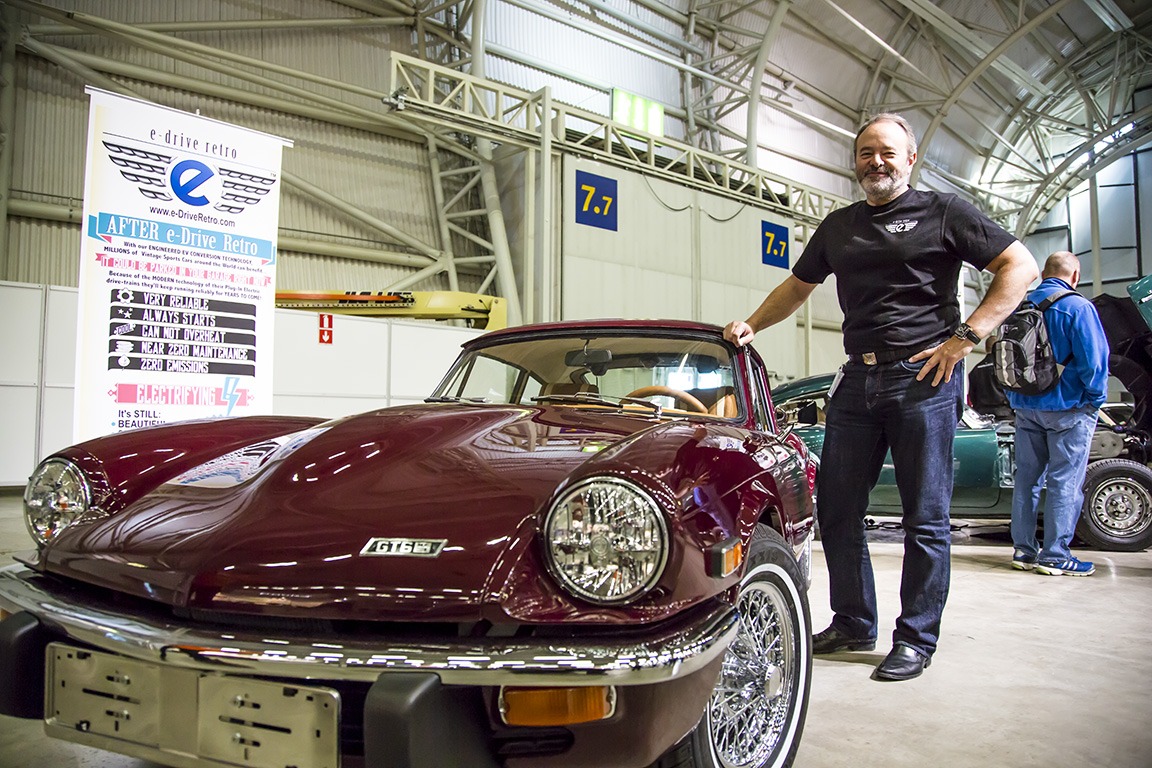
The beautiful, old "american" cars from 1950s and 1960s are gas-driven and huge in size. Unfortunately, their motors running with gasoline and are nowadays considered as nature-destructive vehicles. Globally, hundreds of thousands, even millions of old cars have their own fan base. Enthusiasts are worried to see their own piece of beloved machinery loose their usability. Is there any way of updating the retro cars with modern technology, without losing the design, oh-so-cosy interior and the old feel? Running cars with electricity instead of gas has been seen as the greener option. As the cleantech focuses on engineering and making cars emission-free, car owners are still worried if all the new cars have to have the futuristic design. Thanks to the vision of one man, lucky coincident and young engineering talent we might still be able to see the vintage cars driving on streets. Mr. Michael M. Richardson from E-drive Retro has begun to realise his vision of upcycling the vintage beauties. Technology’15 Convention was recently held in Helsinki, Finland. Mr. Richardson’s company and two lovely vintage cars were the showpiece audience wanted to see and understand more closely. The Estonian-based assembly line has not popped out of the blue. E-drive Retro has been developing technological solutions in collaboration with Helsinki Metropolia University of Applied Sciences as part of car and electric engineering students’ innovation project. The vision of bringing life to old cars has been bubbling under for a decade in mr. Richardson’s mind. According to mr. Richardson, the time was not ripe before Tesla made the whole e-car industry take a leap ahead. Hard work starts paying as audience will become more familiar with the idea of plugging the car into the wall instead of driving it to the nearest gas station. But how did mr. Richardson find Metropolia’s engineering students in the first place? “It was a coincidence”, he says “I happened to bump into an old student of mine, who was studying at Metropolia. She gave me the hint, I found out more and soon enough we were collaborating. Couldn’t be more pleased with the results!” Watch Michael M. Richardson’s sharing his thoughts on the vintage car upcycling and the project work on the Youtube-clip below. https://youtu.be/bZ4vp51lpw4 For more detailed information, please contact E-drive Retro’s homepage here.
Barbie on esikuvani
Otsikon perusteella voisi luulla, että haluaisin näyttää Barbie-nukelta niin tulenpalavasti, että olisin valmis vaalentamaan kutrini tai jopa uhrautumaan plastiikkakirurgin veitsen alle. Ei sentään. Lapsuuteni Pohjois-Suomessa oli käytännössä kaksi vaihtoehtoa muotinukkevalikoimassa: Daisy tai Barbie. Jälkimmäinen oli se hohdokkaampi. Tykkäsin leikkiä nukkien lisäksi Legoilla, kiipeillä puissa ja lukea. Olin enemmän poikatyttö, mutta en koskaan ollut pahoillani saadessani avata uutuuttaan kiiltävää, pinkkiä Barbie-laatikkoa. Tänä päivänä aikuisen naisen Barbien ihailulle nauretaan. Kuvitellaan, että Barbien ulkoiset ominaisuudet olisivat se juttu. Vaaleat hiukset, tavoittamattoman linjakkaat kurvit. Minulle nuo seikat ovat yhdentekeviä. Barbien ehtymätön asuvalikoima kyllä on kiehtonut joskus. Mutta tärkeintä on taustatarina. Barbie Millicent Roberts on itsenäinen nainen. Hän hengaillut romanttisesti poikaystävänsä Kenin kanssa vuosikymmenestä toiseen, päätymätt1ä koskaan avioliiton satamaan. Barbie on tehnyt uraa kymmenissä eri ammateissa. Barbie-nukkea oli lapsuudessani saatavilla (katalogeissa, ei lelukaupan hyllyillä) niin astronauttina, lääkärinä kuin toimitusjohtajana. Toki myös aerobic-ohjaajana ja prinsessana. Barbie ei koskaan hankkinut lapsia. Nyt tuo Mattelin muotinukke on jo päälle viisikymppinen, joten aika lie ajanut perheenlisäyksen ohitse. Barbie ei ole yksinäinen. Hänellä on laaja joukko ystäviä ja perheenjäseniä. Barbie edusti kahdeksankymmentäluvulla itsenäistä uranaista, joka voi myös näyttää upealta. Jälkimmäinen ominaisuus johtaa valitettavasti edelleen helposti harhaan ja saa meidät ajattelemaan ulkomuotoa. Feminiininen vahvuus kumpuaa kuitenkin sisältä. Ehkä Barbieta ulkoisesti ihaileva, plastiikkakirurgin pöydältä itsensä löytävä ihminen voi hetkeksi saada lisää itsevarmuutta ulkonäköään muokkaamalla. Kivuttomimmin sen saavuttanee kuitenkin kehittämällä itseään ja ottamalla ohjat käsiinsä omasta elämästään, kuin myös uravalinnoistaan. Kiitos siis Barbie, ihan hyvä roolimalli olit pikkutytölle, joka aikanaan ihaili myös Madonnaa, vaikkei ymmärtänyt englanninkielisistä laulunsanoista pätkän vertaa... -- Barbien ammatit englanninkielisen, ulkoisen linkin takana.
Alumni Career Paths – Joanna Szybińska: from Erasmus exchange in Finland to business-owner in Poland

We asked alumni of different fields to share their experiences in working life after graduation. They all have in common a study period at Helsinki Metropolia University of Applied Sciences (or the previous institutions). This is Joanna Szybińska's story. 1.What is your background and how you’re linked to Finland? Journalism - I spent this fabulous year in Finland thanks to Erasmus program. In this time I learned more that during 4 other years at Polish University. (Sorry Warsaw!) 2. What is your current profession and where do you work? I'm the co-owner in private company which I founded with Michał (my husband actually) We are a producer of organic food, in my company I need to do many various things - from idea, to selling and negotiate prices. 3. How did you get there? How was your career path? Firstly, during my studies I managed one of the biggest coffee shops in Warsaw. This experience - which I still use every day - helped me do get some gastronomy project for Italians. They wanted me to open and manage Italian (Sicilian) restaurant in the city center in Warsaw. But (happily) they were undecided about each location I suggested for them (basically today in this places are the most know restaurants in Warsaw. After 6 months I quit this job and decided to sell Michał's mom's book about herbs. I worked at home, cooperating with herbal stores and sell on Polish alternative to e-bay. In this time, we decided to prepare first herbal blend and sell it with books. So after 3 months we had our first 'tea' product. In this time also Michał finished his adventure with tv advertising company (his story is also very interesting, because he get this job only thank's to our Finnish adventure. Our courses in Stadia and everything we learned in this time - and he tells almost everyday that those Erasmus time saved his life! And it's so true. So! Now my (our) company is 4,5 years old, we attend to different market exhibitions like EXPO etc. and sell around the country. Have quite a lot of products. 4. How do you find labour markets at the moment based on your experiences? Luckily I was saved from long term searching job. My first big job - in coffee shop - I found very quickly, head-hunter found me for Italians and then own company. But I can say, that every every day, I need all my experiences, which I get before. All my gastronomy knowledge (we still need all hygienic etc. law regulations), managing people, accountant staff and experience from Finland - presentations, working with different people, Photoshop courses - which I use everyday (!) for advertising my products and finally - next week we are starting with short videos - which we will be able to edit only thank's to Stadia time. 5. Based on your own experiences, what have been the most important lessons you’ve learned so far? It's a very hard question, but I think that it would be 'not to be too nice to people'. I hate that, but in my business I have only bad experiences about that. And it's not about being a woman - because Michał has the same problem. You just need to be assertive and not too nice - other way workers are going to lose this 'good distance', contractors want bigger discounts etc. I learned that my 'being nice for everybody' policy is not working anymore! I need to fight with myself everyday - to remember about that and on the other hand - not to lose this 'being nice' part of myself - which is very important to me and help me to be "ME". Now it's reserved for family and closest friends :) 6. If you think your current field of trade, what is/are the hardest for women to tackle? Or does gender have any meaning at all? I'm sure that gender has a huge meaning here. I hadn't many problems - I noticed that in business I have got many male attributes and even it's easier to me to talk with guys. But my experience is also that, that women are unprofessional - I need to say... Men as well, but it's very hard to find (maybe that's only my market/country/contractors) well prepared woman. Usually they (girls) make a lot of mistakes (p. ex. prices), are unprepared about information about their companies, products etc. Also it was hard to find female workers to our office - to find them professional, focused, full of energy and enthusiasm. Sorry all woman around the world, but my experiences are that they think they smile nice and everything is done. But it doesn't work that way. But - to make this story a little bit sweeter… I'm very proud to be a woman in business! I am able to make deals with guys but on the other hand - when it's needed - for example during some huge usefulness controls from government etc. I let myself to be 'a woman' and don't know some small things. 7. How do you want to encourage those willing to have your position at the moment? How can they get there, too? Everyone can get wherever he wants! The most important thing is - to do what you love. To take 10 favorite things like 'working with people/working with my husband (in my situation) /design/selling/traveling etc. And find your dreamed job. If it's 7/10 noted points - it's quite close to happiness. Don't accept bullshit in your life. If something makes you angry all the time - change that. Other way - you won't be happy - and only happy people can make good things. Please find more about the company at Joanna’s website in Polish or basic version in English in English
Tykkisluuppi Diana – opiskelijoilta alumneille
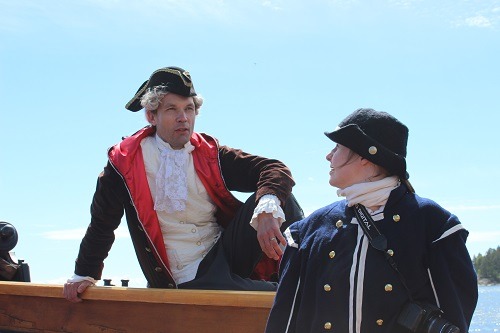
Suomenlinnan telakalla historiallisten piirustusten pohjalta rakennettu tykkisluuppi Diana oli jo ennen neitsytpurjehdustaan osa Metropolia Ammattikorkeakoulun opiskelijatöitä. Sen parissa ovat ahertaneet mm. elokuvan ja television sekä 3D-mallinnuksen opiskelijat. Alus rakennettiin perinteisiä rakennusmateriaaleja ja rakennusmenetelmiä käyttäen vuosina 2010-2014. Tykkisluupit olivat 1700-luvun lopulla kehitettyjä sota-aluksia, joita rakennettiin kymmenittäin Viaporin telakalla Suomenlinnassa. Diana perustuu laiva-arkkitehti Fredrik Henrik af Chapmanin laatimiin piirustuksiin ja Ruotsin laivaston piirustuskonttorin vanhoihin asiakirjalähteisiin. Saatuaan kasteensa 2014 Diana siirtyi käyttöön Suomenlinnan kulttuurimatkailun hyväksi ja samalla Metropolian alumnien osaaviin käsiin. Dianan tarjoamat, historiallisesti elävöitetyt merimatkat ovat ohjaaja-käsikirjoittaja Jani Tihisen käsialaa. Puvustuksen ja tapahtumatuotannon takana on vestonomi (AMK) - kulttuurituottaja (YAMK) Sanna Pietilä. He ovat molemmat työskennelleet Suomenlinnassa vuosien ajan historiaa vaalivan Ehrensvärd-Seura ry:n palveluksessa. Jani on toiminut pitkään myös Metropolian teatteri-ilmaisun ohjaajien tuntiopettajana. Dianan syleilyyn mahtuu nelisenkymmentä aikuista. Alusta ei ole katettu, joten matkaajat ovat säiden armoilla. Diana voi purjehtia kaksin purjein, tai sitä voi soutaa. Airoja aluksessa tosin on vain yksi pari, mutta ne ovat sitäkin pidemmät. Lisäksi aluksella on sähkömoottori. Se auttaa tuulettomalla säällä, jos soutajat voipuvat. Pääsin Dianan kyytiin Helsinki-päivänä. Valistusajan 1790-luvun merimieselämästä ja Kustaa III:n sotafilosofiasta kertoivat matkan aikana kaksi mainiota historiallista hahmoa. Dianaa operoi kolmihenkinen miehistö, jotka ovat myös puetut 1700-luvun tyyliin. Hahmot tuovat hauskan lisän purjehdukseen, mutta eivät vaadi liiaksi huomiota matkan aikana. Mainosteksti lupaa, että osallistujat saavat kokemuksen siitä, millaista aluksella oli aikoinaan seilata. Tärkeintä matkalla olivatkin meri, säätila ja saaristo Suomenlinnan ympärillä. Matkustajat voivat vaikuttaa omalla aktiivisuudellaan retken kulkuun. Helsinki-päivän kyyditettävät osasivat kysyä vaikeita historiallisista asioista, ja saivat myös vakuuttavia vastauksia. Niiden täydellisestä todenperäisyydestä ei auta käydä merillä kiistelemään - Wikipediaa voi selata myöhemminkin. Tykkisluupin voi tilata ryhmänsä käyttöön tai sen kyydissä voi purjehtia heinä-elokuun viikonloppuina tänä kesänä. Lisätietoja Facebook-sivulta
Why Alumni Relations Matter?
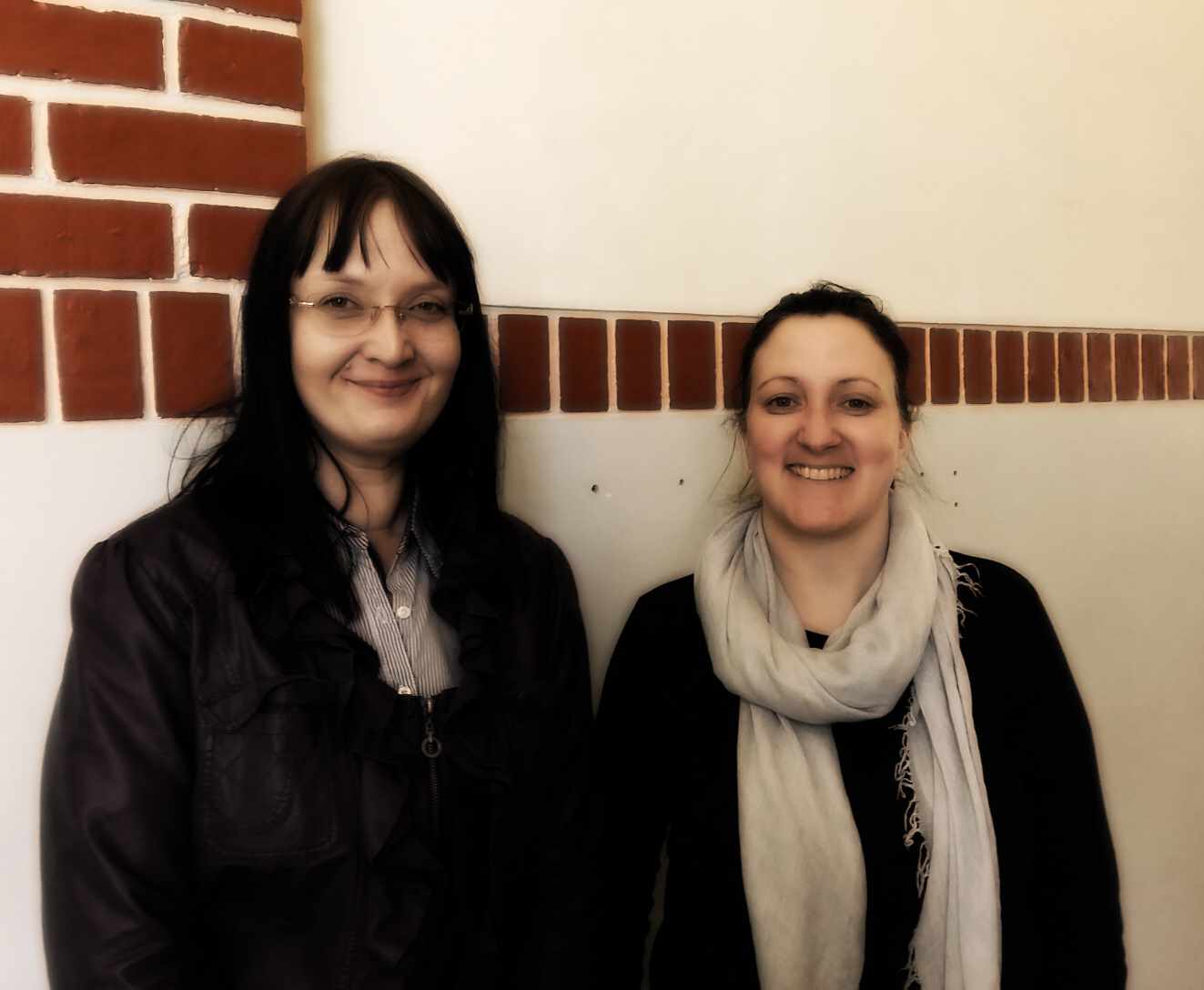
During International Staff Week, coordinators Daniela from Technische Hochschule Ingolstadt (THI) / Germany / Ingolstadt and Milla from Helsinki Metropolia UAS / Finland / Helsinki had discussions concerning Alumni Relations. These are their thoughts on the matter. First of all, German and Finnish education systems differ slightly from each other. In Finland you basically get all the Higher Education studies free of charge. The rest of the world tends to ask for some kind of tuition fees at some point of study. Higher Education in both countries are divided into Universities of Science and Applied Sciences. In Finland and Germany, the Institutions of Higher Education provide studies for Bachelor and Master level.In both countries the graduates are always the alumni of their own alma mater. Alumni membership - There are however national differences between Universities, so let’s take a closer look at THI and Metropolia: At THI alumni network members can be both graduates and current students. At Metropolia alumni register can be joined by graduates, retired employees, international exchange students, but not current students. In both the Alumni Network Membership is free of charge yet donations are welcomed. Alumni activities - At THI the typical Alumni Activities include Events, Seminars, Newsletter, “Behind the Scenes of Faculties” workshops or laboratory talks, Alumni Regular’s Table, Career Lounge, Alumni Spokespersons and their meetings. At Metropolia the typical Alumni Activities include Events, Seminars, Parties, Newsletter and Alumni Relations’ Development Network. There are also possibilities to arrange Campus Walks or other gathering for old classmates. Career after graduation - The University of Applied Sciences studies typically aim at a Degree and a profession and the studies have some integration with working life. The alumni ideally step after graduation to their career path and become members of their professional networks at their workplaces. They also stay in touch with their former student colleagues. Working life ambassadors - In their workplace, alumni are always the ambassadors or messengers of the Universities, too. If they succeed, we can all be successful and gain good reputation. This could also let Universities to gain positive testimonials from their alumni and encourage younger people to apply to university. Life Long Learning - Developing constantly is more and more important for businesses and individuals. The changes in the labor market is very fast. Many universities have their further training centers, where they offer and sell post-graduate education programs or courses. Former students are a big target group for sales purposes and marketing happens often by contacting members of alumni network. Customer relationship - Every successful company is investing in good customer relationship management, why would public company like a University do the same? It might not be a tradition yet, so it could need a little more thought before acting. The golden rule should be that Alumni Relations is always more than just selling. Giving back - On the other side the alumni network has the possibility to give their Alma Mater something back. Financially or by other means. The most valuable things to give back are the experiences after graduation. The alumni can offer the current students insights to working life their teachers might not. What we learned from each other - Based on our experiences as Alumni Relations Coordinators, we have learned that both in Germany and Finland the Engagement of Alumni as well as Staff of University is both hard and necessary. Engagement should be started already during the study years. “That’s why I find student membership a very nice idea, but not sure if it would work for us as such”, thinks Milla, “Instead we should be able to integrate alumni to our everyday studies as visiting lecturers or otherwise. It would benefit alumni to meet the current students, too. The alumni should be invited to come and participate the lessons - not entire courses. This kind of collaboration would not cost anything extra but would benefit all.” “Not only knowing the importance of Alumni Relationship Management is sufficient”, Daniela points out. “It´s important to show the network how important and valuable they are. In order to demonstrate it, Universities may integrate Alumni more visible in any kind of activities. For example, publishing career stories or engaging Alumni as guest lecturer. Further Universities could nominate Alumni for their work, for donations or other best practice activities.” “Finally, we need further collaboration with each other as institutions of higher education. And must have possibilities to compare our practices and learn from each other, in the future too”, Milla concludes.
Alumni Career Paths – Njambi Mungai: from engineer in Finland to leader in Kenya
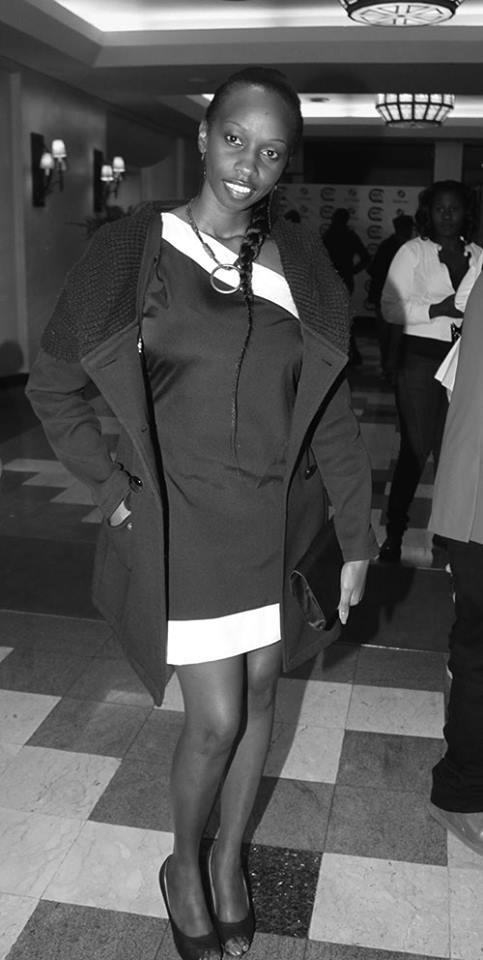
We asked alumni of different fields to share their experiences in working life after graduation. They all have in common a degree from Helsinki Metropolia University of Applied Sciences (or the previous institutions). This is Njambi Mungai's story. 1.What is your background and how you're linked to Finland? I am a Kenyan citizen, born and raised. I went to Finland to study for my Undergrad degree. Joined Helsinki Metropolia University of Applied Science in 2006, which at that point was Evtek Ammattikorkeakoulu (could never pronounce that word correctly). I studied Information Technology majoring in Software Engineering and minoring in Information Systems graduating in 2011. 2. What is your current profession and where do you work? I am currently in Media as a Team Leader in Standard Digital. Standard Digital is a product of Standard Media group, the oldest media house in Kenya. Standard Digital is the leading website in Kenya, East and Central Africa. I am the head of Standard Digital Entertainment (SDE), a brand of Standard Digital, it is the leading entertainment website in Kenya. I am a writer, sub-editor, strategist, content marketer, social media editor and product developer for Standard Digital. 3. How did you get there? How was your career path? Mine was a warped journey to say the least. After graduating, I did a stint at Nokia Siemens Networks in Espoo as an IT administrator. But I really didn’t like working in the field of software development. I was looking for a passion and a reason to look forward to waking up every morning. I needed a change and Finland was not giving me too many options beyond what I had graduating in. So I packed my bags and headed back home hoping to find my purpose beyond the hill. Even on arrival to Kenya, I really didn’t know where my passion lay. I once again started working in the IT field but here I was able to start learning and branching into different fields. I started writing content and building content based websites for different companies. I even started travelling to write and realized that writing was a thing I immensely enjoyed. I could wake up late at night to write about anything and everything. I also learned more about online marketing and advertising, project management and social media management. A successful application to the digital department of Standard Digital led to the start of SDE and subsequent growth to the top. This was mainly due to great content aggregation, optimization and acting on marketing research. 4. How do you find labour markets at the moment based on your experiences? I would say the labour market is evolving. With the digital age many roles have had to be created while others have become redundant. It is upto to companies and instituitions to recognize the need for such skills and enable training for them. It is upto the public to empower themselves on these skills to be able to position themselves in the market. 5. Based on your own experiences, what have been the most important lessons you've learned so far? I think by far the most important lesson is to find something you love. That is a sure way of being successful in whatever career you choose to pursue because you tend to give it your best. Secondly self-improvement is important. Being well versed in diverse aspects of your career not only gives you an edge but also grows you as an individual. Networking is literally the steps on the ladder of career growth. So get out, meet people and see what opportunities and lessons are out there. Have fun. Laugh, cry, keep good friends close and family closer. 6. If you think your current field of trade, what is/are the hardest for women to tackle? Or does gender have any meaning at all? I wouldn’t say gender is a challenge. At the end of the day if you are great at your job, you will be recognized despite the gender factor. I have never thought to myself that I missed out on an opportunity because I was female. While gender has been quite an impediment in society and especially in Africa, I would say that now is a good time to be born female. Because we women get to be just as educated and heard as much as our male counterparts. 7. How do you want to encourage those willing to have your position at the moment? How can they get there, too? Follow what you love. The rest will fall in place. As Paulo Coelho said,” And, when you want something, all the universe conspires in helping you to achieve it” Want to hear more of Njambi? Read her blog here.
Alumnisuhdetoiminta ammattikorkeakoulun mainetekijänä
Ketä alumnin, joka ei ole vuosiin ollut tekemisissä entisen opinahjonsa kanssa, tulisi kontaktoida, jos tulisi jotain oleellista asiaa? Entisten opettajiensa ehkä jo siirryttyä eläkkeelle, tilanne voi olla hankala, ellei asiakaspalveluprosessia ole oppilaitoksessa mietitty alumnin näkökulmasta. Jos yhteydenotto on vaikeaa tai tuloksetonta, ensimmäinen yritys voi jäädä viimeiseksi. Kotikorkeakoulu ei ehkä koskaan saa edes tietää, että tapahtui yritys, joka johti erehdykseen. Mikä kolhu se on organisaation maineelle yksittäisen alumnin näkökulmasta? Entäpä hänen edustamiensa verkostojen piirissä? Alumnikoordinaattorin työ korkeakoulussa on monipuolista. Se on myös vaativaa. Kohdeyleisö on lähtökohtaisesti myötämielistä yhteistyön tekemiselle. Oleellisimpia kysymyksiä ovat, miksi suhdetoimintaa harjoitetaan, mitä sillä tavoitellaan ja miten sitä käytännössä toteutetaan niin, että kaikki osallistuvat osapuolet hyötyvät. Opiskelijat eivät ammattikorkeakoulussa välttämättä ole tietoisia siitä, että heistä tulee valmistuttuaan alumneja. Opettajat eivät aina ehdi tai miellä tarvetta lähteä mukaan alumnisuhdetoimintaan, vaikka ovatkin omien opiskelijoiden myöhemmästä urasta ja menestyksestä kiinnostuneita. Opettajista moni on luonut itseohjautuvasti verkostoja alumnien keskuuteen. Joskus he myös visusti varjelevat jakamasta näitä verkostoja muiden tietoisuuteen. Samoin opiskelijat luovat omia, tulevaisuuden alumniverkostojaan opintoaikanaan. Haastavinta voi olla tavoittaa alumnit sen jälkeen, kun valmistuminen on takanapäin jo joitain vuosia sitten. Korkeakouluilla on ajoittain kampanjoita, joissa alumneja toivotaan palaavan yhteistyön pariin. Mutta miksi? Ja miten? Mitä alumnien kanssa voidaan tehdä yhteistyössä niin, että siihen kannattaa molempien osapuolten tarttua? Kysykäämme alumneilta. Kysykäämme korkeakoulujen opettajilta, johdolta, opiskelijoilta. Jokainen joukkio antaa erilaisia vastauksia. Jokainen yksilö näkee yhteistyön motiivit omien suodattimiensa lävitse. Koordinaattori pähkäilee näitä näkökulmia päivittäin. Useimmissa korkeakouluissa alumniasioista vastaavia työntekijöitä on yksi. Joskus hänen toimenkuvaansa kuuluu muutakin kuin pelkät alumnisuhteet. Prosesseja tarvitaan pitämään organisaatio hyvin organisoituna, mutta suhdetoiminta on ihmistenvälistä työtä. Suhdetoiminnassa tuloksia ei saavuteta pikaratkaisuin. Tärkeää on asettaa tavoitteet, suunnitella toimenpiteet ja toteuttaa ne järjestelmällisesti. Kehittämistyössä vaaditaan kerättyä dataa, tilastoja tai palautetta. Välineitä, joiden avulla voidaan arvioida, johtivatko toteutuneet toimenpiteet tavoitteiden saavuttamiseen. Suhdetoiminta ei voi olla yhden ihmisen varassa. Ei, vaikka kaikki työvälineet olisivat kunnossa ja vastuu siirrettävissä helposti toiselle. Parasta on, jos suhdetoiminnan kehittämistä tehdään useamman henkilön voimin ja käytännön toimenpiteiden toteuttamisvastuuta jaetaan laajemminkin organisaation sisällä - ja ulkona, jossa suurin osa alumneista kuitenkin toimii omissa verkostoissaan. Ihminen tarvitsee ihmistä, onnistuakseen, menestyäkseen, kehittyäkseen. Alumnia koskettavat syyt palata takaisin vanhan oppilaitoksensa kanssa yhteistyöhön ovat löydettävissä. Omaa ammattia koskettavat tuoreet sisällöt vetävät tuoreita alumneja ja kauan sitten valmistuneita puoleensa. Miten sisällöt tarjoillaan, on toinen juttu. Tapahtumia pursuaa joka päivälle. Alumni on kiinni työelämässä. Ei ehdi, ei jaksa, ei kykene. Sekin on hyvä huomioida. Joillekin tärkeintä on nostalgia; saada kävellä vielä kerran niillä käytävillä ja luokkahuoneissa, joissa nuorempana tuli vietettyä aikaa. Tavata vanhoja opiskelukavereita. Itse asiassa jokainen tutkintoaikana istuttu luento on osa koko koulun markkinointiviestintää. Mitä niistä vuosista jää mieleen? Tekeekö mieli palata takaisin vai iljettääkö ajatuskin? Milloin nostalgiavaihe aktivoituu? Miten hyvin on tullut pidettyä yhteyttä muihin kollegoihin? Alumnisuhdetoiminta vaikuttaa jo hakuvaiheessa. Mikä on oppilaitoksen maine sieltä valmistuneiden keskuudessa? Suosittelisivatko he tutkinto-opintoja juuri meillä nuoremmillensa? Ovatko he ylpeitä alumniudestaan? Miten ylpeitä oppilaitos on alumneistaan? Miten se osoittaa arvostusta? -- Näitä pohdintoja jatketaan. Myös niitä tärkeimpiä sisältöjä, eli alumnien haastatteluja heidän työelämästään, on vireillä. Ehdotuksia haastateltaviksi saa lähettää meiliin alumni ät metropolia piste fi.
365 päivää myöhemmin
Mitä teit työpaikallasi vuosi sitten? Muistatko? Mistä muistat sen? Kalenterimerkintöjä, muistiinpanoja selaten? Tuleeko koskaan tunnetta, että aikajaksoja elämästäsi on kadonnut, hautautunut palavereihin ja kiireeseen? Löytyykö kadonneista muistijäljistä työn merkityksellisyyden tunnetta? Nämä kysymykset nousivat mieleeni, kun kävin läpi vuoden vanhoja tulostepinoja. Nivaskasta löytyi laatimani esitys, jossa oli yksittäinen esitysdia. Oleellisimmat kysymykset 25.3.2014: miltä alumnitoiminnan tulee näyttää (brändäys) alumnirekisterin viimeistely ja julkaiseminen AMK:n alumnitoiminnan sisäisen verkoston rakentaminen. Tämä kolmen suuremman asian lista voi tuntua vaatimattomalta, jos ei tunne reunaehtoja, yksityiskohtia ja taustaorganisaatiota. Asiat ovat ajankohtaisia yhä tänään. Kaikki kolme kokonaisuutta on otettu haltuun, mutta paikoitellen niiden hiominen jatkuu. Niiden kuuluukin elää ja kasvaa tarpeen mukaan. Itselleni on mielekästä todeta 365 päivää myöhemmin, että tehty työ on suoritettu suunnitellusti. Vuoden kuluttua tästä nyt tehtävä työ näkyy toivottavasti laajemmin yhteisössämme, niin talon sisä- kuin ulkopuolella: alumneille, muille kumppaneille, opiskelijoille ja henkilöstölle.
Luokkakokous Bulevardilla
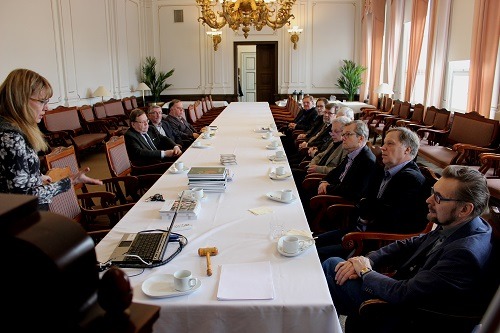
Vuoden 1971 Tekulaiset vierailivat Bulevardilla verestämässä muistoja. Kahdestakymmenestäviidestä aikanaan valmistuneesta yksitoista pääsi paikalle viettämään luokkakokousta.


alumni alumni career paths alumnikoordinaattori alumnisuhdetoiminta alumnisuhteet ammattikorkeakoulu career flow-tila Huolinta-alan merkitys ulkomaankaupassa Huolinta-alan tunnettuus Huolinta- ja logistiikka-ala Metropoliassa Huolinta- ja logistiikkalan yritykset hyrinä insinööri kokemus kulttuurituottaja lahjoitukset Logistiikka-alan houkuttelevuus merkitys metropolia Metropolia Ammattikorkeakoulu Metropolian printtimedian sivuaine Metropolia UAS Opintotajonta Metropoliassa opiskelija Painotekniikan ja -tuotteiden modernit sovellukseten painosovellusten Painovoimaa! Printtimedian sivuaine rekrytointi rekrytointiprosessi soveltuvuusarviointi suunnitelma Talotekniikan ja kiinteistötiedon hyödyntäminen tavoitteet testit tutkimus työelämä työllistyminen työnhaku ura uratarina varainhankinta verkostot yhteistyö yrittäjyys
