
Haluan vain polkea työmatkani
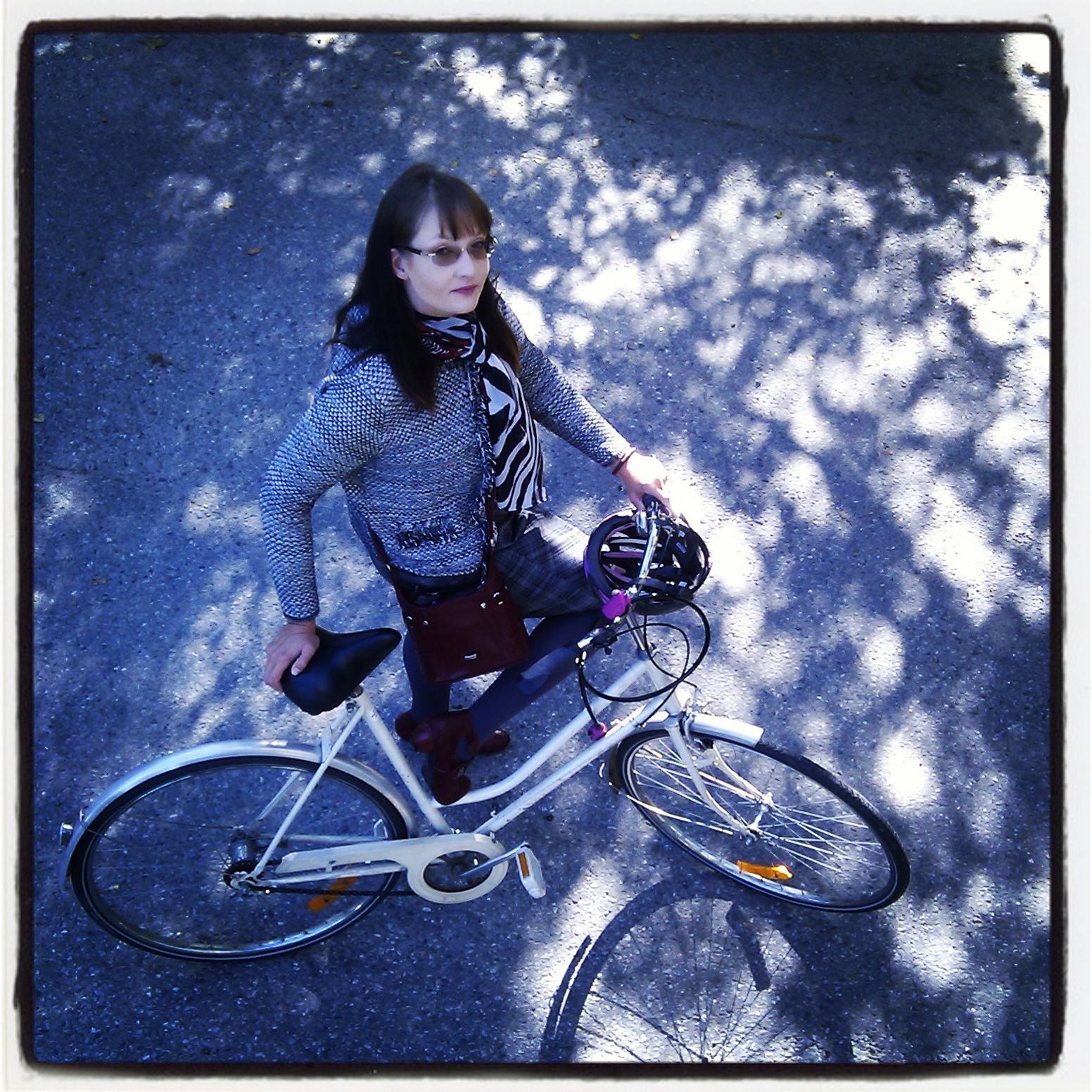
Keskellä talvea haaveilen kevätkeleistä ja sulasta maasta. Haluaisin päästä ajamaan pyörällä työmatkani. Se on kymmenisen kilometriä suuntaansa. Fillarilla hurautan kolmessa vartissa kotoa työpaikalle. Julkisilla liikennevälineillä matkaan menee sama aika, joskus enemmänkin. Autoa tai ajokorttia minulla ei ole. En tarvitse sellaisia kaupungissa, jossa jokin julkinen kulkee menosuuntaani kerran viidessä minuutissa. Helsingin kaupungin selvityksen mukaan valtaosa helsinkiläisistä on kanssani samoilla linjoilla. Minulla ei ollut polkupyörää moneen vuoteen. Toissa keväänä sain sellaisen käytettynä. Tuo tapaus muutti elämäni. Olin huonokuntoinen, istumatyötä tekevä toimistovässykkä. Aluksi kymmenen kilometriä pyörän päällä tuntui urakalta. Puoli vuotta myöhemmin sama matka hujahti hetkessä. Kun talvikelit tulivat, en uskaltanut ulos palelemaan ja liukastelemaan (tiedän, se on oikeasti varustekysymys, minulle sissiyden raja menee kymmenessä plusasteessa), hankin jäsenyyden kuntokeskukseen päästäkseni sisäpyöräilytunneille. Jäin välittömästi koukkuun säännöllisiin harjoituksiin. Työmatkapyöräily voi parhaimmillaan olla hyötyliikuntaa, joka säästää aikaa, ympäristöä ja rahaa. Pyöräilyn, kuten muunkin säännöllisen liikunnan terveysvaikutukset ovat kiistattomat. Olen saavuttanut polkemalla terveemmän ja kevyemmän elämän. Jos yhden naisen kokemukset eivät riitä vakuuttamaan asian tärkeydestä, laajempia äänenpainoja edustaa esimerkiksi Metropolian Fillarijengi. Keväällä 2015 uskaltauduin mukaan polkemaan Tour de Metropoliaa. Vaikka viimeinen etappi jäi välistä, kokemus oli rohkaiseva - kyllä, pysyin kovakuntoisempien tahdissa - omalla, epävireisellä mankelillani! Laajempiakin ryhmittymiä löytyy, esimerkiksi Pyöräliitto ja Helsingin polkupyöräilijät HePo ry, jotka edistävät pyöräilykulttuuria ja -myönteisyyttä, levittävät tietoa pyöräilystä ja fillarikansaan vaikuttavista päätöksistä sekä tutkimuksista some-kanavissaan. Omat työmatkat pyörän selässä eivät aina suju ongelmitta. Ajan vastuullisesti ja varovasti. Trikootorpedot ja sähköavusteiset hurjastelijat pelottavat. Itselläni on aina kypärä päässä ja pysähdyn punaisiin. Näytän käsimerkillä kääntymisaikeeni. En ohittele holtittomasti. Joskus olen ajanut jalkakäytävällä, pyörätien päätyttyä varoittamatta. Hankalinta on kuitenkin, kun pyörästä menee jokin rikki. Kumin vielä saa kotona vaihdettua, mutta joskus tarvitaan ammattilaisen apua. Kun budjetti tai aikataulut eivät aina anna periksi viedä pyörää heti huoltoon, kismittää. Pitää palata kulkemaan julkisilla välineillä, bussiaikataulujen ehdoilla. Unelmoin tulevaisuudesta, jossa saisin joka päivä sotkea innolla töihin ja takaisin luotettavan kulkupelin kanssa. Miten toteuttaa tuo tulevaisuudenkuva? Ruotsalainen tutkijaryhmä ehdottaa Vihreän langan verkkojulkaisun linkkauksen mukaan pyöräilijöille käänteistä ruuhkamaksua. Työsuhdepolkupyöristä on puhuttu vuosikausia. Palveluntarjoajakin löytyy ja tahoja, joissa työpaikkapyöräily on arkea. Mutta liekö verotettavaksi luontoiseduksi luokittelemisen syy, ettei käyttö ole laajemmin yleistynyt. Voisiko työsuhdefillarit tuoda verovapauden piiriin, työntekijöiden terveyden ja työhyvinvoinnin kohentamisen nimissä? Aloitteita tehdään kummemmistakin asioista, onko nyt lähdettävä kansalaisaddressin tielle? Vai onko jollakulla kokemusta tahi tietoa siitä, onko jokin taho jo edistämässä ajatusta?
To Do or Not To Do

Uusi vuosi ja uudet työtehtävät. Olen tilanteessa, jossa tiimini on vaihtunut. Uusi vuosi näyttää tuovan Metropolia ammattikorkeakoulun alumnisuhdetoiminnan koordinoinnin ja kehittämisen rinnalle muitakin työtehtäviä. Mikä onkaan vuonna 2016 menestyksen salaisuus, jos tavoitteena on tehokas ajankäyttö ja järjestelmällisyys työtehtävien hoidossa? Auttavatko ToDo-listat? Auttaako ajan hallinnassa kalenterin synkronisointi tiimiläisten kanssa? Pitääkö hallintotehtävissä kirjata vartin tarkkuudella suoritteensa? Miten tarkkailla kulutettua aikaa eri tehtäväkokonaisuuksien osalta? Pysyykö homma hanskassa, jos virittää ajankäyttönsä äärimmilleen? Pitääkö multitaskata, jos ei tahdo? Kun kokonaisviikkotyöajasta täytyy silpoa 50% sinne, 20% tänne ja loput 30% siihen, tähän ja tuohon, hämärtyvät suuremmat kokonaisuudet helposti. Siksi kuukausittaisten, viikottaisten ja päivittäisten todo-listojen oheen on hyvä kirjailla huoneentaulu, jossa kiteytyy työnteon merkitys. Jos kirjailuun ei ole taitoja eikä aikaa, voi myös itselleen tärkeisiin kysymyksiin säännöllisesti vastaamalla pitää fokuksensa koossa: miksi teen näitä työtehtäviä, mitä suurempaa asiakokonaisuutta palvelen? Kun haluaa asiantuntijana kehittää omaa työtään ja sen tuloksia, on hyvä aika-ajoin pohtia myös kysymyksiä oman työnteon laadusta ja siihen vaikuttavasta omasta työasenteesta. Mikä minua motivoi parhaiten juuri tänään?
What I learned from Organizing an Alumni Event
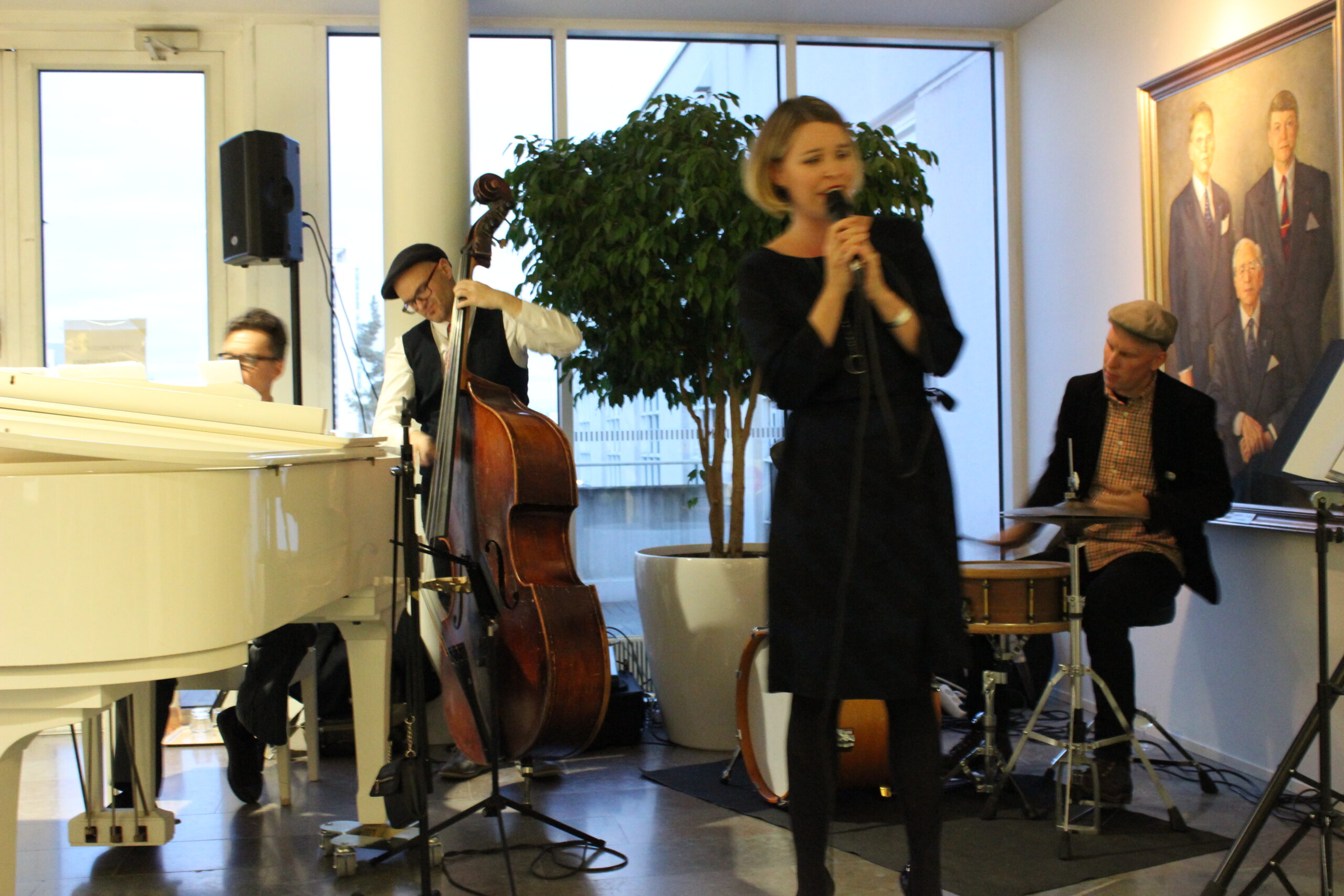
The Metropolia Masters' Alumni Event was held in October at Leppävaara campus as part of a project ”Increasing the R&D impact of Master's education”, funded by the Ministry of Education and Culture. Metropolia UAS is involved in the Diversity Management work package. It was the first event aimed at all of our Master level graduates -whom we have educated for a decade already in four different fields of study. Here are my notes on the production of this event. The Program was made of live music, a Poster exhibition, some coffee & cake, a Rector's Speech, Awarding the Best Master's Theses, a Panel Discussion, an Alumni Quiz Show, a Toast to Masters' Education, finally the Salad Buffet Dinner, some wine & time for networking. The Evening was planned in collaboration of a Project Manager, a Project Coordinator, a Communications Officer, an Alumni Relations Coordinator and several Lectors. The Evening was conducted in collaboration of those mentioned, added with a Hosting Lector, The Houseband, Secretaries and other on-site helping hands, as well as a media student shooting the entire event to a video. The Alumni of the past Decade were all invited both by personal invitation by snailmail as well as by Alumni Newsletter and Social Media releases. The aim was to gain 200 alumni participants but eventually only 80 were buying the ticket (it was a moderate price). There were around 70 participants on-site, including members of Staff . Those who came, seemed happy with the Event. They gave a lot of verbal feedback during the evening, all positive. A week after the event they also received a feedback questionnaire. Only few participants had the time to answer. However, these answers are showing in a detailed manner, how we should improve our Events for the Alumni of Metropolia Masters' in the future. We are about to have the last bit of the outcomes of the Evening to be published at the end of this week - while waiting for the compilation, here are my conclusions: what you need to succeed in producing an Alumni Event for Metropolia Masters. Funding. As it's highly unlikely we draw the participants if the ticket price is too high, there must be a solid budget coming from "somewhere", may it be a Project like in this case, or a Sponsoring organization. Time. Planning needs to be started early enough. What is enough, it's totally up to the event, audience, funding and production team. The venue and the speakers are most critical to book early on. Excellent Time Management is essential factor during the entire production process. You can't manage time itself, though, it runs as always. People. Gather a Production Team. No one survives alone. A team might be just two people - a professional event manager and a curator of the programme. It's important to have the content-creators settling the framework for the Event at the early stage of the planning. Also it's important to deal the tasks to individuals, have meetings and make sure a production plan is followed. There might be several different cycles in the production. If you have resourceful people, they might compensate the lack of money, but you just can't make the time freeze. Content. Make sure the event is relevant to the participants. It should provide new knowledge to the professionals, be fresh and up-to-date. In our case, the core audience was "all our Masters Alumni" and funding was based on a project so the topic of the Event was quite simple to pick. In the future, the topics should be somewhat relatable to "all the fields of study" we are inviting the Alumni from. Communications. Plan well and execute professionally: Core Audience, Key Phrases aimed at them, Visual Design, understanding the Communications will cost something. Also, sending Save-The-Date notes and Invitations early enough and planning how-to use Social Media channels for marketing of the Event. And never forget the importance of the internal communication between the Production Team members. Execution. Plan well and be prepared for surprises. Make sure everyone on Production Team is on the map. Especially on the day of the Event, tasks should be divided quite accurately. Always remember, the Audience does not know for sure, what you were supposed to do on a particular slot of the Event. Sometimes improvizing is a must. Try to create a pleasant athmosphere. It helps a lot if some technical error occurs. Feedback. Let the audience give feedback. Listen closely. Ask for feedback. Read the feedback. Have a feedback meeting with the team. Take notes and dare to talk about hick-ups that happened on the way. Here are the conclusions from the feedback we gained from our Event: Having a panel discussion with the alumni and the lectors was the most preferred part of the official programme. Some of the alumni would like to meet only people from their own field. Others want to integrate and network in a cross-faculty manner. It's nice to have Masters' Theses Awards but it could be more informal. As a bilingual (FIN/ENG) institute of higher education we also run into this critique: is it really necessary to use English language in all parts of the programme if the audience in majority knows Finnish, too? This question remaines unsolved.


alumni alumni career paths alumnikoordinaattori alumnisuhdetoiminta alumnisuhteet ammattikorkeakoulu career flow-tila Huolinta-alan merkitys ulkomaankaupassa Huolinta-alan tunnettuus Huolinta- ja logistiikka-ala Metropoliassa Huolinta- ja logistiikkalan yritykset hyrinä insinööri kokemus kulttuurituottaja lahjoitukset Logistiikka-alan houkuttelevuus merkitys metropolia Metropolia Ammattikorkeakoulu Metropolian printtimedian sivuaine Metropolia UAS Opintotajonta Metropoliassa opiskelija Painotekniikan ja -tuotteiden modernit sovellukseten painosovellusten Painovoimaa! Printtimedian sivuaine rekrytointi rekrytointiprosessi soveltuvuusarviointi suunnitelma Talotekniikan ja kiinteistötiedon hyödyntäminen tavoitteet testit tutkimus työelämä työllistyminen työnhaku ura uratarina varainhankinta verkostot yhteistyö yrittäjyys
