
Tuntematon huolinta-ala – merkittävä ja kokoaan suurempi ulkomaankaupan edistäjä
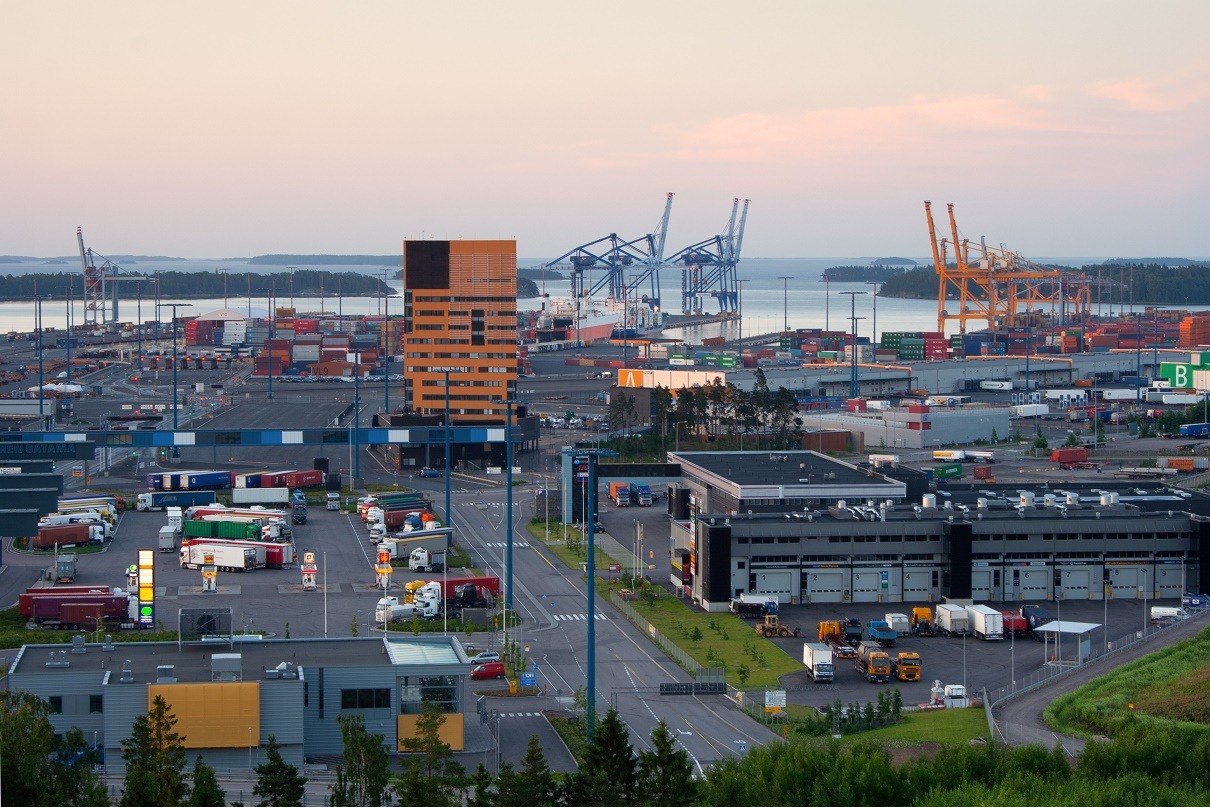
Vaikka huolinta-ala on kooltaan pieni, alan yrityksillä on mittavat vaikutukset Suomen ulkomaankaupan kuljetusten ja tullitoiminnan sujuvuuteen, kustannustehokkuuteen, yritysten logistiseen kilpailukykyyn, liikenteen ilmastotavoitteiden toteutumiseen, huoltovarmuuteen sekä koko kansantalouden toimintaan. Alan tunnettavuus kaipaa kuitenkin toimenpiteitä. Huolinta-alan tunnettuuden lisäämiseksi Suomen Huolinta- ja Logistiikkaliitto julkaisi viime syksynä logistiikan professori Lauri Ojalan johdolla laatiman tutkimuksen selvityksen ”Huolinta – avain toimivaan ulkomaankauppaan”, jossa osoitetaan, että huolinnan todellinen merkitys ei rajoitu toimialan omaan osuuteen kansantalouden tilinpidossa (0,4 mrd. euroa), vaan alan mahdollistama ulkomaankauppa heijastuu laajasti koko kansantalouteen ja maamme taloudelliseen hyvinvointiin. Professori Ojalan johdolla tehdystä selvityksestä käy ilmi, että noin puolet Suomen ulkomaankaupan kuljetuksista on huolintaliikkeiden organisoimaa, ja että huolitsijoiden käsittelemän ulkomaankaupan arvo on yli 100-kertainen toimialan omaan arvonlisäykseen verrattuna. Selvitys avaa hyvin sitä, mitä huolinta oikeasti on 2020-luvulla ja kuinka merkittäviä Suomen ulkomaankaupan tavaravirtoja huolinta-alan yritykset organisoivat ja hallitsevat. Vaikka huolinta-ala on kooltaan pieni, niin selvitys osoittaa kuinka alan yrityksillä on mittavat vaikutukset Suomen ulkomaankaupan kuljetusten ja tullitoiminnan sujuvuuteen, kustannustehokkuuteen, ulkomaankauppaa käyvien yritysten logistiseen kilpailukykyyn, liikenteen ilmastotavoitteiden toteutumiseen, huoltovarmuuteen sekä koko kansantalouden toimintaan. Koronaviruksen aiheuttamat mullistukset tuotantoketjuissa ja rahtikuljetuksissa korostavat entisestään, miten riippuvaisia olemme toimivasta logistiikasta ja alan ammattilaisista. Nyt jos koskaan tarvitaan huolitsijoita. Huolitsijat ovat kansainvälisen logistiikan asiantuntijoita, jotka ratkovat asiakkaittensa haasteita. Alan kuva kaipaa kirkastamista Merkittävyydestään huolimatta huolinta-ala ja sen kriittisyys Suomen ulkomaankaupalle on harmittavan tuntematon päättäjien, viranomaisten, median ja niin sanotun suuren yleisön keskuudessa, mukaan lukien opiskelijat ja opettajakunta. Osa edellä mainituista osaa kyllä yhdistää huolinnan liittyvän tavalla tai toisella logistiikkaan, kuljetuksiin ja tullaustoimintaan, mutta tarkemmin kovinkaan moni ei osaa huolinta-alasta kertoa. Laajan toimenkuvan ja alaan vaikuttavien muutosten vuoksi huolinta- ja logistiikka-alan toimijoilta vaaditaan nopeaa mukautumiskykyä sekä jatkuvaa oppimista, käy ilmi selvityksestä. Tällä hetkellä yksi alan haasteista on pula osaavasta työvoimasta. Nuorten käsityksiä selvittävissä tutkimuksissa huolinta- ja logistiikka-ala on saanut seuraavia kuvauksia: tylsää, rekalla ajamista, varastotyötä, raskasta ja ei tietoa. Tämä mielikuva vastaa kuitenkin huonosti todellisuutta, sillä huolinta-alan työntekijöistä yli ¾ ovat toimistotyötä tekeviä toimihenkilöitä. Alan houkuttelevuus on viime vuosina jonkin verran parantunut, mutta Suomen ulkomaankaupan toiminnalle kriittisen huolinta-alan suosiota ja tunnettuutta on tarpeen kehittää määrätietoisesti myös tulevaisuudessa. Osaava työvoima on huolinta- ja logistiikka-alan menestyksen edellytys. Kyseisen haasteen taklaamiseen Suomen Huolintaliikkeiden Tuki ry teki pari vuotta sitten lahjoituksen Metropolialle ja esitti toiveena, että lahjoituksen avulla koulussa huolinta-alaa ja sen työtehtäviä tehtäisiin tunnetummaksi opiskelijoille ja opettajakunnalle. Usein tutkimuksissa nuoret sanovat haluavansa tehdä merkityksellistä työtä. Näitä hommia huolinta- ja logistiikka-alalta kyllä löytyy. Suomi on maailmankaupalle avoin talous, jonka hyvinvointi pitkälti perustuu toimivaan ulkomaankauppaan. Kilpailukykyinen ja osaavasti hoidettu vienti ja tuonti ovat taloutemme elinehto; huolinta on tavaran, tiedon, rahan sekä kuljetusvälineiden ja -yksiköiden oikea-aikaista, kustannustehokasta ja sääntelynmukaista hallintaa ulkomaankaupassa. Huolinta on siis toimivan ja tehokkaan ulkomaankaupan edellytys. Kirjoittajat Petri Laitinen on Suomen Huolinta- ja Logistiikkaliitto ry:n toimitusjohtaja ja Anna Haakana sen elinkeinopoliittinen asiantuntija.
The future is not only digital
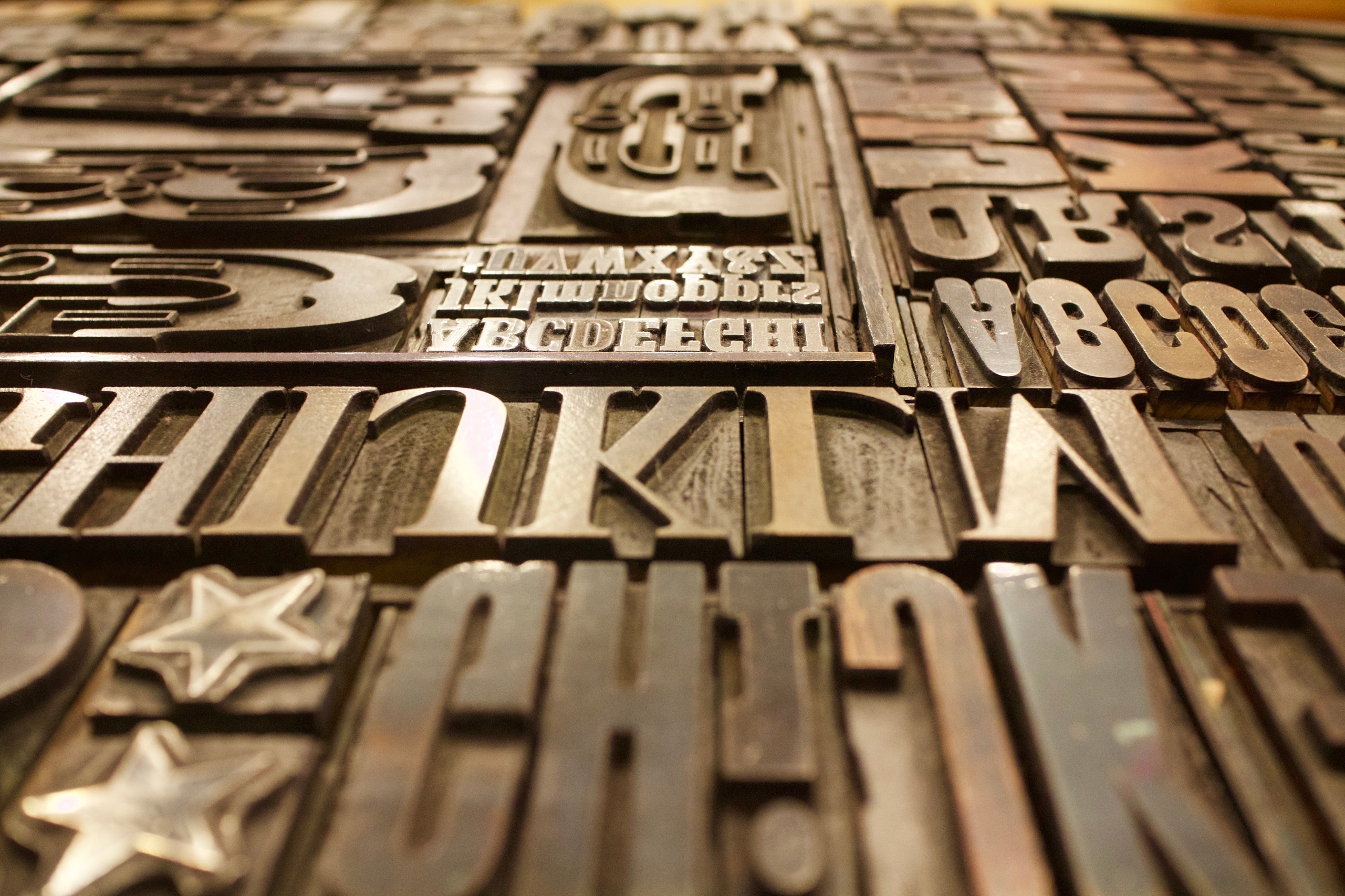
As gainful employment is for many people tied solely to computers and screens, powerful experiences and recreational alternatives are sought elsewhere. People are interested in counterbalancing their digital lives. This has set the pendulum in motion, with many businesses looking to set themselves apart through graphic design, high-quality presentation, and carefully considered print product families in addition to online visibility. Even the exponential growth in the popularity of audio books is a sign of this change. But even this phenomenon has its detractors. “Our literature is becoming more simplified and stupid under the supremacy of sound”, wrote the renowed author Laura Lindstedt in Helsingin Sanomat at the turn of the year. She continues: “We need the idea of the future as much as we need future itself.” Similarly, we need the idea of a book – a concrete object we can touch, keep hold of, and pass on – as much as we need literature.” Thus, trailblazers will soon rediscover the fascination of printed literature, and magazines, publications, research reports, and catalogs printed on actual paper. The pendulum motion will grow stronger as larger numbers of consumers join in. And you never know; there may come a day when we discover that extreme reliance on reading via terminal devices is linked with such adverse health effects that the use of these devices must be restricted. The device is an important message in our time, and just like research continuously expands, evolves, and develops, we also find new, anthropogenic solutions for passing it on. Is it wise for universities of applied sciences to stop offering degree programs in printing technology now that the sky is the limit for the development of new printing technologies? Words matter The perceptions we cultivate of the sector or the quality of the professional we train for the Finnish workforce are therefore not irrelevant for the future of the printing industry, the print media, and the related services. The possibilities of print media extend to almost all areas of life and create traces of magic in our daily existence. Print products are linked with positive associations: the term fascination of print is often used internationally, and it should be emphasized more in Finland as well. The opportunities of print media are almost unlimited. The above image depicts the creative use of fluorescent printing colors. Almost any surface or material conceivable today can be printed on. New opportunities are constantly being implemented. For example, the German printing house Koenig & Bauer has described the print world as follows: We do not know what will be printed tomorrow or what it will be printed on. No one does. But we are certain that print products make our world what it is: a world of people, consumers, patients, artists, employers, various printing technologies and the investors who believe in them, those who have continued to story of print for centuries, and the pioneers who shape its future. It is a world that is constantly being re-created. As a fascinating, living, and versatile world! The leaders, entrepreneurs, employees, developers, and researchers are currently growing in various educational institutions and higher education establishments. However, Finnish universities of applied sciences have practically stopped offering master's degree programs in graphic technology. Aalto University stopped years ago, and the last batch of Finnish MScs graduated from Metropolia University of Applied Sciences in 2017, as this field of study had to be abandoned due to budget cuts targeting higher education. This development trend must be reversed as we approach the 2020s. “Print is not dead”, as they say in the leading institute of higher education for print media in the world. Printing technologies have developed by leaps and bounds in recent years, and the results of the climate change debate may turn out to be favorable to the paper industry and the print media. The media industry and the graphic technology sector have worked actively to identify key dynamics, competence needs, and alternative scenarios to allow them to succeed during this change. The graphic industry is still significant in terms of the public economy, and print media is not dead yet. Quite the opposite: for example, the share of digital, packaging, and label printing is clearly on the rise. Painovoimaa! study published to support the development of the industry Supported by a grant from Media Industry Research Foundation of Finland and C.V Åkerlund Media Foundation, Metropolia University of Applied Sciences has produced a study on the required measures and a roadmap suggestion for securing expertise in Finland. The study is published in the University's publication series under the title Painovoimaa! Selvitys graafisen alan insinööriosaamistarpeista sekä koulutuksen houkuttelevuuden, kansainvälistymisen ja yhteistyörakenteiden lisäämisestä (Printpower! A study of the future competence needs in graphic technology, the ways to increase attraction for higher education and international networking in the field). It is an important requirement for planning future measures if we want to offer master's degree programs in graphic technology and attract young people into the industry. The Painovoimaa! study provides a review of the changes and challenges faced by the graphic arts industry and the previous graphic technology degree programs. The data for the study is compiled from: sources of reference research theses interviews with specialists and experts in the field an electronic survey workshops an international comparison of curriculums. These were used to provide an up-to-date overall view of the development of the industry update our information on the competence need for master's degree programs identified by the graphic arts industry increase the attractiveness of the industry in the eyes of potential students. The publication also comprises a proposal for returning graphic technology studies into the media technology program as a minor subject consisting 30 credits, i.e. a single term. However, as working-life oriented education is the main function of universities of applied sciences, Metropolia University of Applied Sciences cannot act alone or in a vacuum. To support the revitalization of graphic technology education, the study provides an outline for a roadmap whose implementation would require extensive cooperation and a mutually shared vision of the needs of the industry in the future. The report that was published in the TAITO series of publications was written by Tuire Ranta-Meyer, PhD, Docent, Director, and Toni Spännäri, MSc, Senior Lecturer. The editorial team also included Pentti Viluksela, DSc, senior lecturer, Suvi Hartikainen, coordinator, RDI, Suvi Hartikainen, and future MScs Natalia Alam and Lauri Lehto from the Information and Communication Technology program as the authors of theses. Guiding research questions The purpose of the report was to find new perspectives and answers to the following questions in terms of MSc education. What graphic technology expertise should be retained or developed further in Finland? What kind visions or scenarios for MSc degree programs in graphic technology of the future can be found? What type of graphic technology studies would best serve the industry? What are the prospects of the graphic arts industry in terms of education and the industry? What are the employment prospects in the graphic industry for MScs? How could the attractiveness of the industry be increased in the eyes of potential students? Miten koulutuksen kansainvälisyyttä on tarkoituksenmukaista edistää? Which new forms of cooperation between the industry and education could be realistically implemented? What would the process that allowed us to move from ideas and visions into execution and credibility consist of? How can we ensure the level of competence and sustained development of teacher and those responsible for the relevant MSc programs? What is the roadmap that would enable us to resolve the issues related to funding and secure a strong future for the industry? Higher education for graphic technology is needed in Finland According to the interview and survey section included in the report, higher education for graphic technology is needed in Finland today and in the future. Without the opportunity to gain sufficient specialization and a tertiary degree in the field in your own country, the position of the graphic industry could deteriorate. Although the hardware manufacturers do their part for the development of printing technology knowledge, the education they provide is not enough. Courageous experiments that have often been based on basic engineering competence become rarer, and the related development potential is left unachieved. In order to reinforce positive perceptions and thus increase interest among young people, the graphic industry enterprises, Graafinen Teollisuus ry, higher education institutions, and vocational institutions should join their forces. Together, they should invest in favorable visibility communicate more effectively on the true nature of the industry and the employment prospects share, for example, interesting career stories and summer job experiences on websites, during higher education application campaigns, and on social media This would allow the graphic industry to be better present in the everyday lives of potential students. International study trips, summer school, or international exchange programs could also open the students’ eyes in terms of the opportunities of print media and various technologies requiring special expertise. Getting to see the massive modern printing machines up close and examining their control methods, special printing features, and material flow management that are largely based on information technology can be a powerful experience. Young people are also interested in world-class education in the field, which means that the promotion of international exchange programs with leading higher education institutions in the field is a key pull factor. Graphic technology studies should be emphasized more in higher education institutions and in upper secondary education. If they are not even included in the curriculums at the heading level, it is clear that more detailed descriptions do not exist. Thus, there is very little to grasp hold of and potential students will not think to look into the specialization and employment prospects of graphic technology during their studies. Support from the industry for students interested in graphic technology studies could also be provided, for example, as a grant or scholarship for international studies awarded each year. Alternatively, the support could also be directed at theses, for example by awarding grants to the authors of excellent theses related to graphic technology. For example, grants and acknowledgements are awarded in various other technological fields in Metropolia as a demonstration of appreciation by the industry in question. Roadmap for 2020–2022 The report proposes a roadmap for the implementation of the development ideas and plans: concrete steps to be taken in coming years. The window is now open in the direction of international cooperation, vocational education in print media, and lifelong learning requirements. Minor study programs that are organized in cooperation with each relevant industry and initially funded through sources other than the Ministry of Education and Culture are becoming increasingly common in universities of applied sciences. These types of programs may consist of precision education intended to combat expected labor shortages, but Metropolia can present encouraging examples of permanent study programs leading to a qualification, which were originally set up for further education purposes or based on a goal-oriented intention to improve the level of education of operators in the field. Using the steps presented in the roadmap, Metropolia University of Applied Sciences, together with operators in the industry, could make graphic technology into a visible, developing, and concretely available field of specialization in higher education institutions and more widely in the Finnish education system. Proposal for a minor program in graphic technology In the report it is proposed that a minor program of study for graphic technology comprising 30 credits would, at least initially, be created as a pilot project in Metropolia University of Applied Sciences. This is based on the fact that expertise of graphic technology, business economics, and technical sales already exists at Metropolia. The study program should be available for completion in a flexible manner and offered as optional studies in the fields of technology and communication, as systematic path studies for print communication students in vocational education, and as further education for those who have already entered the workforce. The minor subject would consist of two modules organized such that one would focus on graphic technology studies and the other on business economics and sales. Graphic technology module 15 credits Introduction to print communication 5 credits Pre-press and color management 5 credits Emerging technologies and sustainable development 5 credits Industrial and business economics module 15 credits Introduction to technical sales 5 credits Business economics 5 credits Production design and control 5 credits Where the studies at a university of applied sciences include a one-term practical training period and a working-life oriented thesis comprising 15 credits, it is possible to allocate up to half (120 credits) of the 240 credits included in master’s degree studies to graphic technology: Graphic technology module 15 credits Industrial economics module 15 credits International exchange 30 credits Practical training 30 op Optional studies 15 credits Thesis 15 credits References Lindstedt, Laura 2019. Kirjoitettu hiljaa luettavaksi. Sunnuntaiessee. HS 29.12. Printed Interior. Markt und Möglichkeiten. DeutscherDrucker 23/2018. Ranta-Meyer, Tuire and Toni Spännäri 2020. Painovoimaa! https://www.koenig-bauer.com/de/ https://www.google.com/search?q=Faktaa+ja+fiktiota+painetusta+paperista&ie=utf-8&oe=utf-8&client=firefox-b.
MyActive Campus -hanke tuo Myllypuroon matalan kynnyksen arkiliikuntaa

Metropolia ja sen opiskelijakunta METKA saivat helsinkiläiseltä URLUS-säätiöltä 45.000 euron apurahan kolmivuotiseen, Myllypuron kampukselle kohdistuvaan liikuntakokeiluun. Vuoden alussa käynnistyneen MyActive Campus -hankkeen tavoitteena on luoda alusta alkaen uuteen oppimisympäristöön yhteisöllistä ja fyysiseen aktiivisuuteen houkuttelevaa toimintakulttuuria. Kun näet oheisen logon, tiedät että aktiviteetteihin on saatu ulkopuolinen rahoitus ja että hanketta koordinoidaan tunnollisesti kampuksen henkeä ja arkkitehtuuria kunnioittaen. Tätä tavoittelemme! Hankkeen lähtökohtana on ollut näkemys siitä, että liikkumisen iloa ja rentoutumisen hetkiä tulee tarjota opiskelun lomassa myös niille, jotka eivät koe itseään motorisesti lahjakkaiksi eivätkä puhku urheilullista voimaa. Tarkoituksena on luoda kampuskulttuuri, jossa rakennuksen monimuotoiset tilat, kulkuväylät ja koko Myllypuron vihreä ympäristö hyödynnetään huomaamattomasti hyvinvoinnin tueksi. On tärkeää lisätä aktiivisuutta uusin tavoin, opiskelijoiden näkökulmasta. Silloin parhaimmillaan toiminta ei varsinaisesti edes tunnu liikunnalta. Metropolia voi olla edelläkävijä ammattikorkeakoulujen joukossa myös siinä, että se huolehtii jo osana opiskelua opiskelijoiden terveyspääoman kartuttamisesta tulevaa työelämää varten. Juuri nyt on oikea aika rakentaa suurelle, monia mahdollisuuksia tarjoavalle kampuksellemme leppoisalla tavalla energisoivia, vähän leikkimielisiäkin ja todella matalan kynnyksen liikuntamuotoja. Yleensä 100 ensimmäistä päivää ovat se aika, jolloin uusi käytäntö voi juurtua osaksi arkea. Sen jälkeen aikaikkuna sulkeutuu ja helposti palataan vanhaan toimiuntatapaan. Siksi tänä syksynä hankkeen keskiössä ovat erityisesti uudet opiskelijat, jotka ehkä ovat läsnä kampuksella enemmän kuin muut ryhmät ja jotka etsivät avoimin mielin omaa paikkaansa korkeakouluyhteisössä. Tätä on saatu aikaan? Tähän mennessä Myllypuron kampukselle on saatu: Omatoiminen rentoutumistila A4007, jossa on joogamattoja, välineitä ja yksinkertaisia jumppaohjeita opiskelijoiden käyttöön A- ja B-tornin portaiden käytön edistäminen erilaisilla käsikirjoittajan ja graafikon muotoilemilla kannustuslauseilla, teippauksilla ja tietoiskuilla Kolmet puolapuut venyttelyyn ja kevyeen voimailuun aulatiloissa A2024, A5503 ja B2002 sekä matalan kynnyksen taukoliikuntavälineet niiden yhteydessä 100 päivän hyvinvointikurssi – vapaavalintainen ohjattu 5 op verkko-opintojakso erityisesti uusille opiskelijoille (tarjolla 2. periodillaQR-koodilla merkityt ulkoilureitit ja reittikartat lyhyen tauon hyödyntämiseen ulkoilmassa Virtuaaliliikunta: 4 kpl VR-laseja ja neljä erilaista sovellusta pelaamiseen/tanssimiseen sekä perehdytyskoulutus METKA:n henkilökunnalle ja tutoreille Viiden eri opiskelijaryhmän ideoimat innovaatioprojektit arkiliikunnan edistämiseksi Myllypurossa, niiden esittely Minnofestin yhteydessä. Vastuuopettajina lehtorit Irma Gerstenmaier ja Katja Ihamäki. Innovaatioprojektien toimeenpano MyActive Campus -hankkeen projektiryhmä. Innovaatio-opiskelijoiden, opettajien ja hanketoimijoiden benchmarkingvierailu LAB-ammattikorkeakouluun Lahdessa ja tutustuminen sen matalan kynnyksen liikunta-aktiviteetteihin projektipäällikkö Markus Halosen johdolla (ks. lisää Tikissä työelämään -hanke). Tätä teemme yhdessä muiden kanssa Hanketta ideoi ja toteuttaa työryhmä, jossa on mukana Metropolian edustajana hankkeen käynnistäjä Tuire Ranta-Meyer sekä METKAn puolelta toiminnanjohtaja Pekka Petäkoski, liikuntavastaava Johanna Lindh ja tiedottaja Ilka Helo. Hankkeen projektikoordinaattorina toimii Metropolian fysioterapian opiskelija Emmi Karhu. Yhteistyötahoina hankkeella ovat: 4Towers Gaming eli Metropolian opiskelijoiden eSport-kerho Opiskelijoiden liikuntaliitto Maanpuolustuskoulutusyhdistys Helsinki liikkuu eli Helsingin kaupungin liikkumisohjelma 2018−2021 Liikuttaako? Hankkeen sivut löydät tästä linkistä: jatkossa myös lyhemmästä osoitteesta metkaweb.fi/myactive. Ota yhteyttä hankkeen yhteyshenkilöihin kaikissa kysymyksissä, ideoissa, innovaatioprojektiehdotuksissa ja mahdollisissa pulmatilanteissa: Emmi Karhu, projektikoordinaattori emmi.karhu@metkaweb.fi Johanna Lindh, METKAn liikuntavastaava 050 355 5252 johanna.lindh@metkaweb.fi Tuire Ranta-Meyer, Metropolian edustaja 050 526 2002 tuire.ranta-meyer@metropolia.fi


alumni alumni career paths alumnikoordinaattori alumnisuhdetoiminta alumnisuhteet ammattikorkeakoulu career flow-tila Huolinta-alan merkitys ulkomaankaupassa Huolinta-alan tunnettuus Huolinta- ja logistiikka-ala Metropoliassa Huolinta- ja logistiikkalan yritykset hyrinä insinööri kokemus kulttuurituottaja lahjoitukset Logistiikka-alan houkuttelevuus merkitys metropolia Metropolia Ammattikorkeakoulu Metropolian printtimedian sivuaine Metropolia UAS Opintotajonta Metropoliassa opiskelija Painotekniikan ja -tuotteiden modernit sovellukseten painosovellusten Painovoimaa! Printtimedian sivuaine rekrytointi rekrytointiprosessi soveltuvuusarviointi suunnitelma Talotekniikan ja kiinteistötiedon hyödyntäminen tavoitteet testit tutkimus työelämä työllistyminen työnhaku ura uratarina varainhankinta verkostot yhteistyö yrittäjyys
