
Tykkisluuppi Diana – opiskelijoilta alumneille
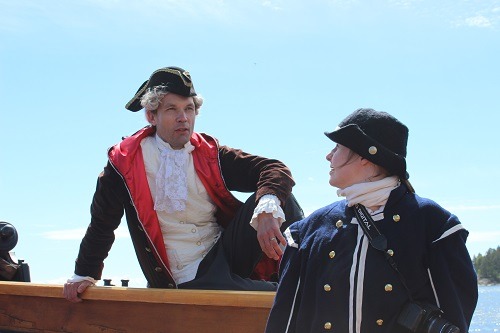
Suomenlinnan telakalla historiallisten piirustusten pohjalta rakennettu tykkisluuppi Diana oli jo ennen neitsytpurjehdustaan osa Metropolia Ammattikorkeakoulun opiskelijatöitä. Sen parissa ovat ahertaneet mm. elokuvan ja television sekä 3D-mallinnuksen opiskelijat. Alus rakennettiin perinteisiä rakennusmateriaaleja ja rakennusmenetelmiä käyttäen vuosina 2010-2014. Tykkisluupit olivat 1700-luvun lopulla kehitettyjä sota-aluksia, joita rakennettiin kymmenittäin Viaporin telakalla Suomenlinnassa. Diana perustuu laiva-arkkitehti Fredrik Henrik af Chapmanin laatimiin piirustuksiin ja Ruotsin laivaston piirustuskonttorin vanhoihin asiakirjalähteisiin. Saatuaan kasteensa 2014 Diana siirtyi käyttöön Suomenlinnan kulttuurimatkailun hyväksi ja samalla Metropolian alumnien osaaviin käsiin. Dianan tarjoamat, historiallisesti elävöitetyt merimatkat ovat ohjaaja-käsikirjoittaja Jani Tihisen käsialaa. Puvustuksen ja tapahtumatuotannon takana on vestonomi (AMK) - kulttuurituottaja (YAMK) Sanna Pietilä. He ovat molemmat työskennelleet Suomenlinnassa vuosien ajan historiaa vaalivan Ehrensvärd-Seura ry:n palveluksessa. Jani on toiminut pitkään myös Metropolian teatteri-ilmaisun ohjaajien tuntiopettajana. Dianan syleilyyn mahtuu nelisenkymmentä aikuista. Alusta ei ole katettu, joten matkaajat ovat säiden armoilla. Diana voi purjehtia kaksin purjein, tai sitä voi soutaa. Airoja aluksessa tosin on vain yksi pari, mutta ne ovat sitäkin pidemmät. Lisäksi aluksella on sähkömoottori. Se auttaa tuulettomalla säällä, jos soutajat voipuvat. Pääsin Dianan kyytiin Helsinki-päivänä. Valistusajan 1790-luvun merimieselämästä ja Kustaa III:n sotafilosofiasta kertoivat matkan aikana kaksi mainiota historiallista hahmoa. Dianaa operoi kolmihenkinen miehistö, jotka ovat myös puetut 1700-luvun tyyliin. Hahmot tuovat hauskan lisän purjehdukseen, mutta eivät vaadi liiaksi huomiota matkan aikana. Mainosteksti lupaa, että osallistujat saavat kokemuksen siitä, millaista aluksella oli aikoinaan seilata. Tärkeintä matkalla olivatkin meri, säätila ja saaristo Suomenlinnan ympärillä. Matkustajat voivat vaikuttaa omalla aktiivisuudellaan retken kulkuun. Helsinki-päivän kyyditettävät osasivat kysyä vaikeita historiallisista asioista, ja saivat myös vakuuttavia vastauksia. Niiden täydellisestä todenperäisyydestä ei auta käydä merillä kiistelemään - Wikipediaa voi selata myöhemminkin. Tykkisluupin voi tilata ryhmänsä käyttöön tai sen kyydissä voi purjehtia heinä-elokuun viikonloppuina tänä kesänä. Lisätietoja Facebook-sivulta
Why Alumni Relations Matter?
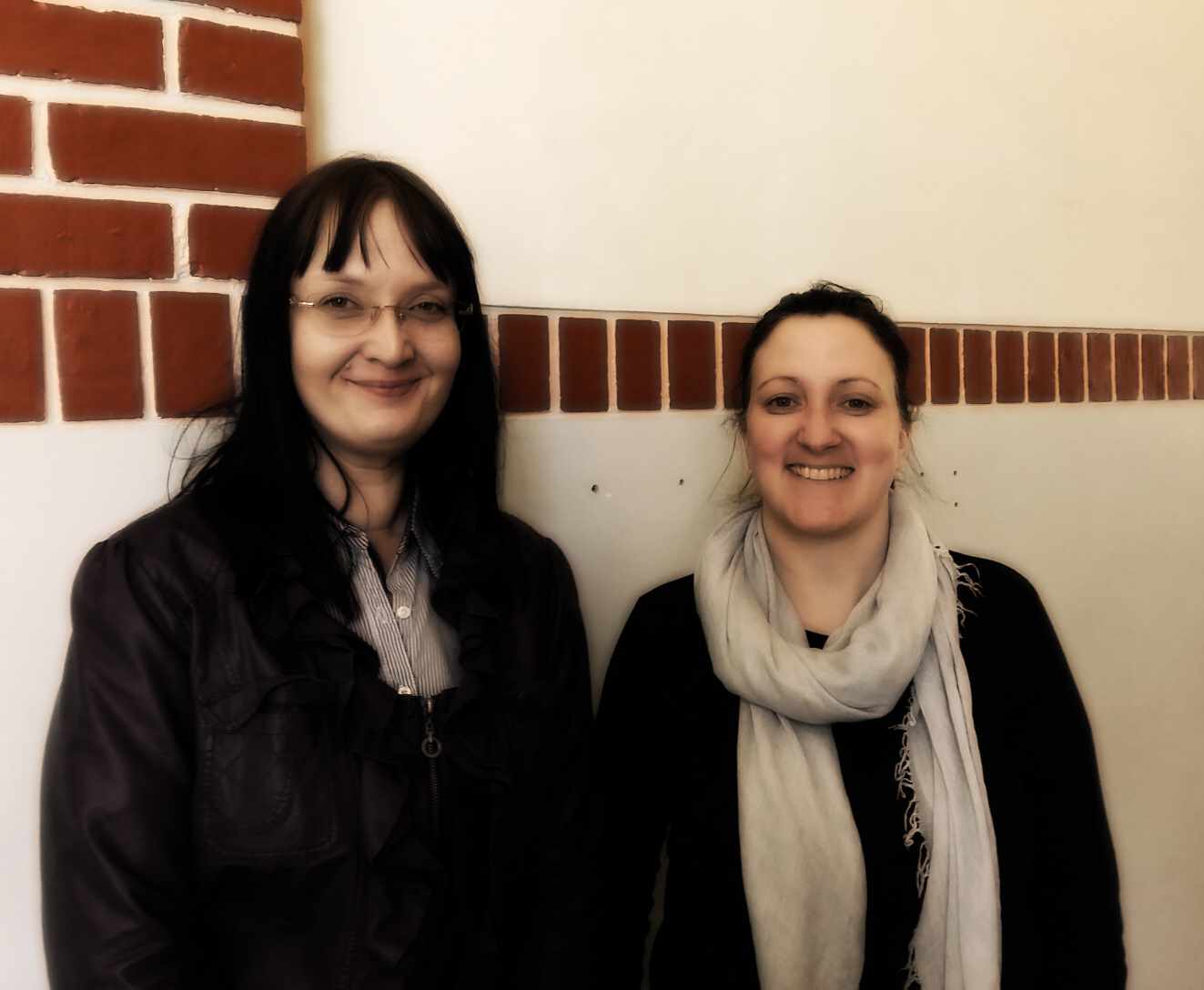
During International Staff Week, coordinators Daniela from Technische Hochschule Ingolstadt (THI) / Germany / Ingolstadt and Milla from Helsinki Metropolia UAS / Finland / Helsinki had discussions concerning Alumni Relations. These are their thoughts on the matter. First of all, German and Finnish education systems differ slightly from each other. In Finland you basically get all the Higher Education studies free of charge. The rest of the world tends to ask for some kind of tuition fees at some point of study. Higher Education in both countries are divided into Universities of Science and Applied Sciences. In Finland and Germany, the Institutions of Higher Education provide studies for Bachelor and Master level.In both countries the graduates are always the alumni of their own alma mater. Alumni membership - There are however national differences between Universities, so let’s take a closer look at THI and Metropolia: At THI alumni network members can be both graduates and current students. At Metropolia alumni register can be joined by graduates, retired employees, international exchange students, but not current students. In both the Alumni Network Membership is free of charge yet donations are welcomed. Alumni activities - At THI the typical Alumni Activities include Events, Seminars, Newsletter, “Behind the Scenes of Faculties” workshops or laboratory talks, Alumni Regular’s Table, Career Lounge, Alumni Spokespersons and their meetings. At Metropolia the typical Alumni Activities include Events, Seminars, Parties, Newsletter and Alumni Relations’ Development Network. There are also possibilities to arrange Campus Walks or other gathering for old classmates. Career after graduation - The University of Applied Sciences studies typically aim at a Degree and a profession and the studies have some integration with working life. The alumni ideally step after graduation to their career path and become members of their professional networks at their workplaces. They also stay in touch with their former student colleagues. Working life ambassadors - In their workplace, alumni are always the ambassadors or messengers of the Universities, too. If they succeed, we can all be successful and gain good reputation. This could also let Universities to gain positive testimonials from their alumni and encourage younger people to apply to university. Life Long Learning - Developing constantly is more and more important for businesses and individuals. The changes in the labor market is very fast. Many universities have their further training centers, where they offer and sell post-graduate education programs or courses. Former students are a big target group for sales purposes and marketing happens often by contacting members of alumni network. Customer relationship - Every successful company is investing in good customer relationship management, why would public company like a University do the same? It might not be a tradition yet, so it could need a little more thought before acting. The golden rule should be that Alumni Relations is always more than just selling. Giving back - On the other side the alumni network has the possibility to give their Alma Mater something back. Financially or by other means. The most valuable things to give back are the experiences after graduation. The alumni can offer the current students insights to working life their teachers might not. What we learned from each other - Based on our experiences as Alumni Relations Coordinators, we have learned that both in Germany and Finland the Engagement of Alumni as well as Staff of University is both hard and necessary. Engagement should be started already during the study years. “That’s why I find student membership a very nice idea, but not sure if it would work for us as such”, thinks Milla, “Instead we should be able to integrate alumni to our everyday studies as visiting lecturers or otherwise. It would benefit alumni to meet the current students, too. The alumni should be invited to come and participate the lessons - not entire courses. This kind of collaboration would not cost anything extra but would benefit all.” “Not only knowing the importance of Alumni Relationship Management is sufficient”, Daniela points out. “It´s important to show the network how important and valuable they are. In order to demonstrate it, Universities may integrate Alumni more visible in any kind of activities. For example, publishing career stories or engaging Alumni as guest lecturer. Further Universities could nominate Alumni for their work, for donations or other best practice activities.” “Finally, we need further collaboration with each other as institutions of higher education. And must have possibilities to compare our practices and learn from each other, in the future too”, Milla concludes.
Alumni Career Paths – Njambi Mungai: from engineer in Finland to leader in Kenya

We asked alumni of different fields to share their experiences in working life after graduation. They all have in common a degree from Helsinki Metropolia University of Applied Sciences (or the previous institutions). This is Njambi Mungai's story. 1.What is your background and how you're linked to Finland? I am a Kenyan citizen, born and raised. I went to Finland to study for my Undergrad degree. Joined Helsinki Metropolia University of Applied Science in 2006, which at that point was Evtek Ammattikorkeakoulu (could never pronounce that word correctly). I studied Information Technology majoring in Software Engineering and minoring in Information Systems graduating in 2011. 2. What is your current profession and where do you work? I am currently in Media as a Team Leader in Standard Digital. Standard Digital is a product of Standard Media group, the oldest media house in Kenya. Standard Digital is the leading website in Kenya, East and Central Africa. I am the head of Standard Digital Entertainment (SDE), a brand of Standard Digital, it is the leading entertainment website in Kenya. I am a writer, sub-editor, strategist, content marketer, social media editor and product developer for Standard Digital. 3. How did you get there? How was your career path? Mine was a warped journey to say the least. After graduating, I did a stint at Nokia Siemens Networks in Espoo as an IT administrator. But I really didn’t like working in the field of software development. I was looking for a passion and a reason to look forward to waking up every morning. I needed a change and Finland was not giving me too many options beyond what I had graduating in. So I packed my bags and headed back home hoping to find my purpose beyond the hill. Even on arrival to Kenya, I really didn’t know where my passion lay. I once again started working in the IT field but here I was able to start learning and branching into different fields. I started writing content and building content based websites for different companies. I even started travelling to write and realized that writing was a thing I immensely enjoyed. I could wake up late at night to write about anything and everything. I also learned more about online marketing and advertising, project management and social media management. A successful application to the digital department of Standard Digital led to the start of SDE and subsequent growth to the top. This was mainly due to great content aggregation, optimization and acting on marketing research. 4. How do you find labour markets at the moment based on your experiences? I would say the labour market is evolving. With the digital age many roles have had to be created while others have become redundant. It is upto to companies and instituitions to recognize the need for such skills and enable training for them. It is upto the public to empower themselves on these skills to be able to position themselves in the market. 5. Based on your own experiences, what have been the most important lessons you've learned so far? I think by far the most important lesson is to find something you love. That is a sure way of being successful in whatever career you choose to pursue because you tend to give it your best. Secondly self-improvement is important. Being well versed in diverse aspects of your career not only gives you an edge but also grows you as an individual. Networking is literally the steps on the ladder of career growth. So get out, meet people and see what opportunities and lessons are out there. Have fun. Laugh, cry, keep good friends close and family closer. 6. If you think your current field of trade, what is/are the hardest for women to tackle? Or does gender have any meaning at all? I wouldn’t say gender is a challenge. At the end of the day if you are great at your job, you will be recognized despite the gender factor. I have never thought to myself that I missed out on an opportunity because I was female. While gender has been quite an impediment in society and especially in Africa, I would say that now is a good time to be born female. Because we women get to be just as educated and heard as much as our male counterparts. 7. How do you want to encourage those willing to have your position at the moment? How can they get there, too? Follow what you love. The rest will fall in place. As Paulo Coelho said,” And, when you want something, all the universe conspires in helping you to achieve it” Want to hear more of Njambi? Read her blog here.


alumni alumni career paths alumnikoordinaattori alumnisuhdetoiminta alumnisuhteet ammattikorkeakoulu career flow-tila Huolinta-alan merkitys ulkomaankaupassa Huolinta-alan tunnettuus Huolinta- ja logistiikka-ala Metropoliassa Huolinta- ja logistiikkalan yritykset hyrinä insinööri kokemus kulttuurituottaja lahjoitukset Logistiikka-alan houkuttelevuus merkitys metropolia Metropolia Ammattikorkeakoulu Metropolian printtimedian sivuaine Metropolia UAS Opintotajonta Metropoliassa opiskelija Painotekniikan ja -tuotteiden modernit sovellukseten painosovellusten Painovoimaa! Printtimedian sivuaine rekrytointi rekrytointiprosessi soveltuvuusarviointi suunnitelma Talotekniikan ja kiinteistötiedon hyödyntäminen tavoitteet testit tutkimus työelämä työllistyminen työnhaku ura uratarina varainhankinta verkostot yhteistyö yrittäjyys
