
Tekijä: Arto O. Salonen
Mobility Revolution – A Shift towards Urban Sustainability

We have ended up into a transport culture nobody wants. Nobody wants to spend time in traffic jams. There is also little desire to turn cities into parking lots. People want to make cities more livable. This means making them less vehicle-centric. Fewer cars are better for me, the society and the planet. Mobility revolution starts from changing values. In welfare societies people take surviving for granted. Nothing material is intrinsically valuable for them because they have used to have food, shelter, education opportunities and health care. Thus people are increasingly looking for deeper meaning in their lives rather than aiming at owning more goods. They are moving from ownership to usership. The change from ownership to usership – in the context of mobility – is demonstrated by the fact that in Stockholm, Sweden only one in ten 18-year-olds gets a driving license. In the USA nearly one in five young adults do not have a driver’s license. In Germany multi-modality increases and the ownership of private cars declines. This trend is also identified in Helsinki, Finland. Vehicles are more often replaced by trouble-free access and good availability of mobility. In practical terms multi-modality means that there is seamless multi-modal transport system which can reduce car-dependency and its adverse consequences by supporting a shift from private cars to car-sharing and collective transport. Collective transport can be run by government or private companies. Mobility revolution is already underway. People already prefer walking because it helps taking care of health. This trend will be supported by the fact that autonomous vehicles – supposed to be launched in 2018-2022 – are sensitive. They do not take risks. This gives more power to pedestrians and cyclists. In future, railway transport will still take care of the most significant form of mobility for large masses in urban contexts. Bus services will adapt much more flexibly to citizens’ actual needs. Shared, self-driving vehicles and city bikes fulfill the more individual needs of mobility. It is notable that carsharing is projected to exceed 23 million members globally by 2024. Many people have already recognised that a bicycle is one of the most efficient urban transportation ever invented: versatile, agile, fast, and clean. City bikes as part of the multi-modal transport service have been tested with promising results in several cities. The next step is that self-driving buses will be added to the system. This will be tested in Finland soon. Autonomous vehicles without drivers do not inspire full confidence. Even if 90 percent accidents are due to human errors would you allow a self-driving car to take your child to school? In order to increase passengers´ sense of security the driver can be replaced for example by a pop-up shopkeeper selling products of the local bakery. By such integration of additional services, the concept of multimodal mobility could be enlarged. Local versions of Mobility as a Service (MaaS) have been piloted in Helsinki, Paris, Eindhoven, Gothenburg, Montpellier, Vienna, Hanover, Las Vegas, Los Angeles, Denver, Singapore, and Barcelona. MaaS integrates public transportation to other mobility services that also include private-sector operators. Journey planning mobile applications help us identify and compare different modal options for trips. Mobility revolution can be strongly supported by governmental policies. A governmental policy is an effective way to enhance comprehensive social change. For example, the governmental decision-making related to smoking has been effective in Finland since the 1970s. If smoking decreases in the current rate, it will be a rare habit in the 2040s, and in 2040 Finland will practically be a smoke-free country. Thus smooth co-operation between mobility management players, public and private transportation providers, and local authorities responsible for transportation is a core thing for developing a seamless multi-modal transport system. A deep shift towards multi-modal mobility services in society is possible when people recognise that their own, personal benefits can be combined with the altruistic ecological and social benefits. Photo: Anders Jildén, unsplash.com
Edistys antaa syyn elää?
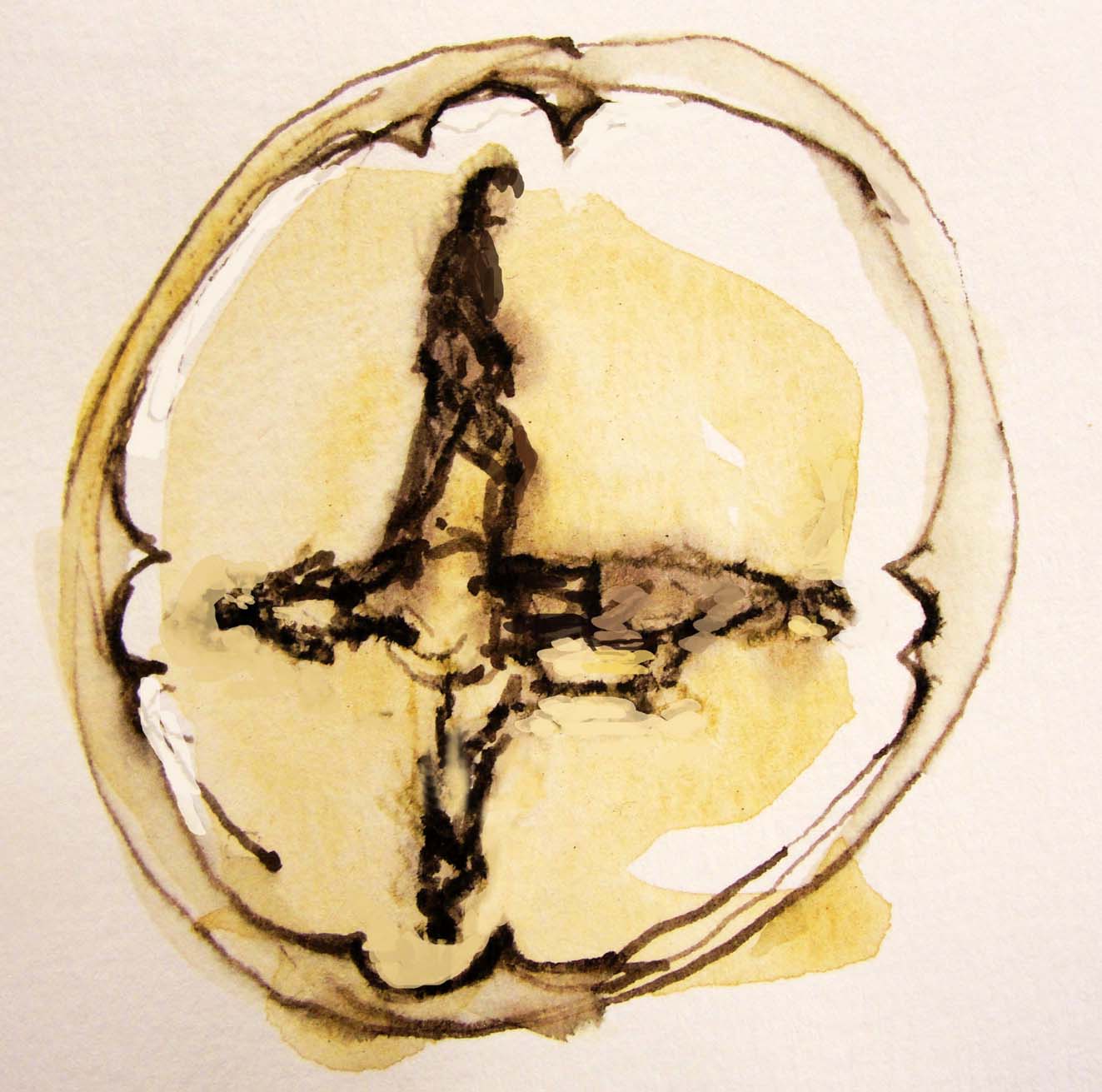
Yhä useampi meistä kokee, että pitää juosta nopeammin ja nopeammin, jotta pysyisi paikoillaan. Mielenkiintoista on, että rahamme eivät riitä, vaikka olemme vauraampia kuin koskaan aikaisemmin ihmiskunnan historiassa. Mitä oikein pitäisi tehdä, että pääsisimme eteenpäin? Mitä on edistys? Edustavatko edistystä suuremmat kuvaruudut, älykkäämmät puhelimet ja nopeammat tietokoneet? Mitä opimme siitä, että suomalaisten kokemus hyvinvoinnista ei ole kohentunut vuoden 1966 jälkeen? Keskivertosuomalaisella on 10 000 hyödykettä. Jos olisi 20 000, olisiko elämä haluttavampaa? Mitä oikeasti tarvitaan enemmän ja mitä vähemmän hyvän elämän elämiseksi? Ilmeneekö aito edistyminen siten, että uuteen päivään on kevyempää herätä? Lisääkö aito edistyminen elämänpaloa? Tavoittaako edistyksen ytimen siten, että tunnistaa oman elämän hienoimmat hetket ja rakentaa tulevaisuuden niitä uusintamalla? Edistystä on kaikki se, mikä auttaa liittämään omaa elämää osaksi itseä suurempaa kokonaisuutta. Sitä on taiteen saavutettavuuden parantuminen, kulttuurin monimuotoistuminen ja sosiaalinen vaurastuminen. Edistys auttaa ylittämään tottumusten rajat ja saa elämän tuntumaan haluttavalta. Edistyksellisessä tuotteessa tai palvelussa yhdistyy oma etu ja yhteinen hyvä. Itsekäs voiton tavoittelu yhteiskunnan, kansalaisten ja luonnon kustannuksella on tullut läpinäkyvyyttä edellyttävässä maailmassa yhä vaikeammaksi. Edistyksellinen tutkimus-, kehitys- ja innovaatiotoiminta tunnistaa yhteiskunnalliset ongelmat ja tarttuu globaaleihin haasteisiin. Käydään suoraan tulta päin ja rakennetaan maailma, josta tulevat sukupolvet voivat olla ylpeitä. Tällöin huomion kohteena ovat huono-osaisuus yhteiskunnassa kansanterveydelliset riskit likaiset energiaratkaisut tuhlailevat teolliset prosessit elämäniloa tukahduttava ja latistava ilmapiiri epätaloudellinen talous, sekä kaikenlainen urautunut ja vaihtoehtoja näkemätön ajattelu. Ajallemme tyypillisten viheliäisten ongelmien ratkominen antaa syvempiä merkityksiä jokaiselle toimijalle. Syntyy jaettua arvoa. Se tuo toiminnalle arvokkaan tarkoituksen. Tarvitaan enemmän sosiaalisia innovaatioita ja vähemmän materiaalista vaurautta. Enemmän aineettoman hyvinvoinnin varaan rakentamista ja vähemmän tavaravaurautta. Edistys ilmenee ihmiskunnan toivon lisääntymisenä. Aito edistys kiteytyy kehitykseen, joka lähentää köyhää ja rikasta. Tuloerojen kaventuminen lisää ihmisten välistä luottamusta ja parantaa yhteiskunnan eheyttä. Elämä on miellyttävää sellaisessa yhteiskunnassa, jossa ihmiset luottavat toisiinsa, tekevät yhteistyötä ja huolehtivat toisistaan. Edistys tuntuu elämän haluna luissa ja ytimissä. Se maksimoi tulevaisuuden toivon ja vapauttaa ihmisen täydemmän potentiaalin. Edistyksen ilmapiirissä on mahdollista olla kaikkea sitä, mitä ihminen parhaimmillaan voi olla. Edistys on sivistystä, joka antaa syyn elää. Kuva: Timo Pajunen
Tikissä on Metropolian tutkimus-, kehittämis- ja innovaatiotoiminnan (TKI) blogi. Bloggaajat ovat ammattikorkeakoulun henkilöstöä sekä muita TKI-toiminnan asiantuntijoita. Jos haluat kirjoittaa blogiin, ota yhteyttä toimituskuntaan.
Milla Åman Kyyrö, päätoimittaja
Viestinnän asiantuntija, TKI-hankkeet ja kehittäminen
p. 050 342 0341
milla.amankyyro@metropolia.fi
Päivi Keränen
Projektipäällikkö, Muotoilu
p. 040 184 1952
paivi.keranen@metropolia.fi
Jussi Linkola
Projektisuunnittelija, Hankeviestintä- ja julkaisupalvelut
p. 040 184 2448
jussi.linkola@metropolia.fi
Toimituskunta toimittaa Tikissä-blogin sisällöt ennen julkaisua.










3AMK ammattikorkeakoulu asiantuntija Dallaten FUTU hanke hankeviestintä hankkeet hyvinvointi innovaatio innovaatio-opinnot innovaatiot Innovation johtaminen Katse tulevaisuuteen kehittäminen keksintö kestävä kehitys koulutus metropolia minno nuoret Oona-hanke opiskelijat oppiminen osaaminen osaamisen kehittäminen resilienssi service design sosiaali- ja terveysala tekoäly tki TKI-toiminta tulevaisuus tuottavuus tutkimus työelämä työhyvinvointi työllistyminen viestintä vuorovaikutus yhteiskehittäminen yrittäjyys yritystoiminta yritysyhteistyö

Ideoimme, rikastamme ja kehitämme käytäntöön uusia ratkaisuja yhteistyössä yritysten, julkisen sektorin, järjestöjen ja asukkaiden kanssa.