
Avainsana: Metropolia UAS
E-drive Retro – Innovation Project upcycles Vintage Cars
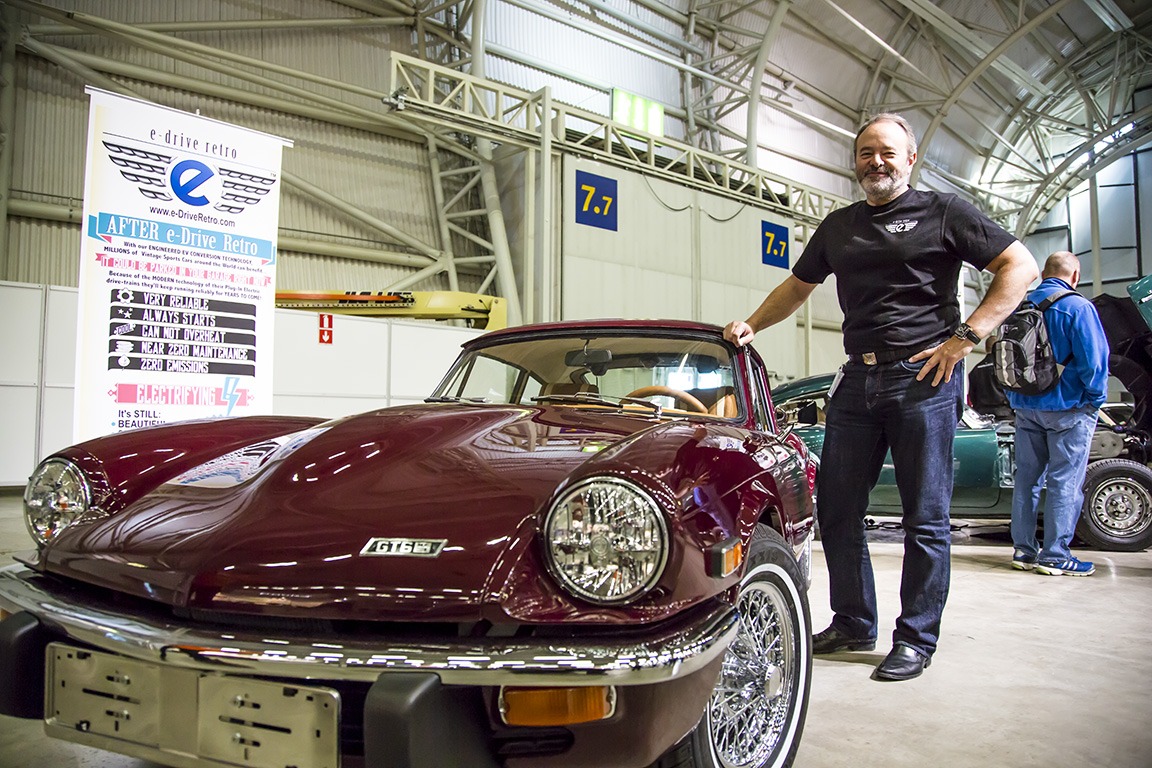
The beautiful, old "american" cars from 1950s and 1960s are gas-driven and huge in size. Unfortunately, their motors running with gasoline and are nowadays considered as nature-destructive vehicles. Globally, hundreds of thousands, even millions of old cars have their own fan base. Enthusiasts are worried to see their own piece of beloved machinery loose their usability. Is there any way of updating the retro cars with modern technology, without losing the design, oh-so-cosy interior and the old feel? Running cars with electricity instead of gas has been seen as the greener option. As the cleantech focuses on engineering and making cars emission-free, car owners are still worried if all the new cars have to have the futuristic design. Thanks to the vision of one man, lucky coincident and young engineering talent we might still be able to see the vintage cars driving on streets. Mr. Michael M. Richardson from E-drive Retro has begun to realise his vision of upcycling the vintage beauties. Technology’15 Convention was recently held in Helsinki, Finland. Mr. Richardson’s company and two lovely vintage cars were the showpiece audience wanted to see and understand more closely. The Estonian-based assembly line has not popped out of the blue. E-drive Retro has been developing technological solutions in collaboration with Helsinki Metropolia University of Applied Sciences as part of car and electric engineering students’ innovation project. The vision of bringing life to old cars has been bubbling under for a decade in mr. Richardson’s mind. According to mr. Richardson, the time was not ripe before Tesla made the whole e-car industry take a leap ahead. Hard work starts paying as audience will become more familiar with the idea of plugging the car into the wall instead of driving it to the nearest gas station. But how did mr. Richardson find Metropolia’s engineering students in the first place? “It was a coincidence”, he says “I happened to bump into an old student of mine, who was studying at Metropolia. She gave me the hint, I found out more and soon enough we were collaborating. Couldn’t be more pleased with the results!” Watch Michael M. Richardson’s sharing his thoughts on the vintage car upcycling and the project work on the Youtube-clip below. https://youtu.be/bZ4vp51lpw4 For more detailed information, please contact E-drive Retro’s homepage here.
Why Alumni Relations Matter?
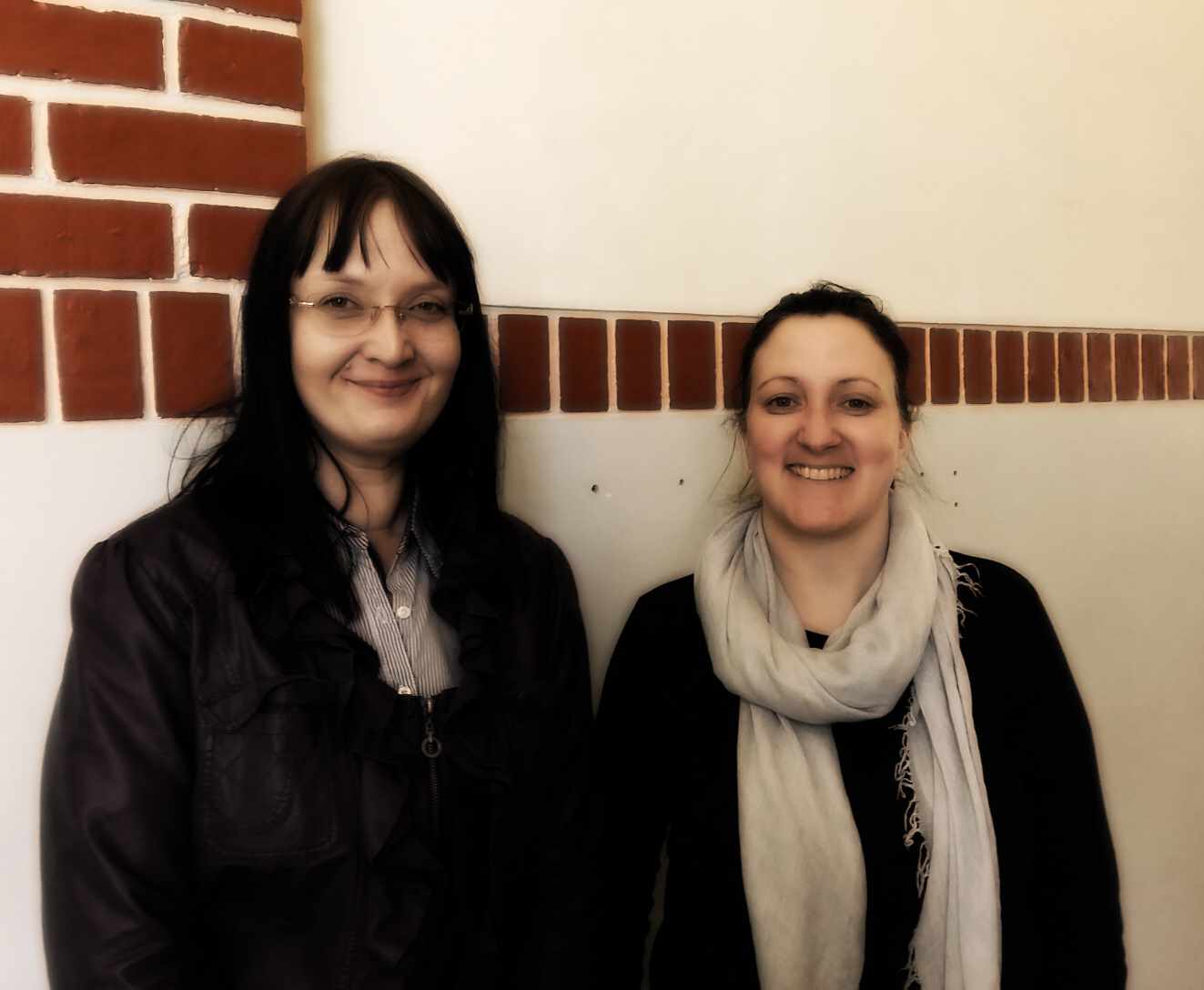
During International Staff Week, coordinators Daniela from Technische Hochschule Ingolstadt (THI) / Germany / Ingolstadt and Milla from Helsinki Metropolia UAS / Finland / Helsinki had discussions concerning Alumni Relations. These are their thoughts on the matter. First of all, German and Finnish education systems differ slightly from each other. In Finland you basically get all the Higher Education studies free of charge. The rest of the world tends to ask for some kind of tuition fees at some point of study. Higher Education in both countries are divided into Universities of Science and Applied Sciences. In Finland and Germany, the Institutions of Higher Education provide studies for Bachelor and Master level.In both countries the graduates are always the alumni of their own alma mater. Alumni membership - There are however national differences between Universities, so let’s take a closer look at THI and Metropolia: At THI alumni network members can be both graduates and current students. At Metropolia alumni register can be joined by graduates, retired employees, international exchange students, but not current students. In both the Alumni Network Membership is free of charge yet donations are welcomed. Alumni activities - At THI the typical Alumni Activities include Events, Seminars, Newsletter, “Behind the Scenes of Faculties” workshops or laboratory talks, Alumni Regular’s Table, Career Lounge, Alumni Spokespersons and their meetings. At Metropolia the typical Alumni Activities include Events, Seminars, Parties, Newsletter and Alumni Relations’ Development Network. There are also possibilities to arrange Campus Walks or other gathering for old classmates. Career after graduation - The University of Applied Sciences studies typically aim at a Degree and a profession and the studies have some integration with working life. The alumni ideally step after graduation to their career path and become members of their professional networks at their workplaces. They also stay in touch with their former student colleagues. Working life ambassadors - In their workplace, alumni are always the ambassadors or messengers of the Universities, too. If they succeed, we can all be successful and gain good reputation. This could also let Universities to gain positive testimonials from their alumni and encourage younger people to apply to university. Life Long Learning - Developing constantly is more and more important for businesses and individuals. The changes in the labor market is very fast. Many universities have their further training centers, where they offer and sell post-graduate education programs or courses. Former students are a big target group for sales purposes and marketing happens often by contacting members of alumni network. Customer relationship - Every successful company is investing in good customer relationship management, why would public company like a University do the same? It might not be a tradition yet, so it could need a little more thought before acting. The golden rule should be that Alumni Relations is always more than just selling. Giving back - On the other side the alumni network has the possibility to give their Alma Mater something back. Financially or by other means. The most valuable things to give back are the experiences after graduation. The alumni can offer the current students insights to working life their teachers might not. What we learned from each other - Based on our experiences as Alumni Relations Coordinators, we have learned that both in Germany and Finland the Engagement of Alumni as well as Staff of University is both hard and necessary. Engagement should be started already during the study years. “That’s why I find student membership a very nice idea, but not sure if it would work for us as such”, thinks Milla, “Instead we should be able to integrate alumni to our everyday studies as visiting lecturers or otherwise. It would benefit alumni to meet the current students, too. The alumni should be invited to come and participate the lessons - not entire courses. This kind of collaboration would not cost anything extra but would benefit all.” “Not only knowing the importance of Alumni Relationship Management is sufficient”, Daniela points out. “It´s important to show the network how important and valuable they are. In order to demonstrate it, Universities may integrate Alumni more visible in any kind of activities. For example, publishing career stories or engaging Alumni as guest lecturer. Further Universities could nominate Alumni for their work, for donations or other best practice activities.” “Finally, we need further collaboration with each other as institutions of higher education. And must have possibilities to compare our practices and learn from each other, in the future too”, Milla concludes.


alumni alumni career paths alumnikoordinaattori alumnisuhdetoiminta alumnisuhteet ammattikorkeakoulu career flow-tila Huolinta-alan merkitys ulkomaankaupassa Huolinta-alan tunnettuus Huolinta- ja logistiikka-ala Metropoliassa Huolinta- ja logistiikkalan yritykset hyrinä insinööri kokemus kulttuurituottaja lahjoitukset Logistiikka-alan houkuttelevuus merkitys metropolia Metropolia Ammattikorkeakoulu Metropolian printtimedian sivuaine Metropolia UAS Opintotajonta Metropoliassa opiskelija Painotekniikan ja -tuotteiden modernit sovellukseten painosovellusten Painovoimaa! Printtimedian sivuaine rekrytointi rekrytointiprosessi soveltuvuusarviointi suunnitelma Talotekniikan ja kiinteistötiedon hyödyntäminen tavoitteet testit tutkimus työelämä työllistyminen työnhaku ura uratarina varainhankinta verkostot yhteistyö yrittäjyys
