

Metropolia is currently preparing for the Pro-Athlete UAS status audit, which will be held in March 2025. In this blog series, Metropolia’s top and competitive athlete students, as well as staff and partners involved in HUMKK preparations, will have their say.
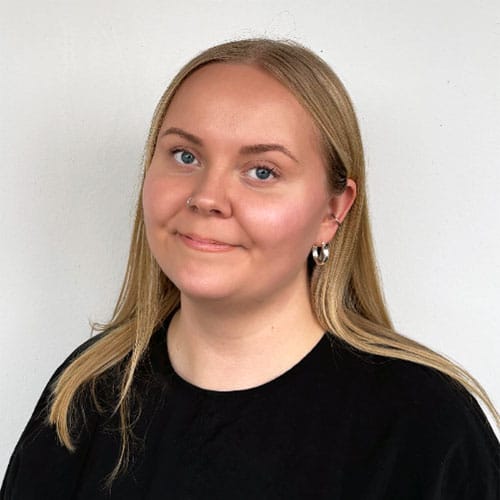
Introducing Paula Lindqvist, a Long-time University of Applied Sciences Expert and Study Counselor
Paula has extensive experience as a study counselor and vocational special education teacher, and for some time as a degree program coordinator. Her job also includes being the contact person for athlete students.
Her daily work largely consists of guiding students: study plans, matters related to taking study breaks, considering and completing unfinished studies fill many workdays.
Being a study counselor at a university of applied sciences is very versatile and lively work: the job description includes many different types of tasks, not all of which are necessarily related to each other. It is then good to remember how these things can be tied together into event chains – or delegated to the right party in collaboration with colleagues.
What is the Current Situation of Athlete Students at Metropolia: How Many Are There, What Sports Do They Represent, and What Kind of Issues Do They Turn to You For?
The Helsinki Metropolitan Area Sports Academy Urhea has reported about 30 athlete students to us, and the number is certainly higher when including other goal-oriented competitive and high-performance athletes. Metropolia also has league-level athletes who may not have realized their status as high-performance students or simply do not feel the need for additional support in their studies due to the existing flexibility.
By systematically informing study plan advisors, tutors, and study counselors, we can get a broader and more accurate picture of high-performance students at Metropolia. The open pathway for athletes also supports identification.
Describe a Typical Workday in Handling Student and Athlete Student Matters
There are generally no two identical workdays, although there are almost always student meetings. The basic work routine includes many different team meetings (e.g., Counselor Team, Special Education Team) and meetings with students and study psychologists, counselor info sessions, and similar sessions, as well as study technique info sessions for new groups. I also try to participate in training webinars whenever possible.
A very large part of the work involves responding to emails from students, teachers, and external parties: answering questions and inquiries from applicants, high school counselors, and TE services advisors.
What Kind of Athlete Student Issues Do You Want to Influence and How?
Firstly, to be able to see different strengths: people produce skills in various fields, such as culture and art. Applicants who want to study with a sports focus are important to us, and their skill development is seen as versatile, thus avoiding confrontation such as art vs. sports – a student can and often is talented in both!
I hope for administrative action. If a student with a competitive or sports background at Metropolia needs discretionary study time because of the demands of sport, we must act equally because we want to encourage the student to succeed in their dual career, i.e. developing two types of competences at the same time.
Additional expertise: a special merit pathway could possibly also come to Metropolia, as it is in some other higher education institutions. We could investigate this. It is important to develop teachers’ understanding, e.g., when an athlete is in the national team or a team, which we at the institution do not always fully understand (yet). Commitment and participation in essential sports-related events are important for the athlete, and athlete students are usually very conscientious. Study schedules need to be even more flexible in these areas.
Greetings to Athlete Students Aspiring to Metropolia
As a university of applied sciences at the beginning of its HUMKK path, Metropolia works hard and listens sensitively to its students in this matter as well. Cooperation with METKA is already being done on the athlete student issue.
Additionally: from cheerleaders to weightlifters, the range of sports among our students is absolutely amazing! There are even sports that one didn’t realize existed, such as underwater rugby (an example of a graduated student). Our students have potential and skills! It is worth promoting the academic recognition of sports and the joy of one’s own sport!





Comments
No comments