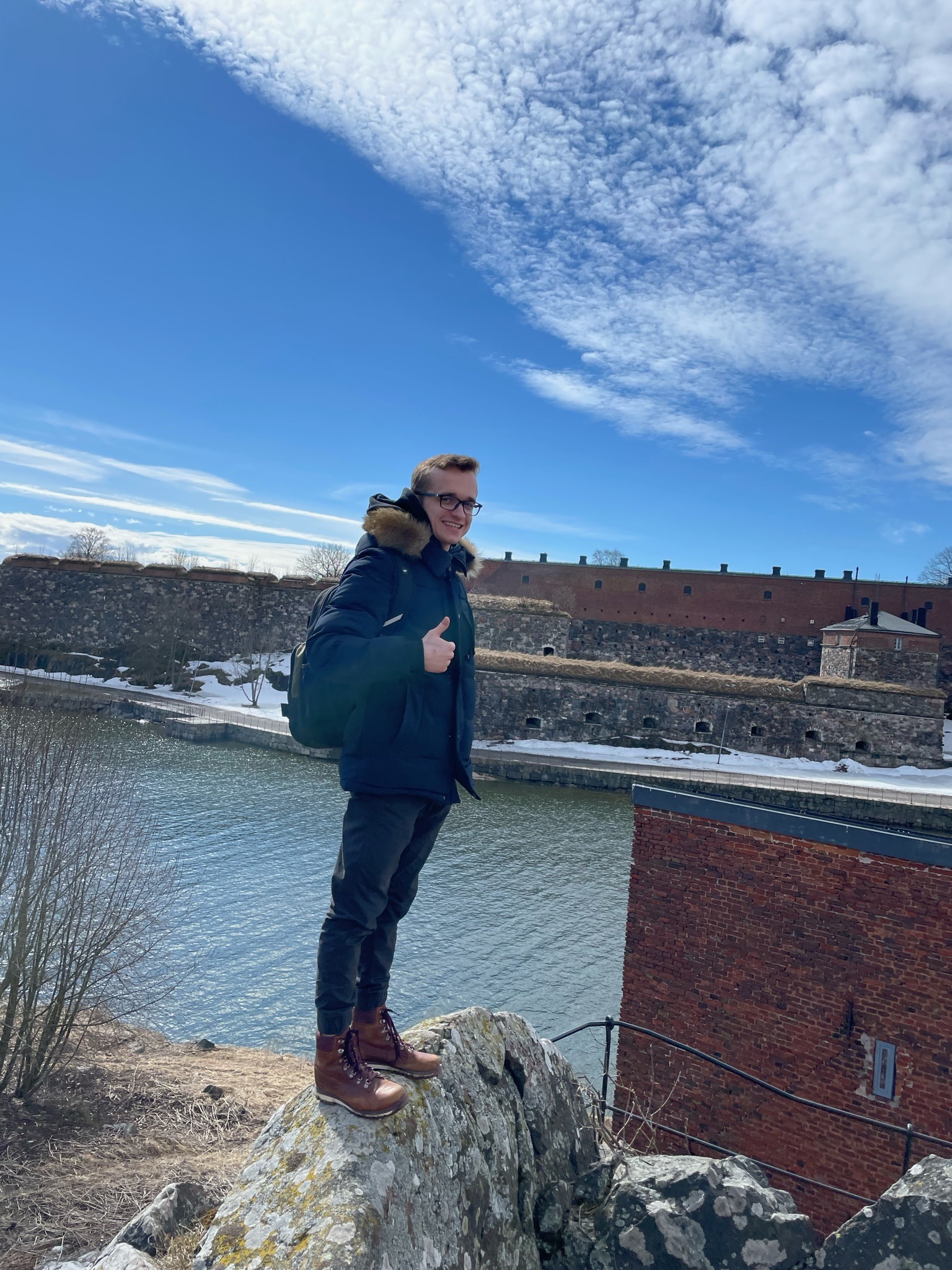
Rafał Bartosiak participated in an exchange semester during academic year 2021-2022. He was studying Electronics in the Field of Technology. Doing an exchange semester abroad was an obligatory part of Rafał’s degree program in his home university Lodz University of Technology in Poland. The exchange process started with an internal application period and Rafał was chosen to apply to Metropolia. “For a couple of years, I had been interested in how it looks in Northern Europe and I wanted to hear Finnish language myself. I also wanted to experience one of the best education systems in the world as well as be in a country where I can easily manage in English”. Finland turned out to be a great destination for Rafał who prefers cold and wanted to see nature.
Study Experience at Metropolia
Study experience in Metropolia surprised Rafał positively. Metropolia as University of Applied Sciences offered a different kind of perspective to a traditional university: studying is just not about the theory but especially about using it in practice. Learning methods did not differ much to his home country as they included both group and individual work, but lab working was freer in Metropolia. Electronics courses are worth 15 ECTS In Metropolia and exchange students participate on two courses during the exchange semester. Rafał found the big course sizes good: “It was nice to be able to focus only on one subject specifically at once”. Rafał also noticed that students don’t get pressed to study in Finland but they are expected to take responsibility over their own schedules and success.
Rafał got to be a part of the Finnish student union tradition to Metropolia’s student union METKA. He took part into some events organized by METKA but the best thing was to be able to wear the student overalls. In the spring semester the biggest event was the Vappu (May 1st) celebration. METKA also organized tutoring for exchange students and Rafał also had a tutor who was, for example, welcoming him on the airport and brought Rafał to his student dorm in Finland.
Free-time and Finnish Experience
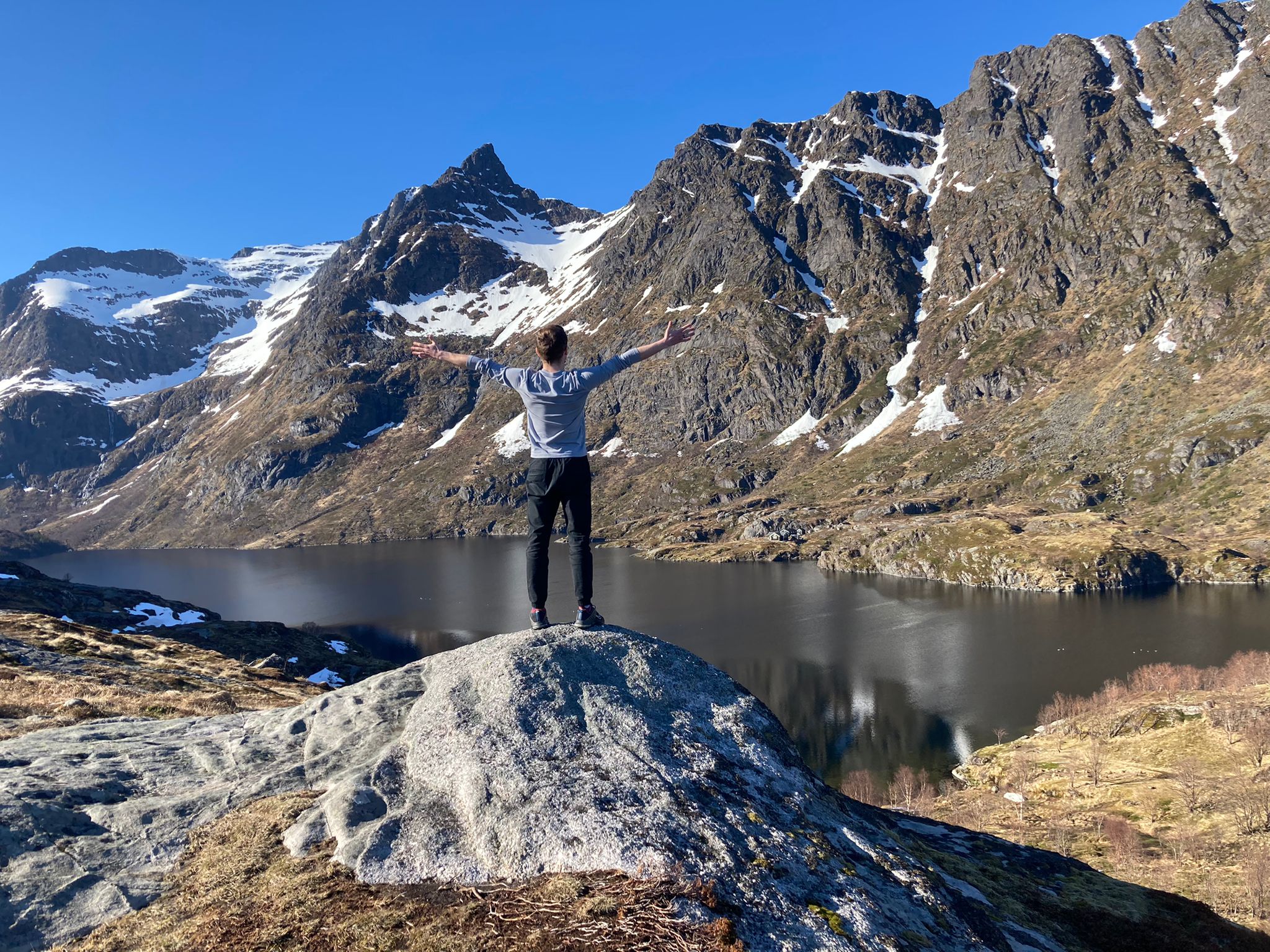
Rafał enjoyed especially the Finnish nature and sauna during his stay: “I fell in love with sauna and in the end went to sauna twice a week!”. Rafał was amazed by the amount of forests in Finland and the good air quality even in Helsinki city. He was also able to travel a lot within Finland: he went to Lapland and saw the northern lights as well as to Turku and Tampere. Helsinki itself offered also a lot of nice destinations, such as Seurasaari, Suomenlinna and Mustikkamaa islands, as well as the important landmarks Helsinki Cathedral and Temppeliaukio church. Besides this Rafał also traveled to the Baltic countries and Lofoten in Norway.
Tips from Rafał:
- Go to sauna a lot – most student houses from HOAS have a common sauna that students can reserve for free!
- Try to travel a lot – go especially to Lapland in the winter!
- Apply for a tutor
- Use the HSL app for public transport
Sinua saattaisi kiinnostaa myös nämä
International opportunities at Metropolia from a student’s perspective
7.8.2025
Metropolia Exchange
Hi! My name is Augusto Asis de Barros, and I’m a student of International Business and Logistics and worked as an International Relations intern at Metropolia. During my studies at Metropolia, I had the opportunity to participate in various international exchanges in Germany and the Netherlands, which I discovered while exploring Metropolia's internal announcements website. Applying for the exchanges was easy and required little effort, since the instructions for mobility are straightforward to understand and cover all the most important requirements.
The first exchange I had the chance to go on was for a summer course in 2023, related to Industrial Heritage and Sustainability. It was a joint programme of the European Route of Industrial Heritage (ERIH), the Berlin Centre of Industrial Culture (bzi), and the Berlin University of Applied Sciences (HTW). This exchange helped me network with people from different backgrounds and cooperate to develop a concept or project related to both industrial heritage and sustainability. It was an experience full of learning, teamwork, and also a nice way to explore a big city like Berlin while learning together and visiting different sites related to industrial heritage, sustainability, and culture.
The exchange program helped me gain valuable knowledge and sparked my interest in industrial heritage. As a result, I co-founded a network for young professionals, which is now part of the European Route of Industrial Heritage. I feel like going on exchange opened the doors not only to new opportunities but also to career development and gave me a push to step out of my comfort zone, which, in my opinion, was very positive. Now, back in Finland, I continue to manage this non-profit network alongside my colleagues from Germany, which demonstrates how international mobility can help you become part of something bigger.
Another exchange opportunity I had was a summer course in 2023 about innovative and sustainable transportation in Germany, from FH Münster University of Applied Sciences. In this course, we were a group of many local and international students and traveled around different German cities like Bremen, Hamburg, and Berlin, where we visited many transportation industries. We learned how to use many different tools to become more creative and to learn about sustainability from different perspectives.
I feel like going on exchange opened the doors not only to new opportunities but also to career development and gave me a push to step out of my comfort zone, which, in my opinion, was very positive.
I have built many close friendships through international experience, which made me even more positive about the importance of traveling to other countries for study opportunities. Studying abroad made me more open to learning new things, socializing and it also contributed a lot to my cross-cultural and teamwork skills.
The last but not least international course I had was the hybrid course called the U!REKA Change Agents Programme, which took place in 2024 and had both online sessions and a short exchange in the city of Amsterdam at the Amsterdam University of Applied Sciences. U!REKA is an Urban Research and Education Alliance of European Universities of Applied Sciences, and they aim to cooperate to educate to contribute to a more inclusive, sustainable, intercultural and open-minded Europe.
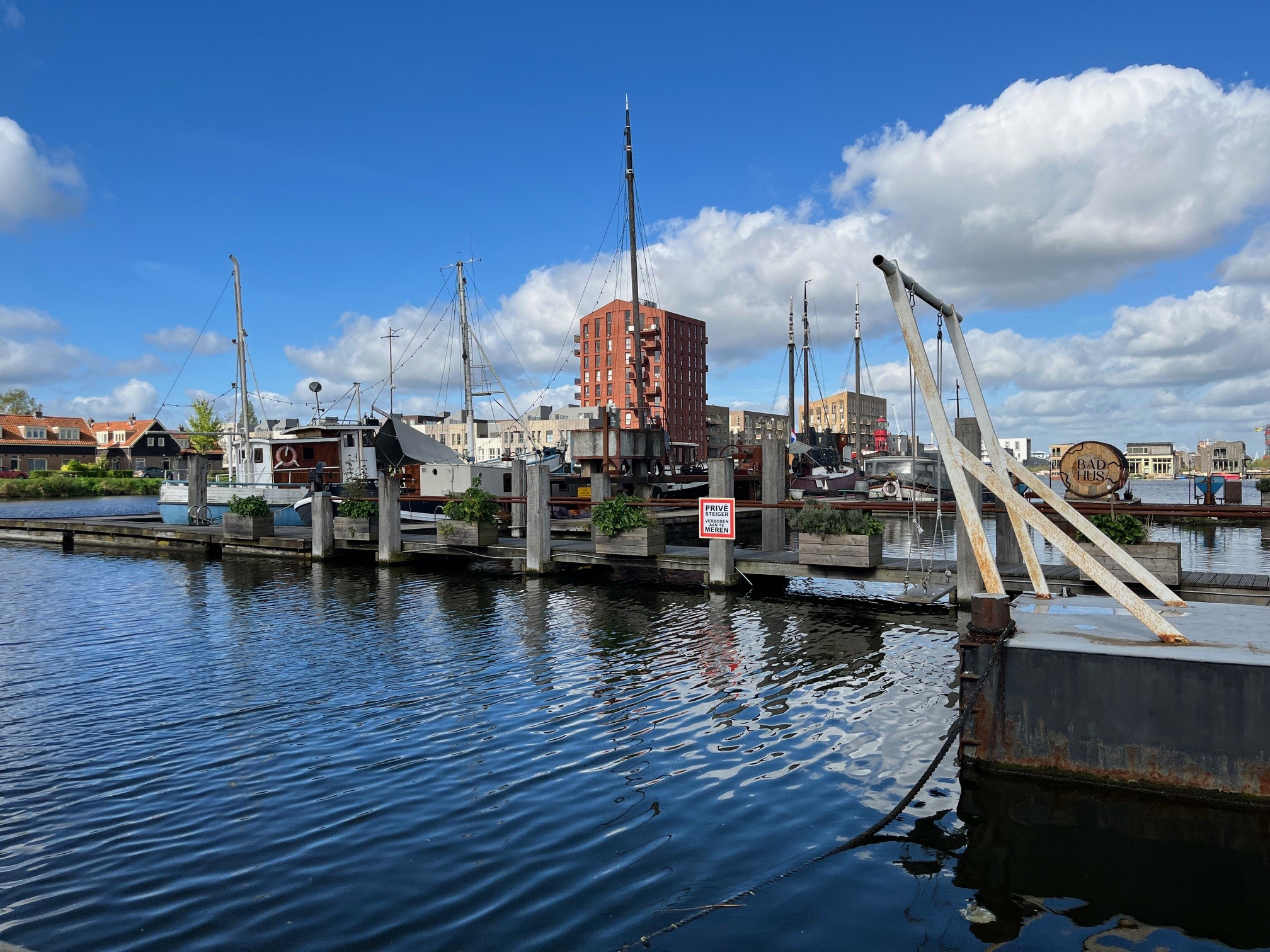
This programme was especially interesting because of its ambition to help us students develop sustainable development ideas related to the use of water in Europe. We had the chance to visit different sustainability-related facilities around Amsterdam, and these visits gave us a broader idea of sustainability and how Amsterdam approaches the use of water. We not only met people from many universities but also had the chance to become closer in our group of students from Finland. We also explored the city by bike, which was a new and valuable experience because Amsterdam has an amazing cycling infrastructure. The internationality of the city, how it is full of water channels and the many restaurants were things we enjoyed as a group.
Also, having the chance to learn from professionals from other universities was different and helped us understand more aspects of water and sustainability, and the different importance it has in other countries.
Overall, I highly encourage other students to explore international exchange opportunities offered by the university. These experiences can truly change the way you learn and understand the world. They are also a great way to expand your professional network, make new friends and learn about different cultures.
Check more about the exchange possibilities in Metropolia's study guide!
Erasmus+ Inclusion Support enabled me to join the Blended Intensive Programme (BIP) in Portugal!
20.6.2024
Metropolia Exchange
The story about student exchange was almost unrealistic for me. I am single mom of three kids. However, my oldest child is already 18 and my two small boys are living with me. Me and Robin started studying in the same year. I started with bachelor program in International Business and Logistics (IBL) at Metropolia, and he went to first grade at school. My youngest one was five years old in those days.
The idea about being an exchange student was a personal long-lasting dream, but somehow I felt it is not applicable for me. For me it was way too complicated to change a country, especially when having a lot of responsibilities at home already. Time went fast... Kids become more confident and I tried to apply for 6 months study exchange in Spain. The reason for choosing this country – I speak Spanish a little and would like to improve knowledge and get another European perspective to my study field.
However, I was already doing my final study year and long-term exchange did not anymore fit into my degree study plan. So, the exchange was not a possibility at that time and would have postponed my graduation. Then the idea sort of faded away, until on one day I got an email about FinBank challenge in Portugal, Blended Intensive Programme about Banking and Finance study with Setúbal Polytechnic Institute! The program promised to be intensive and during one week in Portugal should be presented innovation for banking sector related to design thinking and creativity. Additionally, we were able to meet with students from all over Europe online.
I applied and got selected!
I have been so lucky when Erasmus+ programme and International Relations Adviser in Metropolia nominated me as exchange student for this programme. That really meant a lot for me! Without funding from Erasmus+ Blended Mobility I couldn’t have been able to cover the expenses of travelling and living on top of my family's other expenses.
Our intensive finance course in Setúbal was held in May 2024. A great value is that Erasmus+ programme supports students with families with additional inclusion support. This made me feel that Metropolia cares about young parents a lot. My total financial support was almost 1200 euros as I was entitled for the inclusion support, travel grant and the program day support! This is really good form of support, if you know how to take care of the arrangements correctly!
This BIP about Finance was well organized by Portuguese colleagues. Professor Ana Rolo from Setúbal Polytechnic Institute provided each student team very good guidance. So, even though my major, Logistics sector is not that much finance and banking-oriented, but it was not difficult to get in to idea and join the team work and start learning!
Getting ready for an adventure!
From Metropolia we traveled to Portugal together in a group of five Metropolia Business School students. In the actual group work project, there were students from Norway, Portugal, Czech Republic, Romania and Belgium. Luckily, we quickly divided the tasks and got really motivated about the topic. Actually, our project was successfully completed one day before deadline.
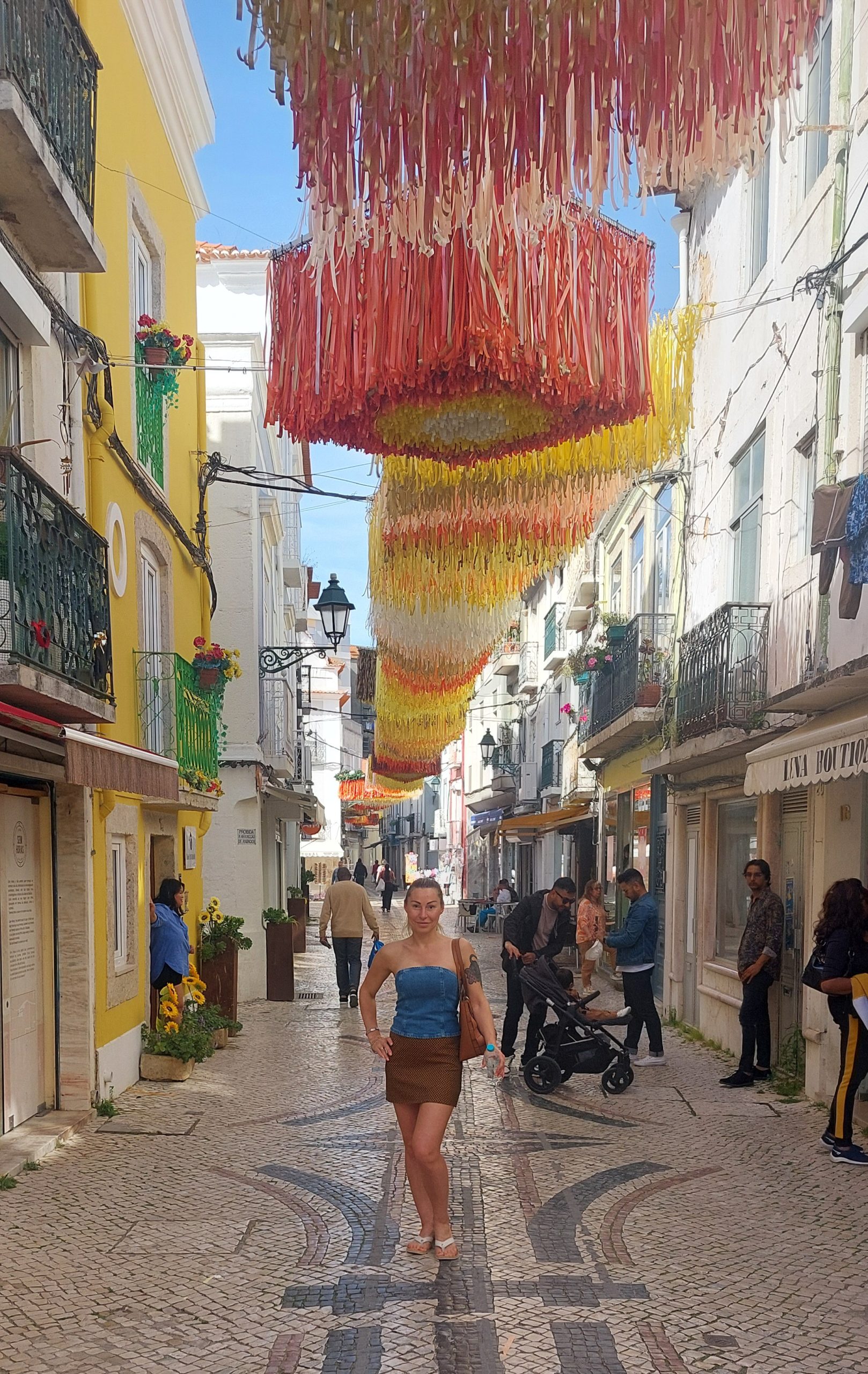
All in all, I was able to gather many lovely experiences from Portugal as the Instituto Politécnico de Setúbal created an amazing program for the students. For example, we visited Palácio da Bacalhôa located in São Simão, Azeitão, Setúbal, wine and cultural tour, went to some nice beaches by the ocean and even a natural park. Our lunch was in a most beautiful restaurant of the city - Casa da Baía.
The communication with professors was smooth as we were able to ask questions, but also the work in the group of students was highly enriching and brought some new perspectives! All in all, a brilliant experience from Erasmus+ programme. I’m so thankful for International Relations Adviser and exchange possibilities at Metropolia. Because of them - I could see the ocean.
Last but not least; Many greetings to my teammates who make amazing effort on presentation day!
Tips based on my experience:
Learn all the possible languages
Touch an ocean wave and make a wish
Choose the most interesting exchange programme for you. Make it happen!
Julia S.
Incoming Student Story: Nina Schulz from Germany
16.10.2023
Metropolia Exchange
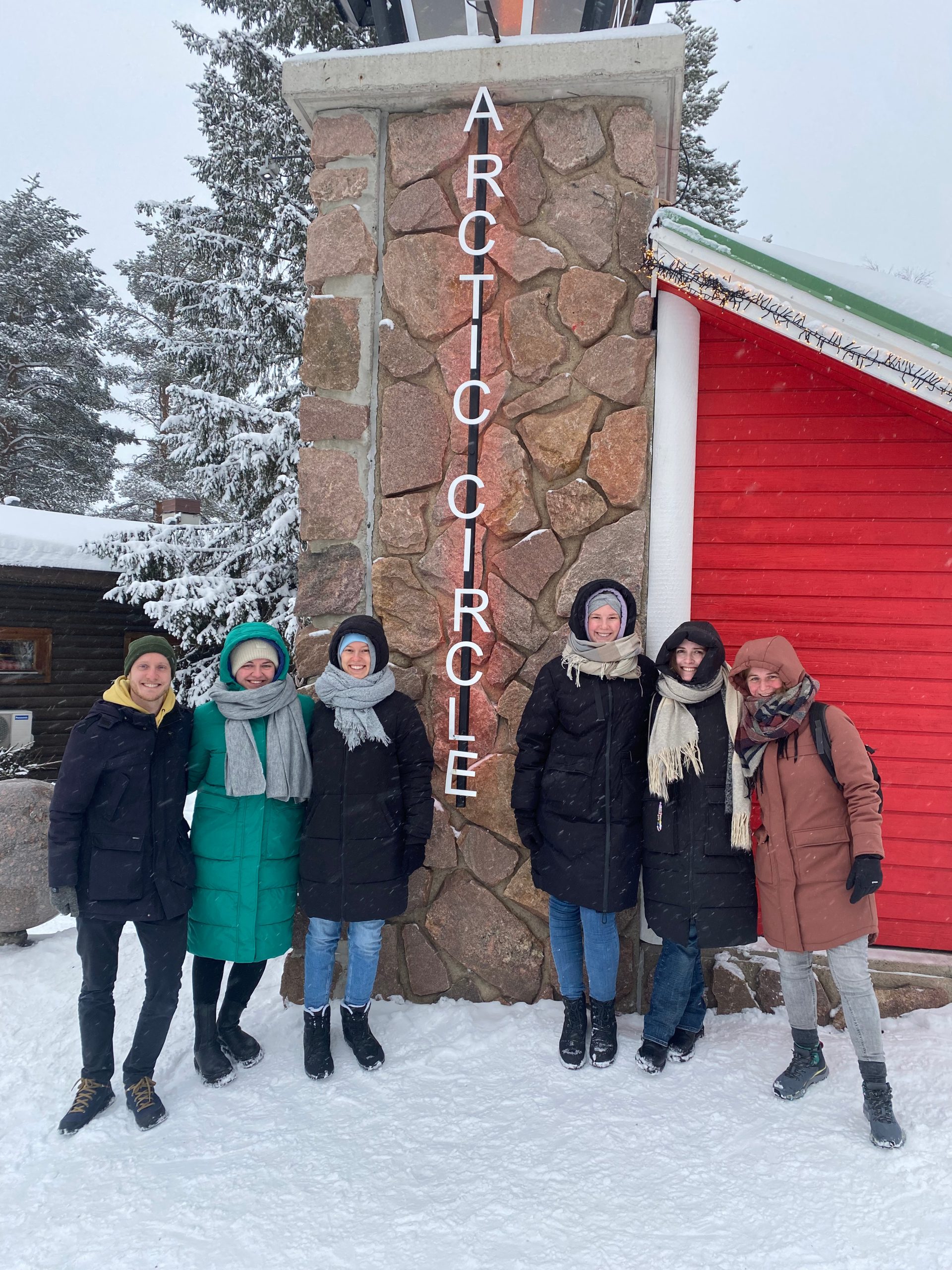
“I did my exchange semester at Metropolia Business School in 2023. I was sure that I wanted to go to a Nordic country and I had the choice between universities in Finland and in Sweden. I had been in Finland once for one week for an exchange from school. In the end it was easy to choose Helsinki as it is a bigger city and there are a lot of things going on. It was clear that I wanted to choose Metropolia and luckily it worked out.
I really liked my studies at Metropolia. I felt that everything was so structured from the beginning on and I had no questions. The Finnish course was my favorite. I tried to learn some Finnish word before arriving but that didn’t go so well so it was nice to learn the language. The course was also introducing us to the Finnish culture. Investment Portfolio Management was my second favorite course. We did a stock exchange game and I learned a lot in that course. I really liked that we had a lot of group works. There were no exam periods and it was not so stressful in the end of the semester. We had to work during the whole semester and had a lot of chances to get the points during the semester which took off a lot of pressure. I really liked the campus; everything was so modern and nice. There was a lot of spaces to work and sit with your friends. The student restaurant on campus is like a meeting point, you always met someone there. I also really liked the orientation days; they were very structured and we didn’t get lost in the first days.
During my free-time I did a lot of small things in Helsinki. I went to a lot of cafés with my friend and also visited different places, such as Lammassaari which was one of my favorites. We also went for a lot of walks and did some hikes in the national park Nuuksio and even barbecued there. I went a lot to sauna, Sompasauna was an amazing place. There was also a lot of student parties and they were so nice with the overalls. I also did some special trips; they were the highlight of my time there. We went to Lapland where we stayed in a cottage, went to Norway, swam in the Arctic Ocean, saw Northern lights and went skiing. That was an amazing adventure! In the Easter weekend we rented a cottage in Varkaus for a few days. This was also so nice, we did a lot of chilling, hanging out and walks there. One highlight was the Vappu (May 1st) weekend. The city was full of people and there were a lot of traditions we got to participate into. Tutors were great. We had always someone to talk to and it felt like everyone wanted us to meet other people and connect. It was nice to have a lot of events going on and it was possible to get to know people easily.
The Finnish culture was very similar to what I’m used to so I did not have major problems adjusting. At the beginning of the exchange, it was a big challenge to come to Finland alone. I was afraid that I wouldn’t find any people but we had such an intense time here together. It’s crazy that people that I met just five months ago are now so close to me. It was not a big problem to live in a different country with a different language. It just worked out somehow and all the fears turned to very good adventures. It has been good to have changes around you and doing the exchange gave me a lot of self-confidence. I got a lot of memories and friends, it’s hard to say goodbye to everyone. In the future I definitely want to do a Master’s degree and it would be nice to do the whole degree or a semester abroad. I would like to experience this kind of adventure again.”
Tips from Nina:
Be very open to everyone
Do as many things as possible: experience the country!
Don’t be afraid to make new contacts and talk to people, most of the time everyone is in the same boat
Sinua kiinnostavia artikkeleita muista blogeista
How to Navigate the Complex Landscape of Software and Technology Export Controls
14.6.2024
Masterminds - Maisteriainesta
The early 2020s were marked by turbulence, and the resulting economic sanctions have profoundly impacted exporting companies around the world. At the same time, groundbreaking advancements in digital infrastructure, such as generative AI and intelligent automation, have sparked debates about regulations governing software and technology export controls in leading nations. These discussions aim to protect competitive advantages and shield nations from emerging threats such as advanced cybercrime and electronic surveillance by foreign entities. As a result, export control restrictions are becoming increasingly complex. I have taken up this topic to help the company that I work for to make sense of these complex regulatory issues.
Challenge: Understanding the Regulatory Framework
Given the lack of maturity in multilateral processes and national regulations, companies in the software and technology sectors must proactively prepare for new restrictions and controls. Non-compliance with foreign trade laws can lead to legal, financial, and reputational risks. Moreover, macroeconomic trends, including the global economic shift and rising protectionism, will continue to impact organizations involved in export activities. Ignoring exports, that are intangible in nature, is no longer an option. What the technology industry should have learned from the unprecedented economic sanctions of 2022 and the uncertainties surrounding global treaties is that proactive trade compliance is essential.
Master´s Thesis Offers an Approach
My Master’s thesis offers a thorough review of existing knowledge on software technology export controls, regulatory frameworks, and best practices in both the United States (US) and the European Union (EU). This information has been synthesized into a conceptual framework to help co-create an export compliance framework tailored to software offerings. The goal is to mitigate the risk of non-compliance within the sponsor organization and to clarify the roles and responsibilities of stakeholders in the export compliance process. This process involves business conduct due diligence and adherence to export control regulations, which typically cover four main categories: product controls, end-user controls, export destination controls and controls on the actual end-use.
The Wassenaar Arrangement serves as the umbrella for export control regulations. It is a multilateral, non-binding international forum that facilitates the exchange of views and information on international trade in conventional arms and dual-use goods and technologies. The EU and the US have integrated the Wassenaar Arrangement control lists into their legislative frameworks and operational practices. The US has more comprehensive legislation regarding software product-related controls, while the EU has delegated most software-specific regulations to its member states.
Key Considerations in Software Technology
When it comes to software technology classification, important aspects include encryption features and the functionality of software embedded in dual-use classified end products. The US also monitors the re-export of US-made technology in exports outside its borders. Therefore, all software product development should consider both US and EU legislation when working in international markets. A common element across the Wassenaar Arrangement, the US, and the EU concerning software and technology is the inclusion of information security within their respective national regulations.
Solution: A Tool for Export Compliance
Drawing from the information security domain, a tool for further content analysis was selected; the People, Process, and Technology framework introduced by Information Security and Privacy expert Bruce Schneier in 1999. This framework became a foundational concept in cybersecurity, emphasizing that when one element changes, the other two must also adapt to maintain a balanced and effective response to change. Schneier (2013) stressed that security should not solely rely on technology but should also incorporate people and processes into a comprehensive security system. The same principle applies to the export compliance landscape.
To prevent confusion regarding Technology terminology in export control regulations, the Technology element was modified in the thesis to represent the actual end product, transforming the framework into the People, Process, and Product (PPP) matrix. During the co-creation process with stakeholders, the PPP elements were evaluated through the four categories of export control. Identified findings and related regulatory aspects were consolidated into a matrix, with each cell color-coded to identify the responsible entity. This matrix was designed as a tool to assist in risk mitigation within the export compliance process for software offerings at the sponsor organization. It aims to verify and monitor software exports and clarify the roles and responsibilities of different stakeholders.
Preparing for the Future
To thrive, businesses must accelerate innovation, enhance risk management, and meet increasingly demanding expectations. Effectively designing and managing their people, processes, and product controls during times of change can provide the necessary insight and understanding to achieve these goals. Consequently, companies engaged in the software and technology business should proactively prepare to adopt new restrictions and controls as they are introduced. By doing so, they can navigate the complex landscape of export controls and ensure compliance in an ever-evolving global market.
About the author
Aino Herranen is a graduate of Master´s degree program in Business Informatics. Aino has a keen interest in technologies and export compliance, and has selected this area for doing her Master´s thesis.
References:
Herranen, Aino. 2024. Building an Export Compliance Framework: Intangible Technology Transfer – Software offerings. Metropolia University of Applied Sciences. Master’s Thesis.
https://www.theseus.fi/handle/10024/856483
Schneier, Bruce. 2013. "People, Process, and Technology". Blog. Pulished 30/01/2013.
https://www.schneier.com/blog/archives/2013/01/people_process.html
This document benefited from the use of OpenAI's ChatGPT for grammar and style checks.
Will commercial drones occupy our urban sky?
14.1.2021
Masterminds - Maisteriainesta
What are drones? And how can they be used now and in the future. By using drones the border could be monitored automatically, post packages could be delivered to recipients using a straight line distance route, cities and fire departments could pre-install drones in every neighborhood to guide their brigades and monitor the situation. Furthermore, drones will be doing many different jobs soon.
From manual processes to new technology
It is year 2020, and we are facing a global pandemic. When entering to public spaces, we should wear a face mask and, if only possible, reduce our social contacts to a minimum. Whether we like it or not, we are driven to utilize various technology – do online shopping for groceries; order ready-made meals from local restaurants; exercise in front of a PC screen; book an e-doctor appointment, and constantly monitor our smart phone for COVID exposure alerts.
Digitalization is already enabling many things to be consumed without leaving our home. But the back-office processes enabling these B2C services are getting busier all the time. In many cases, these processes still require manual steps – for example, in the form of collect and deliver, or collect and grab yourself. Collectors fill in food baskets in grocery stores, and then couriers drive these packages up to the door of our house where they drop them off, often without visible contacts. What if there would be a way to streamline these manual processes with a new technology even further? With drones, maybe?
What are drones?
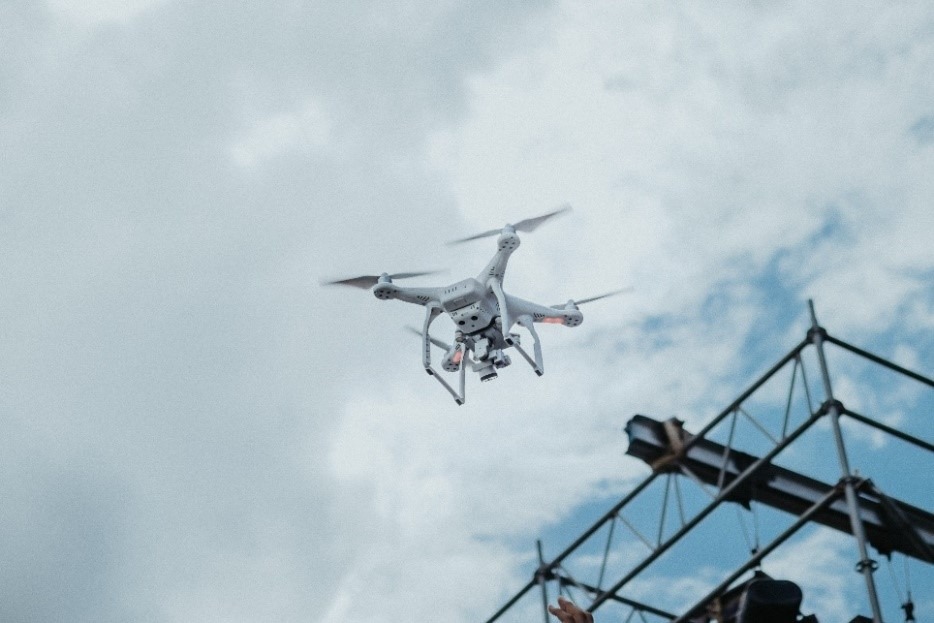
Drone, or an Unmanned Aerial Vehicle, is an aircraft without a human pilot inside. It can be remotely piloted or totally autonomous, and be equipped with various other gadgets needed to perform the mission it is designed for. The most common gadget is still being a high-resolution camera known from those leisure drones available from various electronic stores. But that’s not all.
There are also commercial drones which are equipped to complete different kinds of use cases and tasks, from lifting and delivery to very specific scenarios such as possibly acting as a mobile cellular network base station in emergency areas. The technology and regulation are starting to mature for long distance BVLOS (Beyond the Visible Line of Sight) operations, which will enable significantly more use cases for drones.
How can drones be used?
But the future perspective for using drones could be even wider, if we stretch from the private sector services into the needs of the public sector. There are plenty of actors in governmental and municipality sector which might benefit from using drones. For example
customs and border forces could monitor the border automatically or from the operations centers, without sending the troops to patrol on the border zone
postal offices could deliver packages to recipients using a straight line distance route, without worrying about traffic jams
cities and fire departments could pre-install drones in every neighborhood to guide their brigades and monitor the situation already on their way to the emergency site.
There are also multiple other opportunities.
Drone software for public sector use
My Master’s thesis focused on conducting a market analysis of the drone industry in the European public sector context. It was done to support an initiative to develop a drone software for public sector use. Based on the findings, it seems that the business environment is becoming more favorable for emerging technologies and completing those tasks that previously seemed fantastic and far-away, but recently have become vital for the Western society to keep running during the pandemic times in order to support our everyday lives.
This change is helped by European wide drone regulation being developed by EU in order to support these new possibilities, as well as the population ageing, and urbanization driving more people to the cities, which brings more pressure on services and the customers closer to these services to be consumed.
At the same time, based on CompTIA research from the US market, drone operators are beginning to purchase the drone management-as-a-service (over building the solution from different components by themselves), which might reduce the time-to-market in Europe. This is what we can see as the firm signs of development in this industry, and these signs are only accelerating.
Now and in the future
Now after completing my studies, it is nice to realize that are we going to see drones doing different job already soon – delivering our medicine form pharmacies, police monitoring mass events and crowd behavior, and central kitchens delivering food to the elderly or handicapped to their homes? There are lots of possibilities, but this time is right for the emerging technologies. So let’s to look into the sky, unless it is something more hidden from our sight.
About the author
[caption id="attachment_3865" align="alignleft" width="273"] Samuli Kipponen[/caption]
Samuli Kipponen is a fresh MBA graduate from Master´s Programme in Business Informatics at Metropolia UAS. Samuli completed his Master´s thesis project for the Innovation Hub at Metropolia UAS focusing on Smart Mobility that started an initiative to develop a drone software for public sector use. The outcome of Samuli´s study is the market analysis for applying for funding for the drone software initiative.
References
Kipponen, S. (2020). Defining the Market Potential of Industry Specific Drone
Software. [PDF] Master´s thesis. Metropolia University of Applied Sciences.
CompTIA 2019. The Drone Market: Insights from Customers and Providers. [Online]
(Accessed 10th of November 2020)
European Commission 2020a. Unmanned Aircraft. [Online]
(Accessed 7th of October 2020)
Ericsson 2020. Ericsson mobile network-on-a-drone PoC could transform emergency response. [Online] (Accessed 13th of January 2021)
Alumni Career Paths – Joanna Szybińska: from Erasmus exchange in Finland to business-owner in Poland

12.8.2015
Vuoropuheluja
We asked alumni of different fields to share their experiences in working life after graduation. They all have in common a study period at Helsinki Metropolia University of Applied Sciences (or the previous institutions). This is Joanna Szybińska's story.
1.What is your background and how you’re linked to Finland?
Journalism - I spent this fabulous year in Finland thanks to Erasmus program. In this time I learned more that during 4 other years at Polish University. (Sorry Warsaw!)
2. What is your current profession and where do you work?
I'm the co-owner in private company which I founded with Michał (my husband actually) We are a producer of organic food, in my company I need to do many various things - from idea, to selling and negotiate prices.
3. How did you get there? How was your career path?
Firstly, during my studies I managed one of the biggest coffee shops in Warsaw. This experience - which I still use every day - helped me do get some gastronomy project for Italians. They wanted me to open and manage Italian (Sicilian) restaurant in the city center in Warsaw. But (happily) they were undecided about each location I suggested for them (basically today in this places are the most know restaurants in Warsaw. After 6 months I quit this job and decided to sell Michał's mom's book about herbs. I worked at home, cooperating with herbal stores and sell on Polish alternative to e-bay.
In this time, we decided to prepare first herbal blend and sell it with books. So after 3 months we had our first 'tea' product. In this time also Michał finished his adventure with tv advertising company (his story is also very interesting, because he get this job only thank's to our Finnish adventure. Our courses in Stadia and everything we learned in this time - and he tells almost everyday that those Erasmus time saved his life! And it's so true.
So! Now my (our) company is 4,5 years old, we attend to different market exhibitions like EXPO etc. and sell around the country. Have quite a lot of products.
4. How do you find labour markets at the moment based on your experiences?
Luckily I was saved from long term searching job. My first big job - in coffee shop - I found very quickly, head-hunter found me for Italians and then own company. But I can say, that every every day, I need all my experiences, which I get before. All my gastronomy knowledge (we still need all hygienic etc. law regulations), managing people, accountant staff and experience from Finland - presentations, working with different people, Photoshop courses - which I use everyday (!) for advertising my products and finally - next week we are starting with short videos - which we will be able to edit only thank's to Stadia time.
5. Based on your own experiences, what have been the most important lessons you’ve learned so far?
It's a very hard question, but I think that it would be 'not to be too nice to people'. I hate that, but in my business I have only bad experiences about that. And it's not about being a woman - because Michał has the same problem. You just need to be assertive and not too nice - other way workers are going to lose this 'good distance', contractors want bigger discounts etc.
I learned that my 'being nice for everybody' policy is not working anymore! I need to fight with myself everyday - to remember about that and on the other hand - not to lose this 'being nice' part of myself - which is very important to me and help me to be "ME". Now it's reserved for family and closest friends :)
6. If you think your current field of trade, what is/are the hardest for women to tackle? Or does gender have any meaning at all?
I'm sure that gender has a huge meaning here. I hadn't many problems - I noticed that in business I have got many male attributes and even it's easier to me to talk with guys. But my experience is also that, that women are unprofessional - I need to say... Men as well, but it's very hard to find (maybe that's only my market/country/contractors) well prepared woman. Usually they (girls) make a lot of mistakes (p. ex. prices), are unprepared about information about their companies, products etc. Also it was hard to find female workers to our office - to find them professional, focused, full of energy and enthusiasm. Sorry all woman around the world, but my experiences are that they think they smile nice and everything is done. But it doesn't work that way.
But - to make this story a little bit sweeter… I'm very proud to be a woman in business! I am able to make deals with guys but on the other hand - when it's needed - for example during some huge usefulness controls from government etc. I let myself to be 'a woman' and don't know some small things.
7. How do you want to encourage those willing to have your position at the moment? How can they get there, too?
Everyone can get wherever he wants! The most important thing is - to do what you love. To take 10 favorite things like 'working with people/working with my husband (in my situation) /design/selling/traveling etc. And find your dreamed job. If it's 7/10 noted points - it's quite close to happiness. Don't accept bullshit in your life. If something makes you angry all the time - change that. Other way - you won't be happy - and only happy people can make good things.
Please find more about the company at Joanna’s website in Polish or basic version in English in English




Kommentit
Ei kommentteja